Eurasier Training: Build Clear, Useful Habits
Make Eurasier training practical with reward choices, short exercises, socialization plans, cooperative handling and clear ways to judge progress.
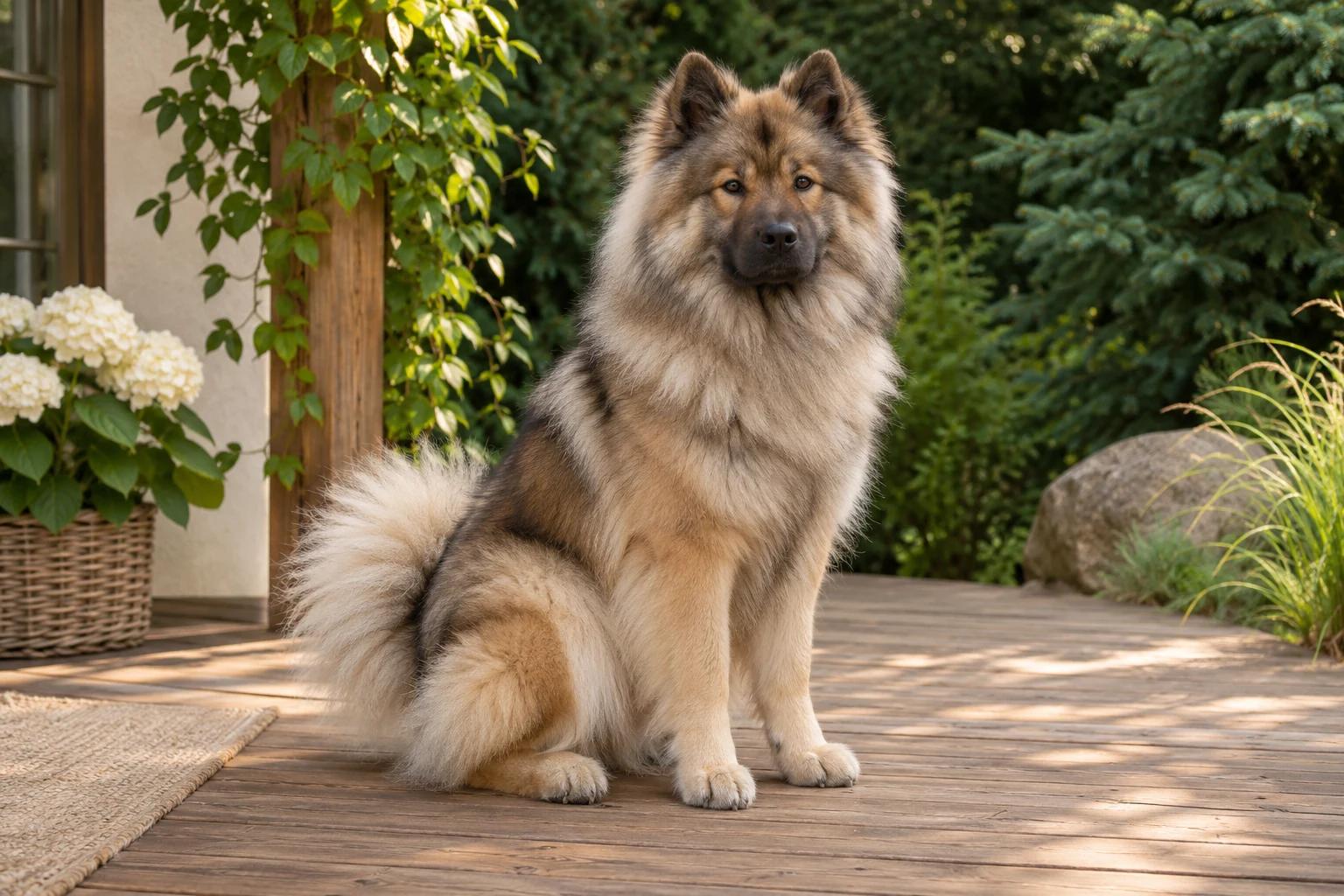
Eurasier training works best as a conversation you can make clear: one small task, an understandable signal and a reward the dog values in that moment. If a lesson stalls, examine those pieces before deciding the dog is stubborn. You may be asking for too much, practicing in a difficult setting or offering something less interesting than the surroundings. A useful plan gives you ways to change the lesson, not merely repeat it more insistently.
The Eurasier profile provides the breed context. The exercises below are practical options for everyday life, not a fixed program or a timetable every dog must meet.
Eurasier training: start with a shared language
The FCI standard explicitly calls for understanding, consistent training and close household contact. The AKC's description likewise places family connection at the center of the breed's temperament. Translate that into brief, repeatable interactions during your existing routine rather than saving all learning for a formal class.
First, choose a marker: a short word or click that tells the dog exactly which action earned the reward. Introduce it in an easy setting by pairing it with something the dog enjoys. Keep the timing simple. Mark the action you wanted, then deliver the reward, rather than waiting while the dog tries several unrelated behaviors.
Choose one cue for each task and agree on it with other caregivers. If one person says down for lying down and another uses it for getting off furniture, change the human vocabulary. Consistency is not about speaking sternly. It is about making the same information mean the same thing.
Find out what counts as a reward today
Food is a practical option for many lessons, but observation matters. Compare small rewards the dog already eats comfortably, and account for training food within its overall feeding plan. Ask your veterinarian about individual dietary questions rather than adding a large menu of treats by trial and error.
Access to an activity can also be useful. On a walk, returning attention to you might lead to permission to investigate an interesting patch of ground. During play, a brief pause can be followed by restarting the game. The reward should fit the situation and remain something you can offer safely.
If the dog declines a reward it normally enjoys, do not automatically reach for something richer. Look at the setting, distance from distractions and length of the session. A quieter place or an easier task may be the more useful adjustment. Sudden or persistent changes in appetite or behavior are questions for a veterinarian.
Three exercises that travel into daily life
Check in with the handler
Begin in a quiet room. When the dog turns toward you, mark and reward that moment. Add its name as a cue once the response is becoming familiar. Practice with another household adult and then in an easy outdoor location, rather than assuming the living-room version is already universal.
You are building a way to reconnect before giving another instruction. Avoid calling the name repeatedly while the dog continues watching something difficult. Move to a more manageable situation and practice there. A name should provide useful information, not become background noise.
Move to a resting place
Put a mat where the dog can see household activity without occupying a passage. Reward stepping onto it, then gradually build a comfortable pause. Add your own small movements before attempting a full meal or a visitor's arrival. Keep an easy release cue so leaving the place is also understandable.
For a companion-oriented Eurasier, this can create a way to remain near people without participating in every movement. It is not a requirement to stay motionless for long periods. Practice in short stretches and provide ordinary rest outside lessons too.
Walk away with you
Teach a simple turn in a spacious, quiet area. Say the cue, turn smoothly and reward following. Later, practice when a mild distraction is present at a workable distance. This gives you an option when a narrow route becomes crowded or an encounter is not useful today.
The skill is about movement with the handler, not dragging the dog past something worrying. Change the route if needed. Equipment must fit securely, and practical help from a qualified reward-based trainer is worthwhile if handling feels uncertain.
Socialization without a greeting quota
Eurasier socialization should prepare the dog for ordinary environments without making every experience a close encounter. List the situations your routine includes: a building entrance, vehicles, a quiet shopping street, visitors carrying bags or a caregiver wearing outdoor gear. Introduce manageable versions and watch how the dog responds.
A session might consist of observing people from a distance and then leaving. Another might involve walking over an unfamiliar surface in a quiet location. Success is not measured by how many strangers touched the dog. Ask your veterinarian about age-appropriate exposure and relevant precautions for a puppy.
Reserve with unfamiliar people does not need to be corrected into enthusiastic sociability. Teach practical ways to share space, and let the dog decline contact. If fear or reactivity is interfering with ordinary life, get qualified support rather than increasing the intensity of introductions on your own.
Handling belongs in the lesson plan
When people ask how to train an Eurasier, they often picture sits and recalls. Include the tasks required for its coat and routine care as well. Show a grooming tool, reward a comfortable response and begin with a brief touch rather than attempting an entire session immediately.
Practice on a stable, comfortable surface and keep the arrangement predictable. You might teach standing in one place while a familiar person looks briefly at a paw. End before the exercise becomes a struggle. Pain, skin concerns or new sensitivity belong with a veterinarian, not a longer obedience lesson.
For grooming technique, ask an experienced professional to demonstrate on the individual dog. Knowing what a tool is meant to do helps you make handling practice specific rather than simply expecting the dog to tolerate whatever happens.
Measure usefulness, not performance
Eurasier obedience is progressing when familiar tasks work in more of your real routine. Record the location, distraction and response rather than just writing good or bad. A check-in beside the front door may be established while the same cue outside a busy cafe remains too difficult.
Keep the breed quiz available when reviewing what your household can support. The separate Eurasier Wolf-Chow history article covers the name's background; ancestry is not a shortcut to an individual training plan. Build from the dog's present skills and the next small, useful step.
FAQ
How long should a Eurasier training session last?
Keep Eurasier sessions short enough for the dog to remain engaged and finish with an achievable task. There is no single duration that suits every age, exercise or environment. Several brief opportunities can fit naturally into the day.
Is a Eurasier refusing because it is stubborn?
A stalled response does not establish stubbornness. Check whether the Eurasier understands the task, values the reward and can manage the distractions. Simplify the exercise before repeating the cue more forcefully.
Should strangers give my Eurasier treats to encourage contact?
Do not use treats to draw a reluctant Eurasier into touching distance. Keep introductions comfortable and allow observation without contact. Ask a qualified reward-based professional for a tailored plan if unfamiliar people cause ongoing difficulty.
Sources behind this article
Article source checked: November 15, 2026. Source checked 2026-11-15
Keep reading

Affenpinscher Training: Build Useful Everyday Habits
Read article →