Danish Swedish Farmdog Training for Daily Life
Build Danish Swedish Farmdog training around attention, rewards, controlled greetings, useful outdoor skills, and a realistic practice plan.
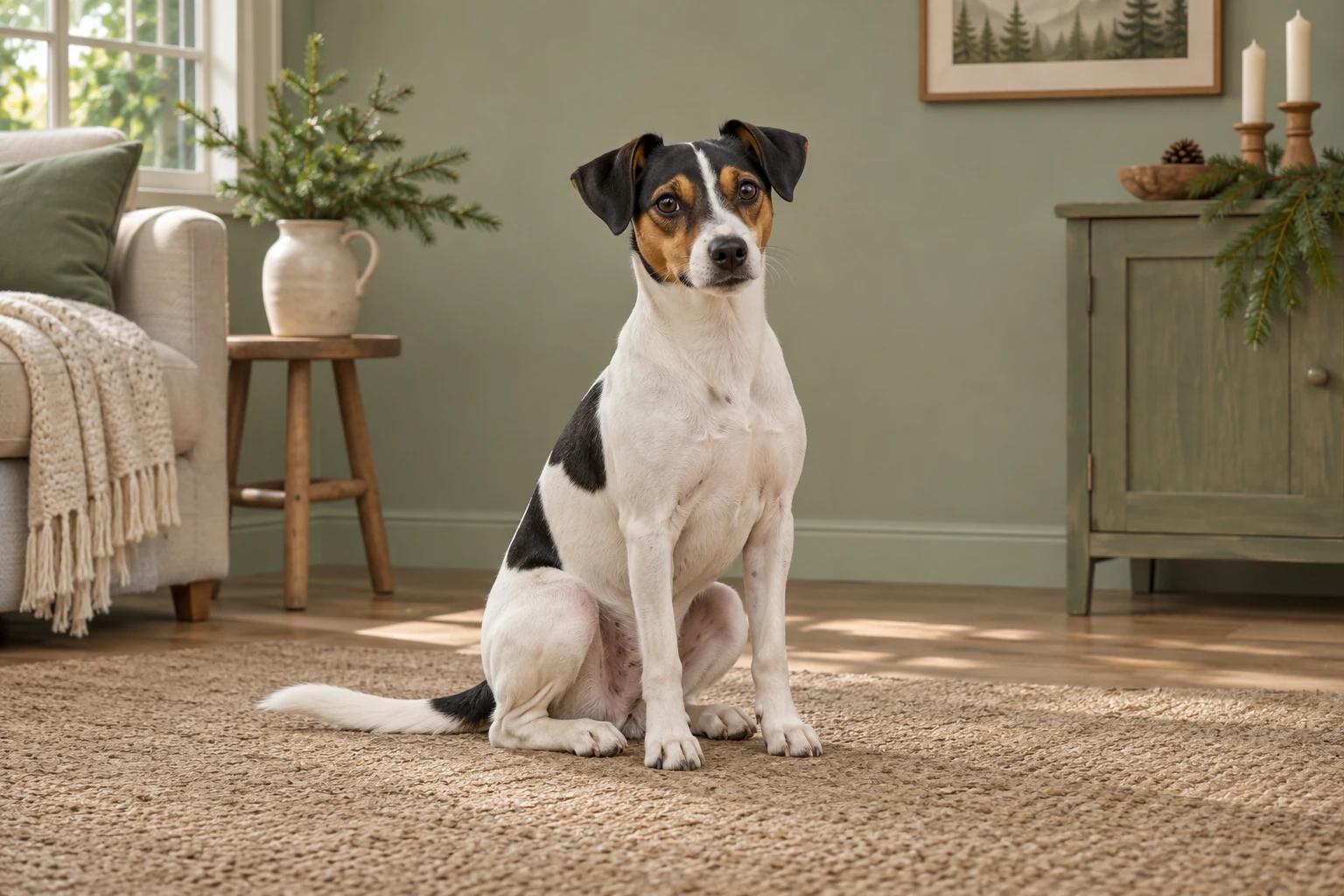
Danish Swedish Farmdog training works best when enthusiasm has a clear direction. A bright, active small dog can learn useful routines, but an engaging personality is not a substitute for practice. Start with the skills that make your real day easier: attention near the door, comfortable handling, walking with you, and finishing an activity without immediately beginning another.
Use the Danish-Swedish Farmdog profile to understand the broader commitment. The practical aim is a cooperative companion, not a dog that performs a long list of tricks only when the room is quiet.
Danish Swedish Farmdog training: choose the first priorities
The American Kennel Club breed overview describes a companion that enjoys work and challenges. That is a reason to make learning part of everyday life, not to rush through skills. Choose two situations that currently matter most and define a visible result for each.
For example, “better manners” is vague. “Keeps four feet down while I attach the lead” gives you something you can observe. “Listens outdoors” is similarly broad; “turns toward me on a quiet path when I say the familiar cue” is a workable starting point. Clear goals make it easier to notice progress and adjust difficulty.
Keep a simple practice note. Record the location, distraction, and response, then decide what to repeat next time. If the kitchen version succeeds but the doorway version does not, the information is useful: you have found a change in context that needs smaller steps.
Rewards should make sense to this dog
The AKC guide to training rewards emphasizes choosing something the dog values and delivering it promptly, where the desired behavior is happening. For a Farmdog, observe whether food, a short game, or access to an interesting activity is useful in that moment. Do not assume your preferred reward is the dog's preferred reward.
Set yourself up before asking for the behavior. Have the reward available, decide what counts as success, and keep the task manageable. If you spend the successful moment searching a pocket, your timing becomes less clear. An easy practice setup can improve the human part of the exercise as much as the canine part.
Keep food rewards within the dog's overall feeding plan. Ask your veterinarian about diet or health concerns rather than adjusting portions from a generic training article. The point is effective communication, not an unlimited stream of extras.
Teach attention where you can use it
For anyone asking how to train a Danish Swedish Farmdog, attention is a sensible foundation. Begin somewhere the dog can notice you without competing with every passing animal or person. Reward a response to its name or another chosen attention cue, then finish while the exercise is still clear.
Think of locations as separate practice opportunities. The kitchen, front path, and quiet end of the park differ in sound, scent, and movement. A good indoor response tells you where to start; it does not prove the skill is ready for the most distracting place you visit.
In a busier location, increase distance from the distraction before asking again. Keep the dog securely managed while learning. A responsive breed description cannot replace a lead, a sound fence, or a careful decision about where off-lead access is appropriate.
Greetings are a training project of their own
Danish Swedish Farmdog obedience becomes useful when it changes ordinary interactions. If your goal is a composed greeting, arrange a practice visitor who knows the plan. Avoid beginning with a roomful of guests, children carrying food, and an open exterior door.
Choose where the dog will wait and who will handle the entrance. A gate can separate the management task from the learning task. Once the arrival is less hectic, you can offer a brief greeting that matches the dog's comfort and current skills.
Social learning is broader than greeting everyone. Danish Swedish Farmdog socialization should include calm observation, ordinary surfaces and sounds, handling, and being near activity without having to join it. For puppies, coordinate suitable exposure with your veterinarian's health guidance. For adults, begin with their known experience and leave room to decline contact.
Outdoor interest needs a sensible boundary
The Danish-Swedish Farmdog Club of America describes a versatile dog that participates in several sports and can be persistent about pursuing small creatures. A practical training plan therefore includes both enjoyable outlets and management around things the dog wants to investigate.
Practice returning to you in a secure, low-distraction space before expecting the same result near wildlife. Keep a return worthwhile, and do not use difficult situations as repeated tests. When the dog cannot respond, change the setup rather than treating louder repetition as a new lesson.
For walks, separate exploration from the sections where you need close cooperation. You might use a wider quiet area for sniffing, then a simple routine for a narrow entrance. This makes the purpose of each part of the outing clearer and avoids asking for continuous formal walking when your actual goal is a pleasant shared walk.
Give practice a beginning and an end
A Farmdog that enjoys participation may invite another game as soon as one finishes. Make room for quiet transitions instead of keeping stimulation running throughout the evening. Put away the training tools, offer the familiar resting arrangement, and let a pause remain a pause.
A resting place is more useful when it is comfortable and not constantly interrupted. Practice nearby calm activities before expecting the dog to stay settled through a gathering. If the arrangement is too difficult, reduce the challenge rather than insisting on a long performance.
Consider a reward-based class if you want help with timing, distractions, or a suitable activity. Ask how the instructor adapts exercises for individual dogs and handles stress. For sudden behavioral changes or suspected discomfort, consult a veterinarian before treating the problem solely as a training gap.
Keep the plan connected to your household
Review progress by asking what became easier this week: attaching equipment, passing through the door, or resting while you prepare food. These small outcomes are a better measure than how many commands you can list. Share the same cues and expectations with everyone who handles the dog.
The breed quiz helps you consider whether daily learning fits your schedule. For background on the breed rather than a training prescription, read the Farmdog's wider job list. A useful routine is one you can carry out on a normal weekday, with enough flexibility to keep learning enjoyable.
FAQ
Are Danish-Swedish Farmdogs easy to train?
The breed is generally described as responsive and interested in challenges, but useful behavior still needs clear teaching and practice. Judge progress by the individual's responses in real situations rather than expecting effortless obedience.
What should I teach first?
Choose attention, a practical door routine, and comfortable everyday handling before building a large trick repertoire. Select the priorities that reduce difficulty in your actual home, then practice them in manageable settings.
Should I repeat a cue until my Farmdog responds?
Repeated unsuccessful cues do not resolve an overly difficult setup. Reduce distractions or increase your distance from them, check that the dog understands the task, and make the next attempt easier. A qualified trainer can help identify what is unclear.
Does training replace exercise?
No. Learning, physical activity, company, and rest serve different purposes. Build a balanced routine suited to the dog's age and circumstances rather than expecting one busy session to supply everything.
Sources behind this article
- American Kennel Club: Danish-Swedish Farmdog ↗
- American Kennel Club: Training Your Dog With Rewards ↗
- Danish-Swedish Farmdog Club of America ↗
Article source checked: November 15, 2026. Source checked 2026-11-15
Keep reading

Affenpinscher Training: Build Useful Everyday Habits
Read article →