Central Asian Shepherd Dog Training: Practical Skills
Build Central Asian Shepherd Dog training around cooperative handling, clear cues, walking skills and planned visitor routines.
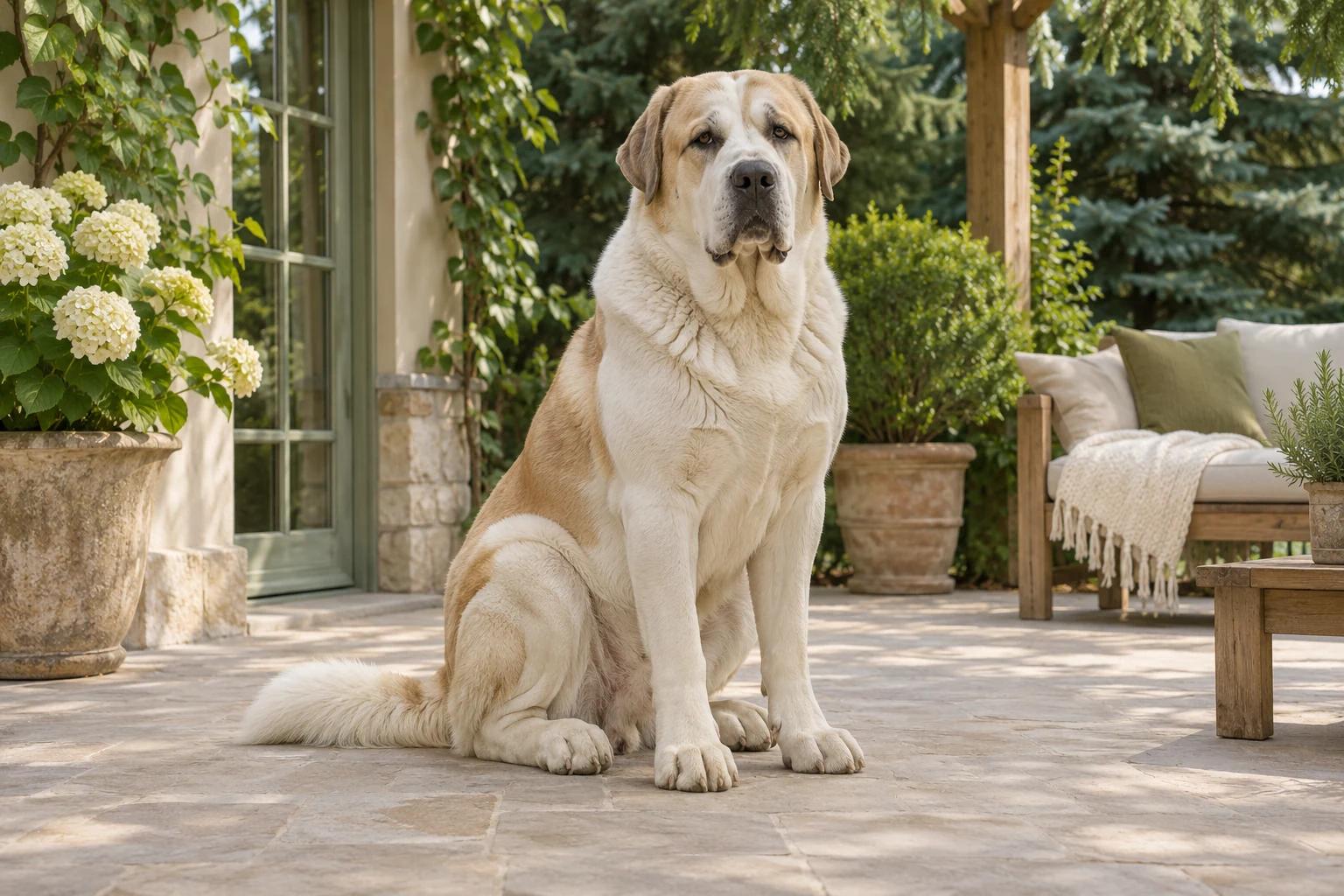
Explore the
Central Asian Shepherd Dog
Background, care, and everyday considerations.
View breed profile →Central Asian Shepherd Dog training should prioritise cooperative handling and predictable movement through everyday situations. A dog of this size needs more than an impressive sit in the kitchen. Being able to move away from an entrance, walk with a handler and settle in a designated place can make ordinary household tasks much easier to organise.
The Central Asian Shepherd Dog profile describes an independent, watchful breed with a relatively responsive learning profile. Independence and learning ability are not opposites. Your job is to make useful responses clear, worthwhile and familiar before you need them in a difficult situation.
Central Asian Shepherd Dog training starts away from the problem
AKC identifies independence and territorial instinct in the breed description. That makes it sensible to practise household skills before a visitor is standing at the door, rather than relying on an unfamiliar cue at the busiest moment. AKC breed reference.
Choose a quiet place for the first lesson. If the goal is moving to a resting area, begin with that movement alone. Do not add a doorbell, a stranger and a closing barrier to the first attempt. You need to know which part the dog understands before combining the pieces.
Agree on a clear destination. “Go over there” changes with your pointing hand; a particular mat or comfortable room is easier for the household to identify. Place it somewhere that does not block the only route between the kitchen and the exit. Practical layout is part of the lesson.
Work through the human actions too. Can someone reach the reward, close the intended door and move away without crowding the dog? Rearranging the space beforehand is more useful than discovering those difficulties while everyone is trying to leave for work.
Find rewards the dog values in that moment
VCA explains that rewards differ between dogs and situations, and that timing matters: the consequence should follow the response you want to encourage. Use that principle to examine the lesson rather than deciding that an independent dog simply refuses to learn. VCA reinforcement guide.
A reward you selected may not be interesting in the current setting. If the dog is absorbed by activity outside a window, move the lesson to a quieter room. Make the response easier to recognise and reward. Do not respond by raising your voice or prolonging the session until someone gives in.
When people ask how to train a Central Asian Shepherd Dog, the most useful answer often begins with a smaller question: what exact action do you want next? Turning toward the handler is one action. Walking across a room is another. Waiting while a door moves is another. Teach them clearly before asking for the entire sequence.
Keep brief notes on what worked. “Walked to the mat with the hallway empty” is more actionable than “good training day.” Next time, you can change one feature rather than accidentally making every part harder.
Practise walking mechanics where there is room
A powerful dog and a narrow pavement are a poor setting for a first lesson in walking together. Begin in a secure area with enough space to turn and pause. Use well-fitted equipment and get hands-on help selecting and using it if needed. Do not make physical strength your only control plan.
Choose a simple route with a few changes of direction and rewarding pauses. Notice where you deliver the reward so the dog is not repeatedly crossing in front of your feet to collect it. Keep the path uncluttered and the session manageable.
Central Asian Shepherd Dog obedience should include a comfortable way to leave a situation. Practise turning with you when nothing exciting is happening, then gradually use the skill in more varied places. It is easier to make a familiar turn than to invent a retreat while another dog approaches through a confined passage.
This is not a reason to test the dog near triggers. Choose routes with room, notice activity early and increase distance when necessary. A qualified reward-based trainer familiar with large guardian breeds can help build a plan suited to your handling ability and environment.
Separate visitor management from greeting lessons
Decide what will happen when someone arrives before deciding whether the dog will meet them. A planned, comfortable separation area can let a repair visit or delivery happen without a greeting at all. Practise using that area during ordinary quiet periods so it is not introduced only when strangers appear.
Tell household members who handles the dog and who opens the entrance. Visitors should not enter through a side gate or open an internal barrier because they assume the dog has already been secured. Clear instructions reduce conflicting actions at a busy doorway.
If introductions are appropriate, plan them with professional help where necessary. Do not ask a guest to reach toward, crowd or challenge the dog as a test. The practical goal is a manageable visit, not proof that every person can immediately make physical contact.
Socialization is broader than direct interaction
Central Asian Shepherd Dog socialization can include calm exposure to ordinary sights and sounds without close contact. The UKC standard emphasises patient training and substantial socialization for a breed described as reserved with unfamiliar people and dogs. UKC breed standard.
For a puppy, discuss suitable outings with your veterinarian. Work with an instructor who allows distance and adjusts the environment rather than insisting on crowded greetings. For an adult, collect the current caregiver's history and build from situations already handled comfortably.
Include mundane experiences: waiting near a stationary vehicle, walking through an empty reception area with permission, or hearing a household appliance from another room. These are different lessons from meeting a person. Keep them distinct enough to see which element is easy and which needs more support.
Measure progress by usable routines
Review whether everyday tasks have become clearer. Can the dog move to its resting area while you carry a bag? Can you attach walking equipment without being rushed? Can another familiar adult use the same cue successfully? These outcomes matter more than adding another trick to the list.
The breed quiz can help prospective owners weigh the time and organisation involved. Our existing article on Central Asian Shepherd livestock-guardian readiness addresses a separate working question; household manners do not establish readiness for livestock work.
FAQs
What should Central Asian Shepherd training prioritise?
Prioritise cooperative handling, walking together, moving to a designated place and predictable entrance routines. Teach those skills in quiet conditions before adding distractions or visitors.
Does independence mean this breed cannot learn obedience?
No. Independence and learning ability describe different things. Clear tasks, suitable rewards and achievable practice are more useful than turning a lesson into a contest of wills.
Should every visitor greet the dog?
No. Some visits are best managed with comfortable, secure separation. Decide how the arrival will work before considering an introduction, and obtain professional guidance when needed.
Is training at home enough for public situations?
A response learned at home still needs careful practice in other suitable settings. Increase difficulty gradually and retain secure equipment rather than testing reliability by removing safeguards.
Sources behind this article
- AKC: Central Asian Shepherd Dog ↗
- UKC: Central Asian Shepherd Dog Standard ↗
- VCA: Using Reinforcement and Rewards to Train Your Pet ↗
Article source checked: November 15, 2026. Source checked 2026-11-15
Keep reading

Affenpinscher Training: Build Useful Everyday Habits
Read article →