Carolina Dog training: build a shared vocabulary
Approach Carolina Dog training through clear invitations, a simple touch skill and useful distinctions between learning, handling and social contact.
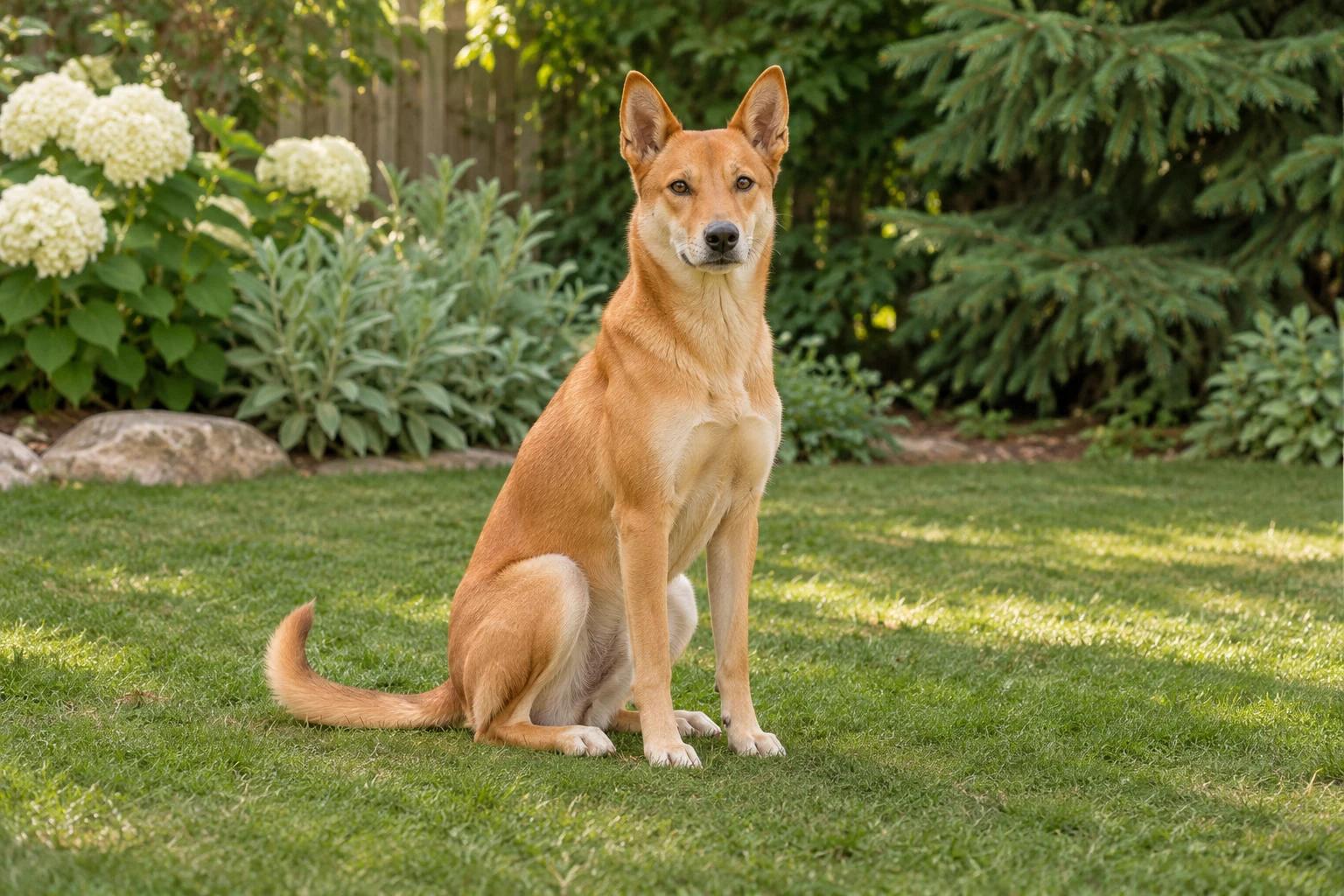
Carolina Dog training works best as a conversation you make clearer over time, not an attempt to defeat independence. Start with actions that have an obvious meaning to both of you. A small skill taught well can be more useful than a long list of words the dog has heard but does not understand.
The Carolina Dog profile places responsiveness to training in the middle of its reference scale. That is not a verdict on your individual dog. It is a reminder to attend to motivation, experience and the way you teach rather than expecting the breed name to do the work.
Carolina Dog training: distinguish an invitation from pressure
The United Kennel Club description notes that strangers should not expect enthusiastic physical contact. Keep that distinction in mind when choosing a training task. Learning to interact with a familiar handler is not the same as agreeing to be approached or handled by anyone.
For example, an offered hand can be a familiar training signal in one context and an unwelcome approach in another. You cannot assume the dog experiences those moments as equivalent. Be clear about who is teaching, what is being asked and whether the dog has actually learned that action.
If working near hands is uncomfortable for the individual, get qualified guidance before making it your first project. There is no obligation to begin with the exercise below. A suitable lesson is one the dog can participate in comfortably, not one selected because it looks simple on a screen.
Explore a small nose-targeting lesson
The American Kennel Club's nose-targeting guide describes teaching a dog to touch an offered palm with its nose. In a quiet setting, present the hand close by, mark voluntary contact and reward. Add a spoken cue only once the action is reliable, then expand the task gradually.
That brief sequence illustrates an important principle for anyone asking how to train a Carolina Dog: the action needs a clear definition. In this case, a nose touch is different from following the hand indefinitely, pawing at it or accepting a stroke. Decide what you mean before asking the dog to work it out.
Do not chase the dog's nose with your palm to manufacture a successful repetition. You want a response, not a collision. If the exercise becomes confusing, stop and have a reward-based trainer watch the setup. Their feedback can help you determine whether the task, timing or chosen context needs changing.
Give the skill a modest first purpose
An original practice goal might be inviting the dog to move a little to one side while you stand still. Keep it separate from any real-world situation where you urgently need movement. A lesson is easier to evaluate when success is not tangled up with a deadline.
Later, your trainer can help decide where that skill would be genuinely useful. Do not assume learning one cue makes difficult handling or a distressing encounter manageable. A familiar exercise is one part of an education, not a universal solution.
Build vocabulary without overloading the lesson
Carolina Dog obedience should involve words with distinct meanings. If one word sometimes means come closer, sometimes stop moving and sometimes accept handling, the resulting uncertainty is not evidence that the dog rejects instruction. The teaching itself may be unclear.
Choose a small set of useful requests and agree what each one means. You need not invent unusual terms. Familiar words are fine when the people using them apply them consistently. Avoid adding several synonyms before the original cue is understood.
It can help to describe each cue as a single sentence: “This means move toward this target,” rather than “This means behave.” That keeps expectations concrete. When an exercise fails, you can identify the missing action instead of repeating the entire request with greater urgency.
Keep socialization separate from compliance
Carolina Dog socialization should not become a campaign to obtain touches from unfamiliar people. A dog completing a cue near someone does not automatically want that person to reach toward it. The distinction matters especially when reserve is part of the individual picture.
Choose relevant experiences with a qualified professional's help when needed. The goal might be comfortable observation of ordinary activity, not direct participation. Preserve an easy way to end an outing rather than turning attendance into a test the dog must finish.
For puppies, consult your veterinarian about suitable opportunities and health precautions. For adults, consider previous experience and current comfort. Do not promise yourself that enough exposure will create a different personality. Learning can support practical life without changing every social preference.
Know when the problem is not another cue
Some difficulties are logistical. A poorly arranged space, an overbusy route or an appointment with no time for preparation may create a problem before training even begins. Teaching is valuable, but it does not excuse leaving every practical decision to the dog's response.
Other concerns need professional assessment. If behavior is escalating, threatening or associated with apparent discomfort, stop experimenting and seek appropriate help. A new cue is not a substitute for understanding the underlying concern, and a breed article cannot provide that assessment.
There is also ordinary mismatch between your goal and the current level of learning. Asking for a difficult response too soon can make both participants frustrated. Scale the task back with your instructor rather than deciding the relationship has become a battle of wills.
Choose progress you can recognize
A useful result is clearer communication, even when it looks unremarkable. Perhaps your dog now recognizes one request without you leaning over, repeating it or changing your hand position several times. That improvement can matter more than performing many actions in a staged sequence.
Let successful learning guide the next project. If you enjoy the process together, you can build a broader set of practical skills. If something consistently becomes awkward, change the teaching arrangement with help rather than persisting simply to prove a point about independence.
The breed match quiz can help prospective owners consider whether this style of patient participation appeals to them. For the separate physical topic, the fishhook-tail explanation describes carriage. Neither a distinctive outline nor a familiar breed label tells you what has already been taught.
FAQ
Is a hand target the same as asking a dog to accept petting?
No. A learned nose touch is a specific action. It does not grant permission for further handling or establish comfort with an unfamiliar person. Keep the training task and social contact separate.
Does independence mean Carolina Dogs cannot learn cues?
No. Treat the individual as a learner with a particular history and preferences. Define useful actions, teach clearly and seek reward-based instruction when needed. A temperament description is not evidence that learning is impossible.
Can one trained cue solve every difficult situation?
No. A useful skill does not replace appropriate management or professional assessment. Difficult handling, distress and escalating behavior need their own attention rather than repeated attempts to use a familiar exercise as a universal answer.
Sources behind this article
Article source checked: November 15, 2026. Source checked 2026-11-15
Keep reading

Affenpinscher Training: Build Useful Everyday Habits
Read article →