Cardigan Welsh Corgi training: give learning a purpose
Make Cardigan Welsh Corgi training purposeful with useful skills, thoughtful class choices and a practical introduction to rally-style teamwork.
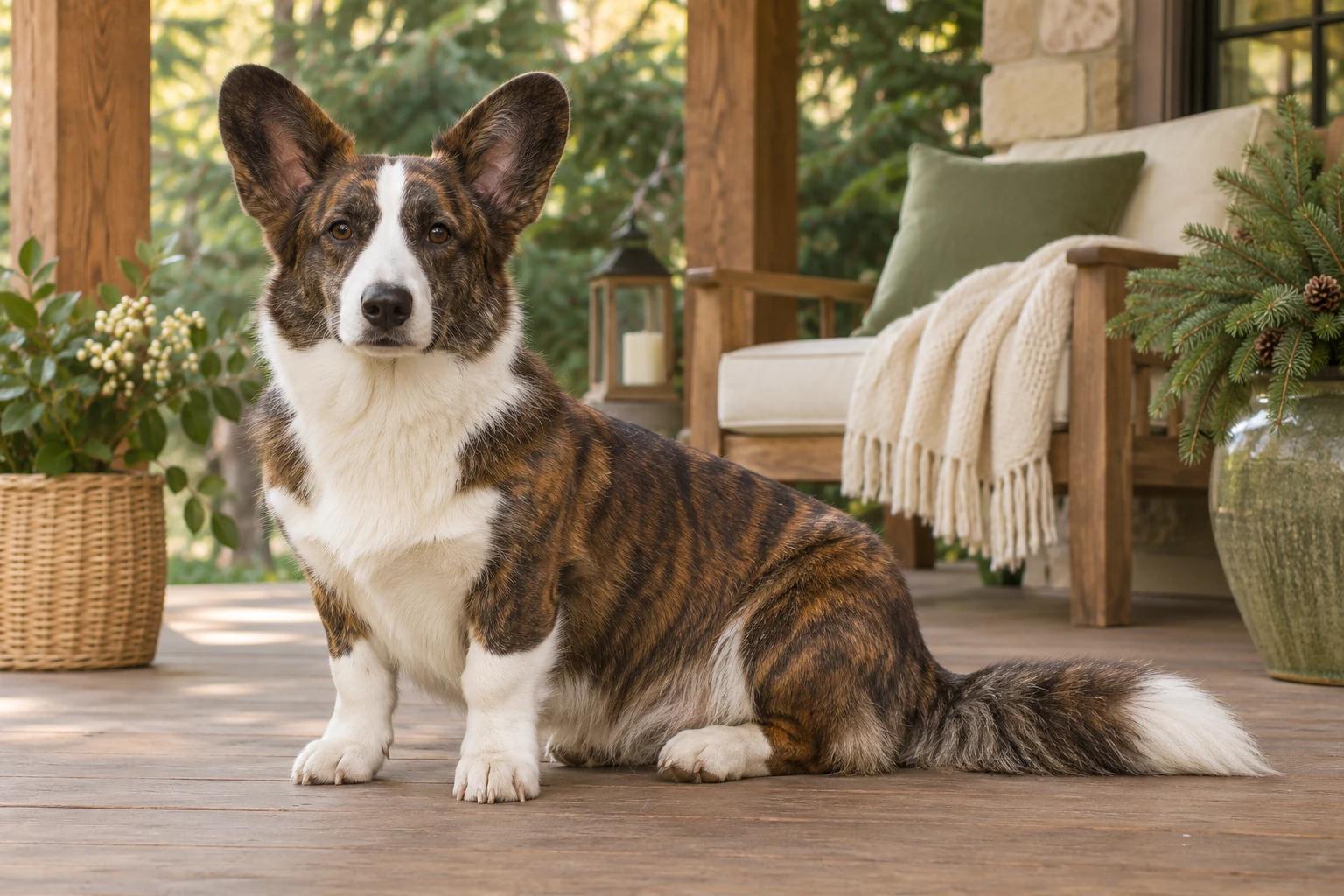
Cardigan Welsh Corgi training is worth approaching as a shared activity, not a chore squeezed in after a walk. The Cardigan Welsh Corgi profile places both activity and mental engagement toward the higher end of its scale. A plan that includes learning gives you something constructive to do together.
The United Kennel Club standard records a cattle-driving background. That history does not require a modern companion to work livestock. It does suggest a better starting image than a decorative little dog whose education can be postponed because it stands close to the ground.
Cardigan Welsh Corgi training: choose a project, not a label
Pick a project with a recognizable finish. For instance, you might want your dog to move with you through a simple sequence of turns and pauses. That is easier to teach and review than the broad goal of making an energetic dog “more obedient.”
Choose skills that interest you enough to practice. One owner may enjoy tidy walking patterns; another may prefer finding a named toy. The project should suit the individual dog and your current skill as a handler. There is no requirement to imitate someone else's competition ambitions.
Keep essential household skills alongside the recreational project. A dog can enjoy learning a trick and still need help with attaching a lead or waiting during an ordinary task. Record the two categories separately so an entertaining success does not hide a practical gap.
Consider rally as a framework for teamwork
The American Kennel Club's rally introduction describes a handler and dog navigating signs that specify exercises, including turns and familiar obedience actions. It recommends instruction and short, rewarding practice. You can investigate that style of teamwork without committing to competition.
For someone wondering how to train a Cardigan Welsh Corgi beyond isolated cues, the useful idea is sequencing. First learn the pieces, then learn how to move between them. A neat response followed by confusion about what happens next is a different training problem from not knowing the response at all.
Visit a suitable class as an observer before enrolling. Notice whether handlers receive clear instruction and whether dogs have enough room. Ask how the instructor supports newcomers and adapts exercises. Choose teaching you can understand rather than a room that merely looks impressive.
Rehearse your part without the dog
Try walking a simple route alone while deciding where your feet, hands and lead will be. If you cannot remember the next action, the dog cannot solve that planning problem for you. Human rehearsal is a useful way to reduce muddled signals during a lesson.
This is particularly helpful when working close to a low dog: you need to notice its position without constantly bending, crowding or stepping across its path. Ask the instructor to help you find a comfortable handling style instead of copying the posture of someone with a much taller dog.
Keep the dog's voice out of the argument
The site describes a relatively vocal breed. That makes sound a practical part of the training conversation, especially in shared housing. Do not assume Cardigan Welsh Corgi obedience means eliminating all barking, or that every vocal moment has the same cause.
Start by identifying the situation. Is the sound occurring while you prepare a game, when something passes outside, or during a difficult exercise? Describe what precedes and follows it. Those observations help a qualified trainer distinguish a teaching task from a management problem.
Avoid turning your own responses into an escalating exchange. If a practice session is deteriorating, stop and review the setup rather than trying to finish loudly. Persistent distress, sudden changes or behavior that feels unsafe needs professional assessment, not a stronger version of an internet tip.
Social learning is more than class attendance
Cardigan Welsh Corgi socialization should prepare the individual for the life you actually lead. A class can be one part of that, but attendance alone does not tell you what the dog learned. Look for comfortable participation rather than a checklist of crowded places visited.
Think about relevant experiences separately. Waiting while people move nearby is different from meeting another dog. Hearing an unfamiliar sound is different from accepting handling. Planning distinct experiences lets you notice what is comfortable and what needs a more gradual approach.
For puppies, discuss suitable opportunities and health precautions with your veterinarian. For a newly adopted adult, begin with what is known about its experience rather than assuming puppy guidance applies unchanged. You are building from an individual history, not starting from a blank breed description.
Judge progress by clarity, not speed
A useful lesson leaves you knowing which part improved and what to practice next. “Better today” is encouraging but hard to reproduce. “The turn was clearer when I moved my hand less” gives you a specific adjustment to remember.
Keep brief notes only when they serve that purpose. You do not need to document every response. One observation about the dog's understanding and one about your own handling are often enough to guide the next session without turning training into paperwork.
Do not increase the ambition simply because one attempt looked good. Let your instructor help distinguish a repeatable skill from a lucky sequence. Equally, do not dismiss progress because it lacks the polish of an edited video. Ordinary competence is valuable in its own right.
Choose the learning relationship you want
The right project should make you interested in returning to practice, not anxious about proving the breed's intelligence. If a sport does not suit either of you, investigate a different activity with appropriate guidance. Changing the project is not the same as abandoning the dog's need for engagement.
If you are still deciding whether this breed fits, use the breed match quiz to examine your interest in active participation. The separate Cardigan and Pembroke identification article addresses visual distinctions; recognizing the breed is only the beginning of understanding its ownership commitment.
FAQ
Must a Cardigan Welsh Corgi compete in a sport?
No. A structured hobby can give learning a purpose without becoming a competition goal. Choose an activity that suits the individual and obtain suitable instruction. Essential household skills still matter whether or not you pursue titles.
Is rally the same as teaching a list of tricks?
Rally combines familiar actions into a signposted course completed with a handler. The transitions and teamwork are part of the task. You can investigate a beginner class to see whether that format appeals to you and your dog.
Will training make a Cardigan completely quiet?
Training should not be sold as a guarantee of silence. Understand the contexts in which your dog vocalizes and seek help with specific difficulties. The breed's vocal tendency is an ownership consideration, not something to ignore until neighbors object.
Sources behind this article
Article source checked: November 15, 2026. Source checked 2026-11-15
Keep reading

Affenpinscher Training: Build Useful Everyday Habits
Read article →