Cardigan or Pembroke? The tail is only the first clue
Compare Cardigan and Pembroke Welsh Corgi tail descriptions, ears and accepted colors, while keeping breed identification separate from choosing a companion.
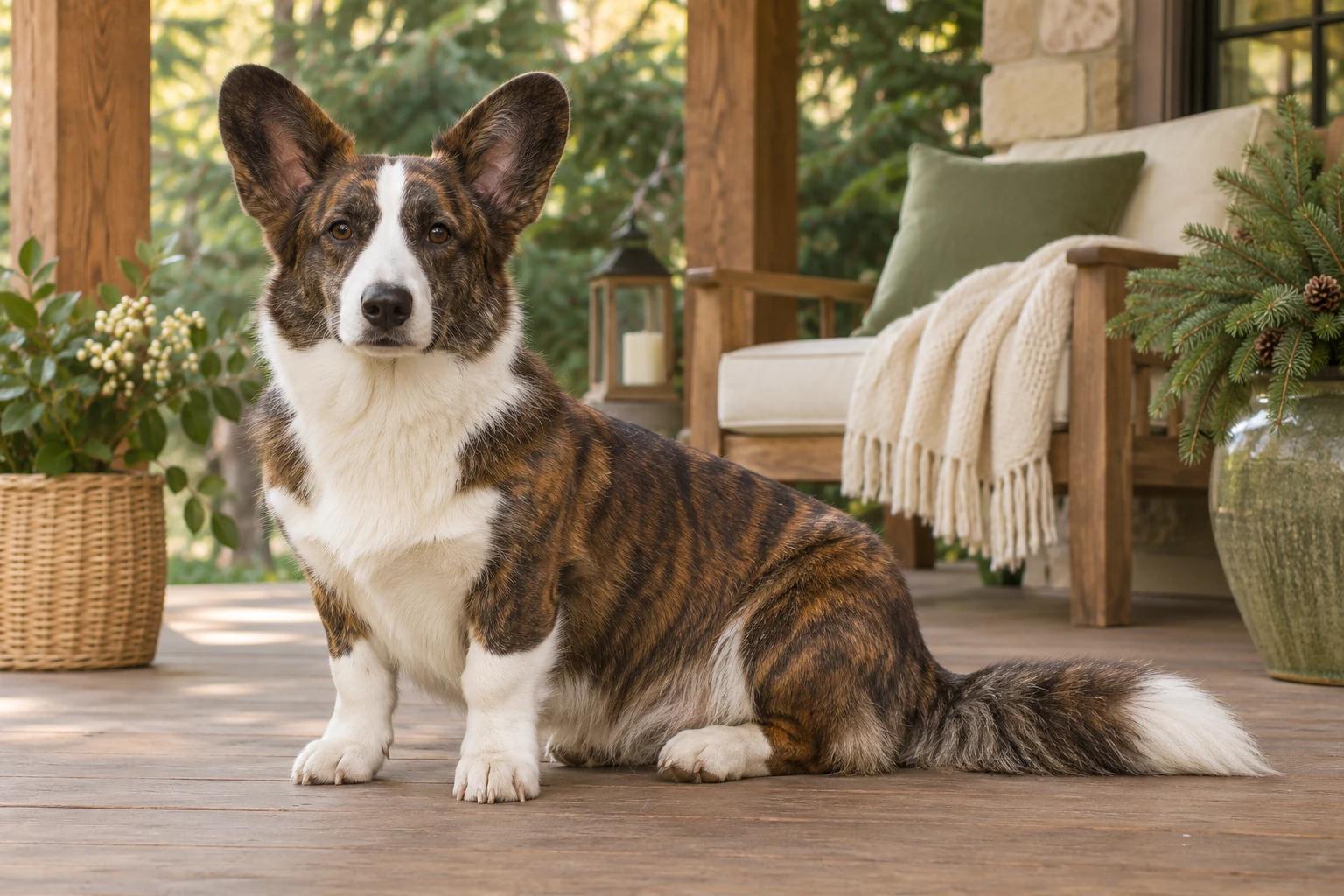
Two breeds behind one familiar word
Corgi is a useful starting point for a search, but it leaves out an important distinction: Cardigan Welsh Corgi and Pembroke Welsh Corgi are separate breeds. The long Cardigan tail is often the first feature people notice. It is not the only difference worth understanding, and a short tail does not explain a dog's entire background.
The AKC Cardigan standard describes a low-set tail reaching below the hock. The Pembroke standard describes a docked tail and also notes that some puppies are naturally short-tailed. Those are different explanations for a short appearance. Read the wording carefully instead of converting the familiar shorthand into a claim that every Pembroke was born without a tail.
Look at ears and colors without turning them into a test
The Cardigan standard calls for prominent ears with slightly rounded tips. The Pembroke's ears are described as medium-sized and tapering toward a rounded point. That is a more precise distinction than round versus pointed, which can make two subtly different descriptions sound absolute. The overall proportions and presentation also affect what you see in a photograph.
Color offers another useful comparison. The Cardigan standard includes brindle and blue merle alongside red, sable and black-based combinations. The Pembroke standard lists red, sable, fawn, and black and tan, with permitted white markings. These are conformation descriptions, used to assess dogs against a breed standard. A color outside a standard is not, by itself, a complete ancestry report or a judgment of a pet's worth.
Use the correct name for the next conversation
For example, if a blue-merle Corgi catches your attention, learning the Cardigan name helps you locate the appropriate breed information. It does not establish the photographed dog's pedigree, health or behavior. Ask what background is documented and which details are a caregiver's estimate before treating an identification as certain.
Keep the ownership discussion separate from the visual comparison. Ask how the individual responds to grooming, what daily activities it knows and what its caregiver has observed in the home. Neither a tail preference nor a favorite coat pattern answers those questions. The comparison is most useful when it gets you to the right information and a better conversation, rather than ending your research at the dog's outline.
Sources behind this article
Article source checked: October 20, 2026. Source checked 2026-10-20
Keep reading
Cardigan Welsh Corgi training: give learning a purpose
Read article →