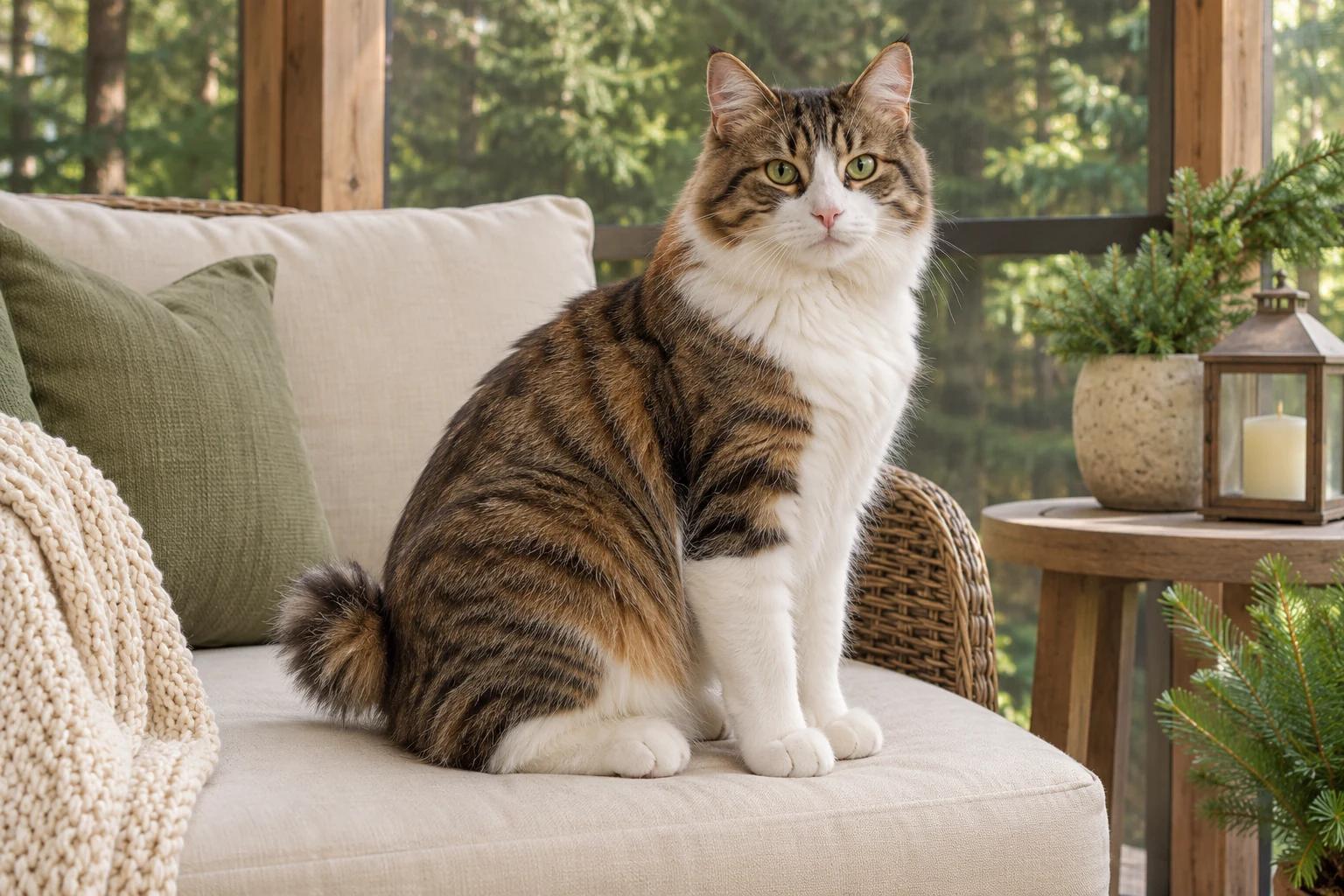
Building a calm brushing-and-reward routine with a Burmilla
Help your Burmilla participate in brushing with small steps, rewards it actually values and a clear plan for stopping or seeking professional help.
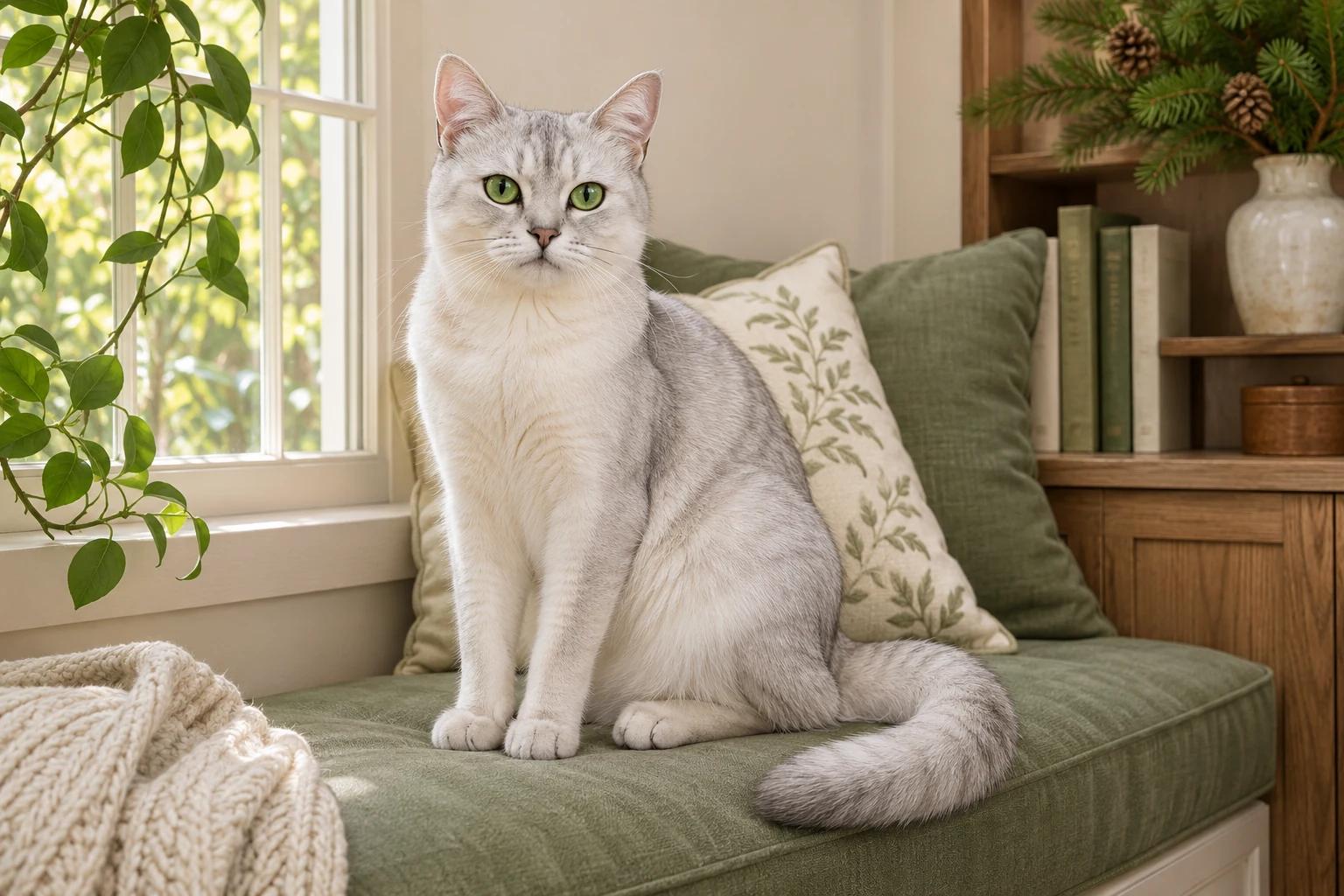
Start with participation as the goal
CFA recognises both long and short Burmilla coats. The coat in front of you, and the cat wearing it, matter more than a grooming timetable copied from another owner. If brushing is unfamiliar, separate learning to participate from completing the entire coat. Ask your vet or cat groomer to show you appropriate equipment before practising with it.
Choose a quiet place where the cat can leave. Put the equipment within your own reach so you do not need to grab the cat while searching for something. Decide on one modest aim for the occasion: perhaps remaining comfortable beside the brush, rather than standing through a full session. That makes it easier to recognise a useful step without demanding more immediately.
Find out what counts as a reward today
FelineVMA’s training guidance advises checking the individual cat’s preferred reward rather than assuming it wants food. Some cats value play or social attention. Observe what your Burmilla chooses in a calm setting, and do not use something it avoids merely because another cat loves it. Preferences may differ on another day.
Prepare that reward before beginning. For food rewards, ask how they fit into the cat’s existing feeding plan, particularly if there are dietary instructions. Keep your hands free to handle the tool gently and deliver the reward promptly. A short preparation step for the person can prevent an awkward pause that turns an easy interaction into a struggle.
Keep the steps smaller than the finished task
FelineVMA describes teaching through small steps and rewarding the behaviour promptly. Ask your veterinary team how to apply that approach to your cat’s grooming. For example, noticing the brush comfortably may be a different stage from accepting contact. Do not jump from one comfortable moment to an attempt to brush every difficult area.
Write down the step you tried and the response you saw. An entry such as accepted one gentle stroke is more informative than behaved well. If the cat turns away or leaves, end the invitation. Reward-based practice should not become a bargain in which the cat must endure discomfort to obtain something it needs.
Keep learning separate from urgent coat care
FelineVMA says cooperative care practice belongs with a healthy cat that is not in pain or showing fear. If grooming appears painful, the coat is already difficult to manage or the cat becomes distressed, ask for professional help. A learning plan cannot make an existing skin or matting concern safe to leave untreated while you practise.
Once you have an approach the Burmilla accepts, share it with other caregivers. Include the preferred reward, the current small step and what signals the end. Review the routine when the cat’s response changes. The useful result is willing participation in appropriate care, with professional support when needed, rather than a record number of brush strokes or a promise that every session will be easy.
Sources behind this article
Article source checked: October 22, 2026. Source checked 2026-10-22
Keep reading
Devon Rex ear care: what to ask before cleaning at home
Read article →