Devon Rex ear care: what to ask before cleaning at home
Ask the right questions about your Devon Rex’s ears before starting home cleaning, including whether it is needed and what changes need veterinary assessment.
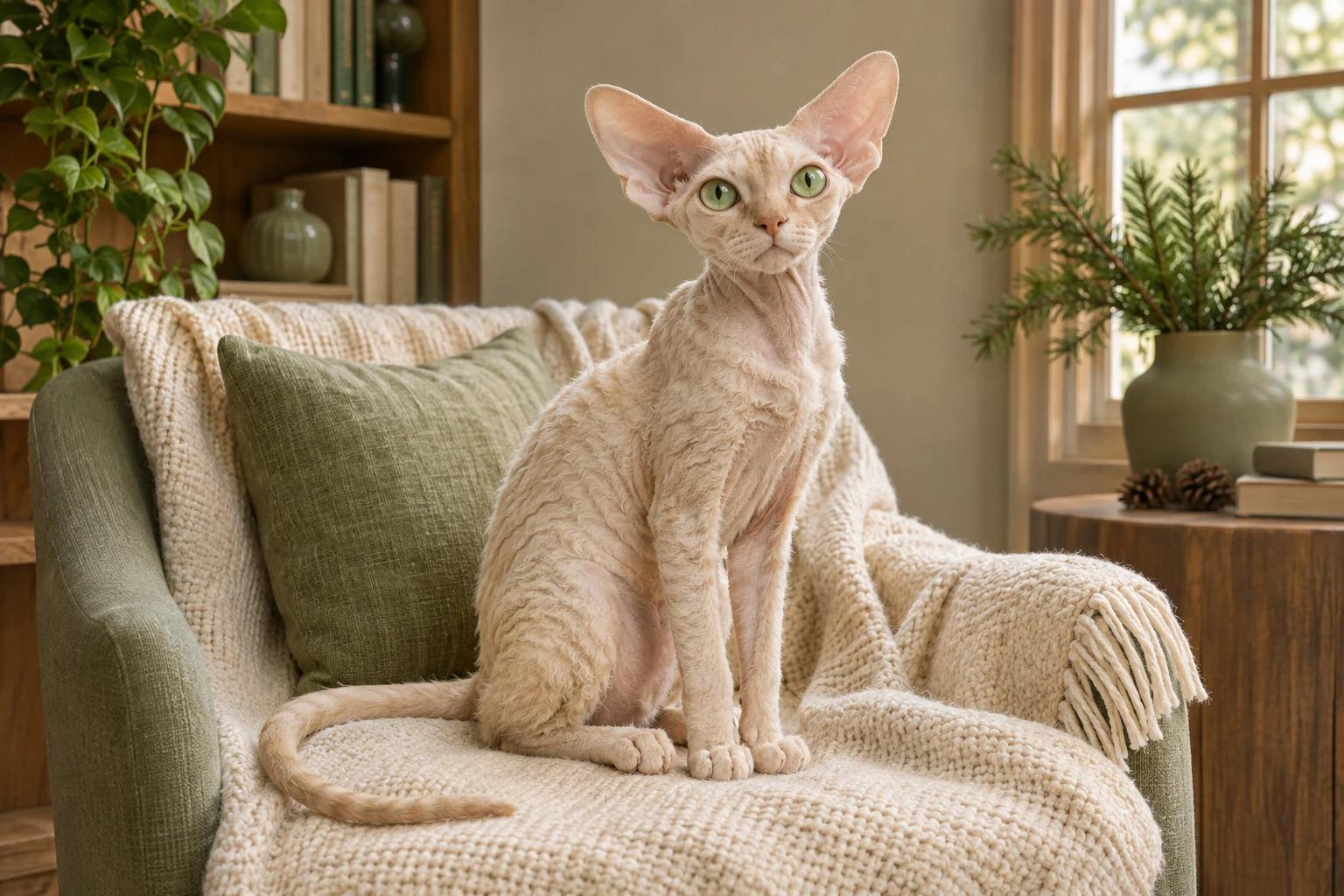
Large ears do not prescribe a cleaning schedule
CFA describes the Devon Rex’s prominent ears as part of its appearance. Their size can make an owner feel that every visible mark needs cleaning. Before adopting a routine from another household, ask your vet whether this particular cat needs ear cleaning and what you should normally observe without interfering.
VCA states that not all cats need their ears cleaned and that over-cleaning can cause irritation. That makes the first question whether cleaning is appropriate, rather than which product to buy. Keep any existing veterinary instructions available and distinguish them from general advice supplied by a previous carer or an online breed discussion.
Describe a change before trying to remove it
If an ear looks different, smells unusual or seems uncomfortable, tell the veterinary practice what you noticed. VCA advises consulting the vet before cleaning red, inflamed or painful ears. Do not assume visible material is ordinary wax, and do not try a cleaning session as a test of whether the concern goes away.
Note when you first noticed the change and whether any product has already been applied. If you can take a photograph comfortably, it may help explain the visible concern, but do not pull the cat into a position it resists. The purpose is to communicate observations, not compare the ear with pictures online to choose a diagnosis.
Ask for an individual demonstration
If the vet recommends home cleaning, ask for a demonstration and written instructions: the product, the appropriate equipment, how often to use it and when to stop or call. VCA cautions against cotton-tipped applicators because of potential injury and pushing debris deeper. This article does not reproduce a canal-cleaning technique or substitute a household product.
Explain honestly if handling the ears is difficult. A plan you cannot carry out comfortably needs adjustment, not more force. Ask what to do if the cat leaves, becomes distressed or will not accept a particular step. Keep prescribed medication instructions separate from cleaning instructions, and clarify any uncertainty before taking the products home.
Make the handover clear for other carers
Write the agreed plan in one place so another person does not add extra sessions or a different cleaner. Include the date of the advice and which veterinary practice supplied it. Do not reuse instructions for another animal simply because both have large ears, and do not shorten an individual treatment plan without checking with the prescriber.
Review with the team when the cat’s response or the ear’s appearance changes. The useful Devon Rex ear-care routine may involve observation with little intervention, or specific care directed by the vet. What matters is that it matches the individual’s needs. Ear size and a familiar breed name cannot determine whether cleaning is necessary or make an uncertain procedure safe.
Sources behind this article
Article source checked: October 22, 2026. Source checked 2026-10-22
Keep reading
Building a calm brushing-and-reward routine with a Burmilla
Read article →