Starting cooperative paw handling with a Kurilian Bobtail
Prepare your Kurilian Bobtail for comfortable paw handling with small voluntary steps, suitable rewards and a clear boundary between practice and needed care.
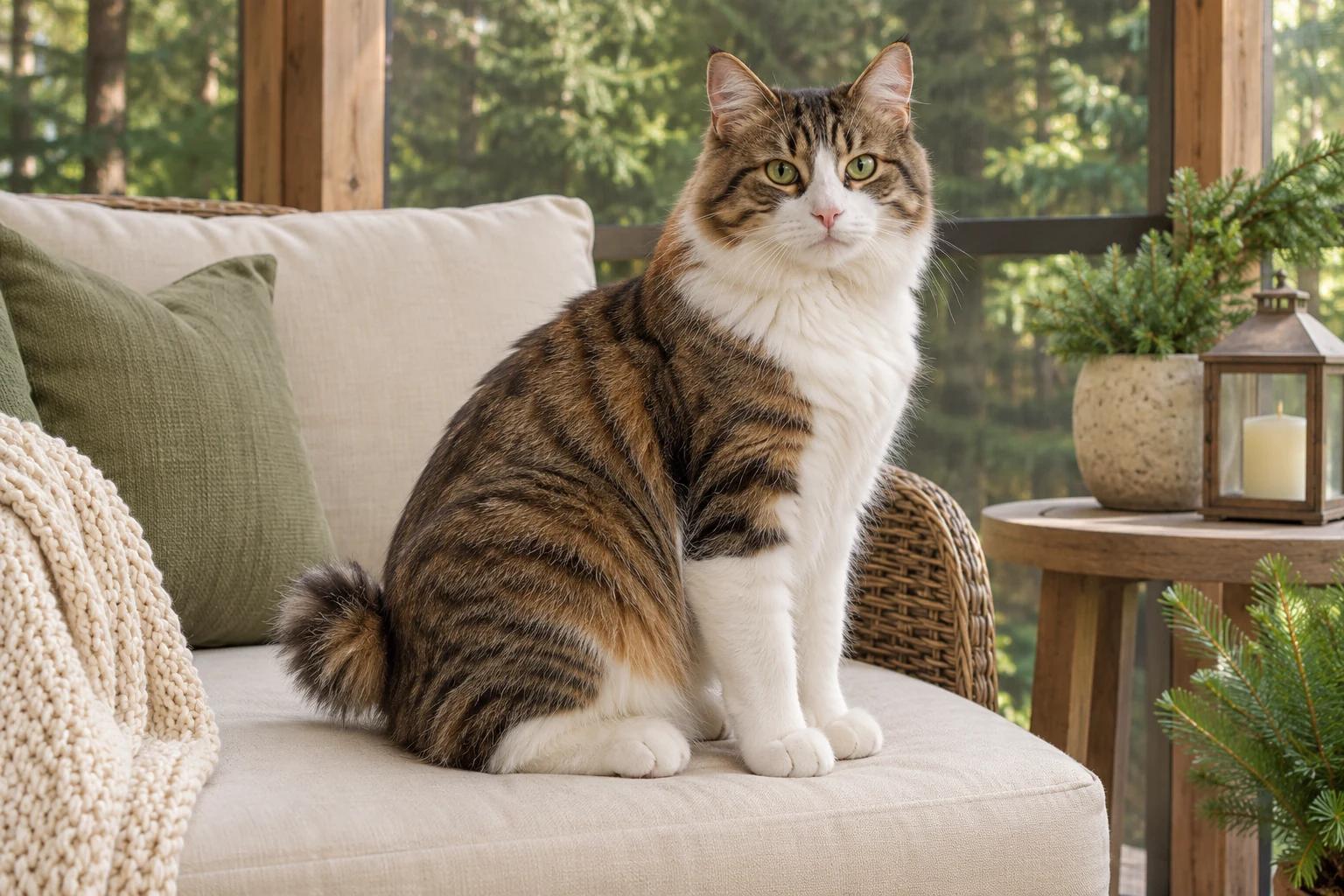
Decide what you are practising
A Kurilian Bobtail’s breed identity does not tell you how it feels about having a paw touched. Before starting, decide on a small care-related goal and ask your vet to show you appropriate handling. Learning to accept brief contact is a different task from trimming claws or treating a painful foot.
FelineVMA describes cooperative care as willing participation and says practice should involve a healthy cat that is not in pain or fear. If a paw looks sore, movement has changed or handling suddenly becomes difficult, contact the veterinary team first. Do not use a training session to investigate or work through a possible injury.
Make the setup easy to leave
Choose a quiet place where the cat is comfortable and able to move away. Prepare anything you need before inviting contact, including a reward the cat actually values. Keep tools for unrelated care out of the session so a simple invitation does not unexpectedly become an examination or nail trim.
Ask the vet what the first manageable step looks like for your cat. It might involve remaining relaxed near your hand rather than offering a whole paw. Keep the expectation small enough that you can stop while the interaction is comfortable. Another person should understand the same goal instead of trying to help by holding the cat still.
Reward a clear, voluntary step
FelineVMA recommends prompt rewards and breaking learning into small steps. Observe the cat’s choice and reward the step you are practising, rather than waiting until you have completed an ambitious sequence. The reward may be food, play or another interaction the individual welcomes; it should not be assumed from a breed description.
Keep notes about the action and response: stayed nearby, allowed brief contact or moved away. Do not count withdrawal as disobedience. End the invitation when the cat chooses to leave or becomes uncomfortable. If the same point repeatedly causes difficulty, ask for help adjusting the plan rather than increasing restraint or trying for longer.
Keep real care on its own timetable
A necessary procedure cannot always wait for practice to progress. Tell your veterinary team what the Kurilian Bobtail currently accepts so they can plan appropriate care. Do not postpone an appointment or improvise a technique because the cat has not reached a training milestone. This article does not teach claw cutting or provide an at-home treatment.
Share the current practice step with other caregivers and keep it consistent. Review the plan when the cat’s response changes, even if an earlier session went well. The useful result is a clearer way to invite participation in care, with professional support available. It is not a guarantee that every paw can be held on demand or that a breed will learn within a certain number of sessions.
Sources behind this article
Article source checked: October 22, 2026. Source checked 2026-10-22
Keep reading
Building a calm brushing-and-reward routine with a Burmilla
Read article →