Boxer Dog Training: Turn Enthusiasm Into Useful Skills
Plan Boxer dog training around attention, equipment, doorways, and everyday cooperation, with clear goals for puppies and adult dogs.
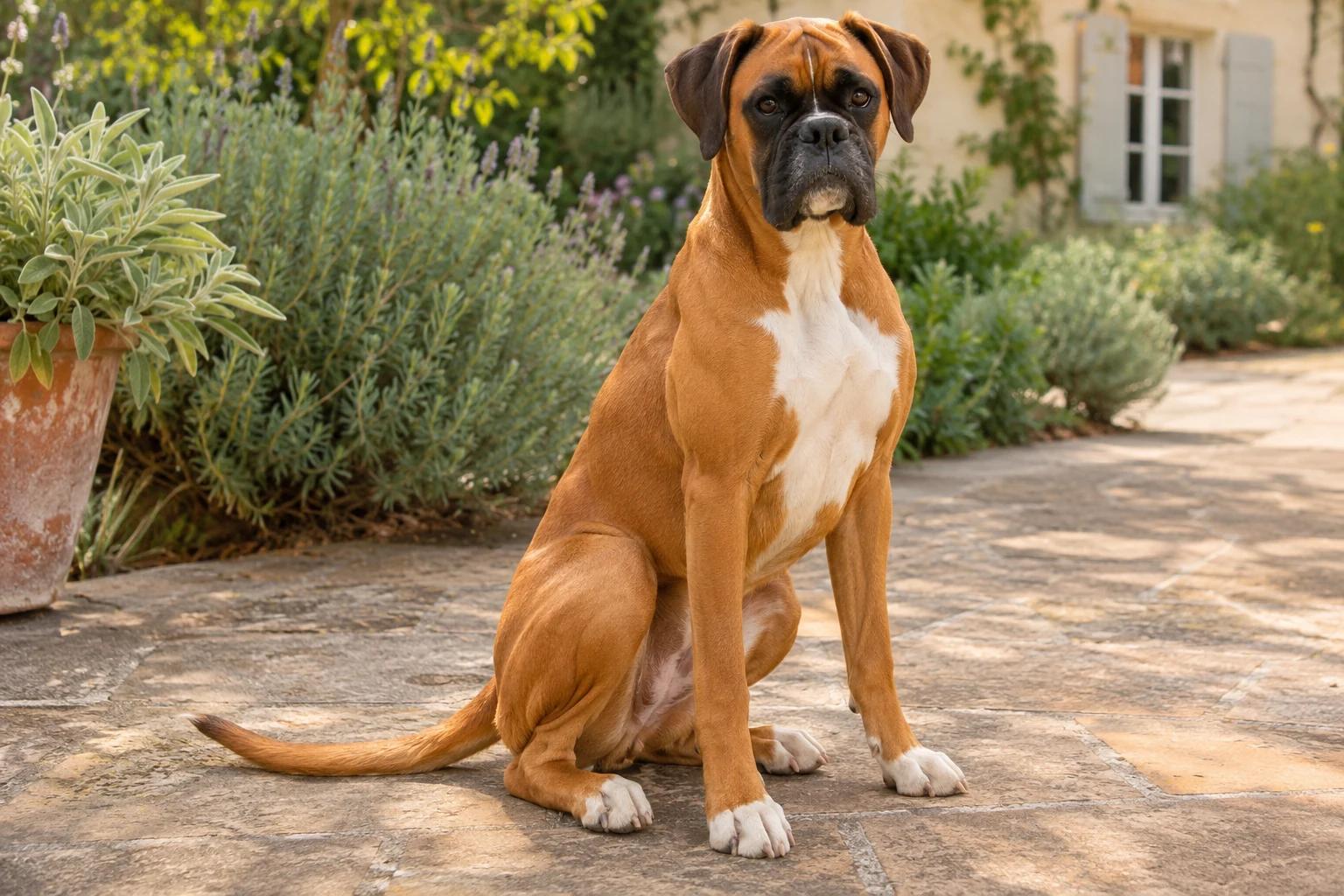
Boxer dog training can be a lively part of sharing your home, but it helps to know what you want to teach before the excitement begins. A dog cannot learn “be sensible” as easily as a clear action such as moving toward you or waiting in a chosen place.
The Boxer profile describes an active, responsive dog with a strong need for mental engagement. Start with practical communication that will still matter when the puppy is a substantial adult. The aim is cooperation, not suppressing everything you enjoy about the dog's personality.
Boxer dog training: choose a real-life goal
The AKC Boxer overview describes an alert, bright companion with a playful side. Those qualities may make learning enjoyable, but they do not supply a finished set of household manners.
Choose a situation you want to improve and describe the desired action. If departures are chaotic, your goal might be standing comfortably while equipment is prepared. If the kitchen becomes crowded, it might be moving to a designated resting spot.
Avoid beginning with several unrelated goals in one session. When you know exactly what you are rewarding, it is easier to notice progress and to explain the lesson to someone else who helps with the dog.
Make success visible
Record a small success in plain language: “approached the lead without jumping toward my hands” or “moved to the mat when I stood beside it.” Include the help you gave, so you do not expect a more advanced response next time by accident.
This kind of record keeps you from overlooking useful progress. It also reveals when the task is too large and needs dividing into smaller steps with a trainer's help.
How to train a Boxer dog around equipment
When asking how to train a Boxer dog for walks, consider the preparation as part of the lesson. Searching for a lead while the dog follows you between rooms creates a different situation from a calm, rehearsed departure.
Choose where equipment will be stored and where the dog can stand without blocking the exit. Practice the easiest pieces when you are not already late. A few quiet rehearsals can make it easier to see which moment needs teaching.
Ask a reward-based trainer to help if the dog jumps, mouths equipment, or becomes difficult to handle. Describe the whole sequence rather than reporting only the final struggle. The problem may begin well before the door opens.
Use suitable, correctly fitted equipment and get individual guidance when needed. Do not treat a stronger restraint as a replacement for teaching, and do not rely on being able to physically move the dog out of every difficult situation.
Boxer dog obedience in small spaces
Boxer dog obedience is especially practical where the household shares narrow routes. Hallways, kitchen entrances, and vehicle doors can become awkward if nobody has decided how movement will work.
Teach a useful alternative before asking the dog to stop doing something. For example, a resting area outside the busiest passage gives you somewhere clear to direct the dog. Make sure it is comfortable and not constantly disturbed by people passing through.
Practice the behavior with one person first. Then involve other caregivers using the same cue and expectations. A short written note can prevent one person from rewarding a response another person is trying to change.
Keep distractions manageable
A skill learned indoors may not immediately work beside an open entrance or outside a busy building. Change one part of the setting at a time and return to an easier version if necessary.
Do not keep repeating the cue while the dog is unable to respond. Pause, adjust the distance or surroundings, and ask for help if the pattern continues. Clear practice is more useful than a contest over who can persist longest.
Boxer puppy training without a race to adulthood
Boxer puppy training should fit the puppy you have today. An adult-sized ambition does not justify demanding adult concentration, physical effort, or independence from a youngster.
Ask the breeder or rescue what the puppy already knows and which routines are familiar. Use that information to make the transition less confusing. Keep toilet access, rest, and appropriate handling in the plan alongside formal lessons.
Discuss suitable outings and physical activity with your veterinarian. Training can include quiet learning and cooperation; it does not have to mean repeated strenuous movement. Avoid using exhaustion as the measure of a successful session.
If you are considering a class, ask about teaching methods, space, and how the instructor helps a puppy that becomes worried or overwhelmed. You should be able to understand the lesson rather than feel pressured to keep up with the fastest pair in the group.
Make mental work part of ordinary life
The American Boxer Club education page emphasizes both physical and mental challenges. For home training, that suggests giving thought to the quality of engagement rather than simply adding more movement.
Choose one easy learning activity that suits your dog and environment. You might practice locating an appropriate toy placed nearby or moving between familiar stations. Keep the setup simple, supervise it, and stop before the task becomes a frustrating puzzle.
Notice what the dog enjoys. A game that looks impressive online may not interest your Boxer, while a modest task with you may be highly engaging. Adjust the activity instead of assuming every dog of the breed wants the same challenge.
Separate training from the expectation that the dog must always be performing. Quiet companionship belongs in the day too. If settling is difficult, review the full routine with a professional rather than automatically making activity harder.
Know when to ask for support
Get help early if fear, conflict, or unsafe handling is developing. A qualified trainer can observe the circumstances and suggest manageable changes. Sudden reluctance, discomfort, or changes in previously familiar behavior should also be discussed with your veterinarian.
For the separate subject of family interactions, see the Boxer and children playtime plan. This article focuses on everyday teaching rather than replacing that adult-supervision guidance.
If you are still choosing a breed, the breed quiz can help you consider training time alongside activity and company. A Boxer should not be selected on the hope that intelligence will remove the need for regular practice.
FAQ
What should I teach a Boxer first?
Start with everyday cooperation: approaching you, accepting suitable equipment, moving to a resting area, and navigating doorways. Choose one small, observable behavior at a time.
Are Boxers intelligent enough to train easily?
The breed is described as bright, but intelligence does not guarantee effortless learning. Clear teaching, motivation, manageable surroundings, and consistent practice still matter for the individual dog.
How should Boxer puppy training differ from adult training?
Adapt expectations to the puppy's development, attention, and current experience. Include rest and routine care, and ask your veterinarian about appropriate activity rather than copying an adult dog's schedule.
Should I exercise my Boxer until it is tired before training?
Exhaustion is not a training goal. Plan suitable activity and short lessons around the dog's comfort, and consult a professional if engagement or settling remains difficult.
Sources behind this article
Article source checked: November 14, 2026. Source checked 2026-11-14
Keep reading

Affenpinscher Training: Build Useful Everyday Habits
Read article →