Bichon Frise Training: Small Skills for Everyday Life
Build a practical Bichon Frise training plan for toilet trips, grooming cooperation, walking, and everyday manners.
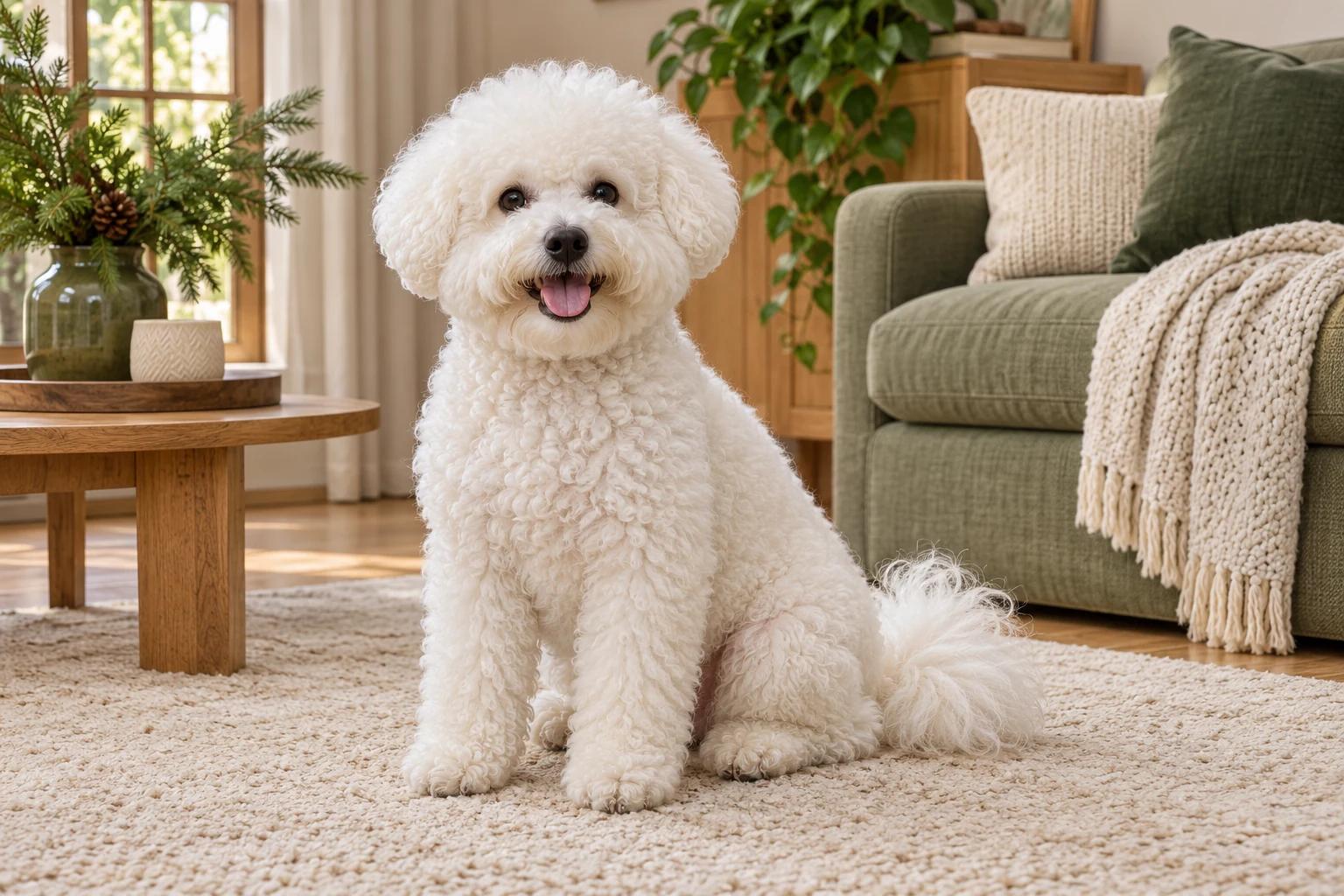
Bichon Frise training is most useful when it makes ordinary moments easier: finding the toilet spot, walking through the apartment lobby, standing for a quick coat check, and coming away from an interesting visitor. A small dog still needs clear lessons. Being easy to pick up is not the same as knowing what to do.
Start with the individual in front of you, rather than expecting a cheerful expression to mean instant understanding. Our Bichon Frise breed page describes a responsive companion that enjoys family contact. Use that interest in shared activities without turning every lesson into a long performance.
Bichon Frise training begins with a useful first week
Choose three things that would make the biggest difference in your home. For an apartment puppy, those might be a predictable toilet route, following you on a loose leash, and standing on a mat. For an adult arriving from another home, learning the new exit and responding to a new caregiver may come first.
Write the goals as actions you can see. “Be polite” is vague. “Keep four paws on the floor while I attach the leash” gives you something specific to recognize. Let each person in the household practice the same action rather than inventing a separate test.
The Bichon Frise Club of America recommends positive reinforcement at home and in classes. Its practical starting point is to acknowledge the behavior you want. Build your own lesson around that principle: make success easy to notice, reward it, then give the dog a break.
Bichon Frise house training: separate the route from the reward
House training has several moving parts. Your dog needs an opportunity to reach the chosen place, a clear connection between toileting there and the reward, and supervision while the habit develops. A puppy cannot solve a long elevator queue simply because the household has agreed that outdoors is the toilet.
Penn Vet's housetraining guidance emphasizes scheduled opportunities and rewarding immediately after the dog finishes in the appropriate place. It also identifies waking, eating, and changes in activity as useful times to anticipate a trip. Keep the reward with you, rather than leaving it in the kitchen until you return.
For an apartment, make a small exit kit: leash, bags, reward container, and shoes that are ready to go. The training problem may be five minutes of searching for your keys, not a stubborn Bichon. If different people handle outings, put the last trip on a shared note so everyone is working from the same information.
Treat accidents as information about the plan. Record when they happen and what came immediately before them. Do not turn the record into a contest over which person handled the dog incorrectly. If toileting changes unexpectedly or you have concerns about it, talk with your veterinarian.
Teach a standing position before asking for grooming patience
A Bichon's coat makes cooperation during care a useful everyday skill. That does not require starting with a complete grooming appointment. Begin with an easy standing position on a nonslip surface, then practice ending the lesson while the dog is still comfortable with the activity.
One possible sequence is to reward stepping onto a mat, then a brief stand, then your hand resting near the shoulder. Introduce one piece of equipment at a time. A dog can learn what the brush predicts before you attempt to work through the entire coat. Keep the task small enough that you can notice hesitation instead of rushing past it.
Agree on a simple pause cue with your groomer and ask how to practice useful handling at home. The objective is cooperation, not holding the dog still until the task is finished. Our article on the Bichon's puppy-to-adult coat change covers that separate coat topic; training here is about making care understandable.
How to train a Bichon Frise around exciting people
Think about the setting before choosing the exercise. A quiet hallway and a crowded lobby are not the same lesson. If your dog can follow a hand target at home but forgets it beside an arriving elevator, practice at an easier distance from the excitement.
Ask a helper to stand still rather than immediately reaching down. You can reward your dog for checking back with you, then decide whether a greeting is appropriate. This gives you a practical alternative to repeatedly saying “no” while the dog has no other task.
Do not require greetings with everyone. Sometimes the goal is simply walking past a person on the way outside. A Bichon that can move through shared spaces without a social stop at every doorway has learned a valuable everyday skill.
Build Bichon Frise obedience into movement
A formal sit can be useful, but it is not the whole training plan. Practice a few steps beside you, a turn in your direction, and a brief pause while you open an interior door. Use the actual places where those actions matter.
For a small dog, consider your delivery position. If every reward appears far above the dog's head, you may unintentionally invite jumping. Place it where you want the dog to be, then check whether your next attempt is easier. Your posture is part of the lesson too.
Use a class to get feedback on those details, not just to collect a list of commands. Ask the instructor how they adjust exercises for dogs of different sizes and how they help a dog that finds the room distracting. The answer should describe teaching, not forcing the dog through a crowded exercise.
Measure progress by what gets easier
Keep a short weekly note with three columns: skill, easiest successful setting, and next small change. “Stands on the bathroom mat while I pick up the brush” is more useful than “grooming improved.” You can see exactly what to repeat next time.
Change one feature at a time. A new room, another person, and a longer duration together can make an apparently familiar task quite different. If you are still deciding whether this companion's everyday needs fit your household, try the dog matching quiz alongside a realistic look at your available time.
FAQ
Are Bichons easy to train?
Bichons are often responsive companions, but training still depends on clear practice and the individual dog. Start with small, observable actions and reward success. Do not assume a dog understands a task in a busy setting because it can do it at home.
What should I teach my Bichon Frise first?
Prioritize the skills your home needs immediately: the toilet route, responding to you, comfortable equipment handling, and a simple standing or settling position. Choose a few goals rather than presenting a long command list on the first day.
How can I organize Bichon Frise house training?
Keep the exit equipment ready, provide regular toilet opportunities, and reward promptly after toileting in the chosen place. Share a simple outing record among caregivers. Unexpected toileting changes are a reason to talk with your veterinarian.
Is picking up my Bichon a substitute for training?
No. Lifting a small dog may help with a particular situation, but it does not teach walking, waiting, or cooperating with care. Practice those skills separately so carrying the dog is a choice rather than the only way to manage an outing.
Sources behind this article
- Bichon Frise Club of America: Creating a Puppy You Can Live With ↗
- Penn Vet: Tips on Housetraining Your Dog ↗
Article source checked: November 14, 2026. Source checked 2026-11-14
Keep reading

Affenpinscher Training: Build Useful Everyday Habits
Read article →