Bichon puppy coat change: when the easy brush stops working
Understand the Bichon puppy-to-adult coat transition and decide when to change your brushing routine, haircut or professional grooming arrangements.
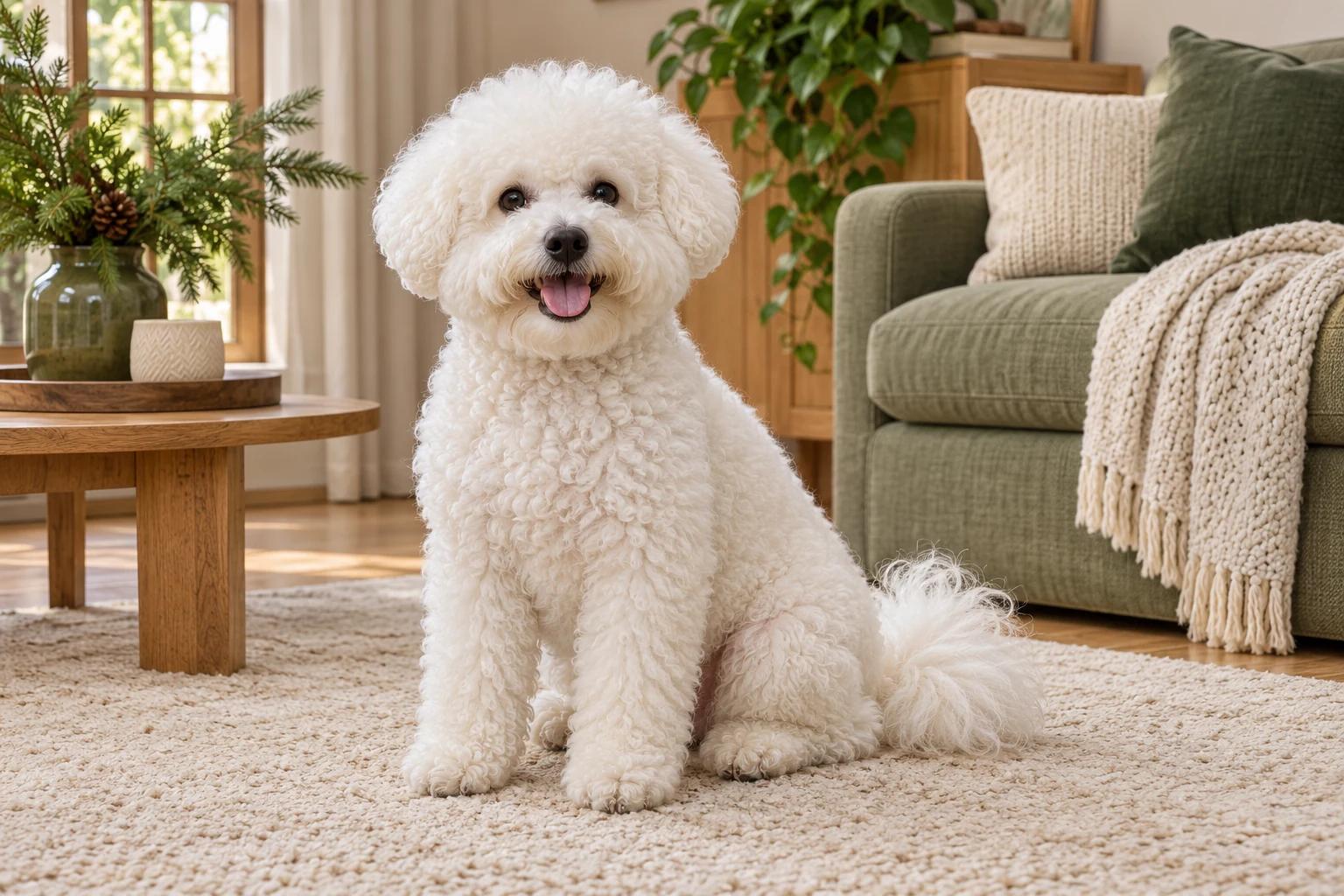
A changing coat can change the workload
The coat that was easy to brush on your young Bichon may become much more demanding before the first birthday. The Bichon Frise Club of America describes increased matting as the adult coat develops, often around eight months to a year. Its guidance explains that the adult double coat includes coarser guard hairs alongside softer hair. That age range is a useful prompt to pay attention, not an appointment every puppy keeps.
A previously manageable routine may therefore need revisiting even when you have not changed the brush or missed a salon visit. The useful question is whether you can comfortably maintain the coat your dog has now. Waiting for the next scheduled haircut while tangles accumulate can turn a small maintenance problem into a much harder grooming visit.
Look beyond the fluffy surface
The club identifies behind the ears, the armpits and the places where legs meet the body as common matting areas. A brush passing over the outer fluff does not establish that these areas are clear. Ask your groomer to demonstrate gentle brushing followed by checking with a comb, including how to recognize when a tangle needs professional attention.
Do not interpret a comb that catches as an instruction to pull harder. Stop and ask for help if the area is tight, painful or difficult to handle. For example, you might notice that the body looks freshly brushed but the comb catches behind both ears. Describe that specific finding when booking advice; it gives the groomer more to work with than saying the whole coat has become impossible.
Choose a sustainable length and division of work
Bring two things to the next appointment: a photograph of the style you like and an honest account of the brushing you can manage. Ask what care that length needs during the transition, whether a shorter pet style would be more practical, and when the coat should be checked again. The BFCA distinguishes show styling from the same underlying need for routine coat maintenance.
Agree who handles the work between visits. A shorter style should be discussed as a way to make care manageable, not a promise that brushing disappears. You can change the preferred look while the adult coat develops. Keeping the dog comfortable and making the routine achievable is a better measure of success than preserving the exact silhouette in a puppy photograph.
Sources behind this article
Article source checked: October 20, 2026. Source checked 2026-10-20
Keep reading
Bichon Frise Training: Small Skills for Everyday Life
Read article →