Barbet Dog Training: Build a Useful Retrieve and More
Make Barbet training practical with small retrieving steps, clear handovers, comfortable grooming practice, and a plan for everyday obedience.
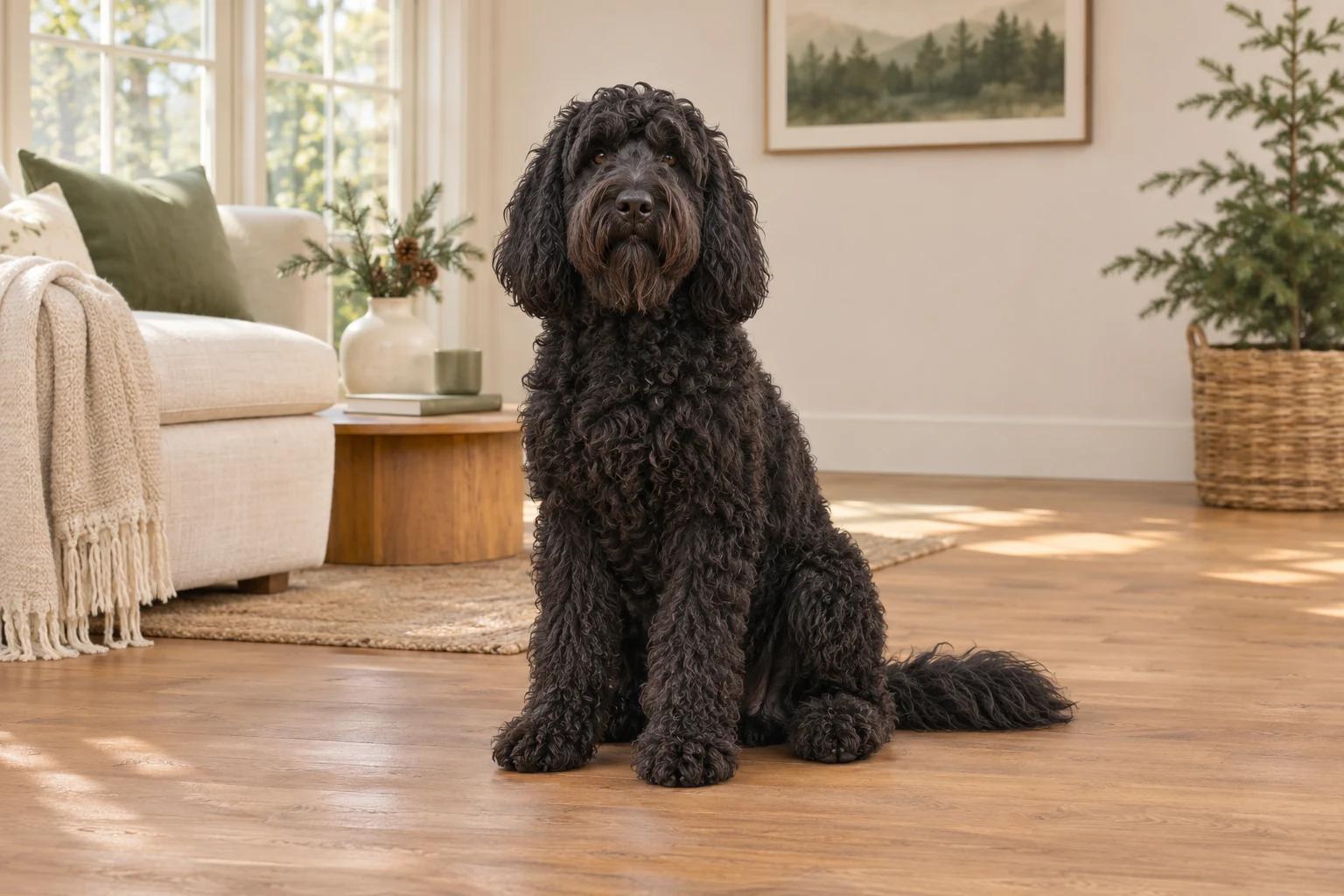
Barbet dog training can be especially enjoyable when you give the dog a clear task and make each part understandable. A retrieving background may suggest games to try, but it does not mean a puppy arrives knowing how to pick up a toy, bring it back, and release it into your hand. Those are separate skills, and seeing them separately can make teaching much less frustrating.
Start with a manageable exercise on dry land. Then connect it to the ordinary cooperation you need for walks, grooming, and life at home.
Barbet dog training: a task, not a guessing game
The Barbet Club of America describes a breed that can learn readily but may lose interest in repetitive drills. Our Barbet profile also recommends rewarding clear responses and providing mental engagement. Keep the lesson focused enough that you know which behavior earned the reward.
Before practicing, decide what success means today. It might be investigating a toy, picking it up from nearby, or bringing it a short distance. You do not need the entire finished retrieve in the first session.
This is useful beyond play. If you can identify one small behavior and teach it clearly, you can apply the same planning habit to stepping onto a grooming mat or moving with you through a doorway.
Break Barbet retriever training into parts
The AKC's fetch guide separates holding an object from retrieving it. It recommends rewarding interest, developing a brief hold, and increasing distance gradually. A dog that chases a toy but leaves it behind may need help with a different part of the sequence than a dog that carries it away.
Make your own checklist of what you observe: approach, pickup, movement toward you, and handover. Put a mark beside the parts that are already comfortable. Work on one missing part rather than repeating a long throw and hoping the whole sequence improves.
Choose a useful practice object
Use a dog-appropriate toy that suits the individual's size and interest. Inspect it before play and supervise its use. A toy that is awkward to carry can make it harder to tell whether the issue is the exercise or the object.
Have a place to store the training toy between sessions. This makes it easier to start deliberately and finish clearly. It also prevents you from relying on whatever unsuitable object happens to be nearby.
Make the handover a separate conversation
If your Barbet returns with a toy but does not release it, do not turn the moment into a chase or a tugging contest you did not intend. Stop and look at what you have actually taught. Returning near you and releasing an item are not automatically the same behavior.
A reward-based trainer can help you develop a clear exchange and identify a reward that makes participation worthwhile. Practice with low-value, appropriate objects in a calm setting rather than starting with something the dog is intensely interested in keeping.
Record the difference between willingly presenting an object and merely dropping it somewhere in the room. Either may be useful for a casual game, but knowing your goal keeps you from changing the rules midway through the lesson.
Keep the human side consistent
Decide where your receiving hand will be and what happens after the handover. If one person reaches quickly while another waits, the dog is receiving different information. Agree on a simple pattern before adding more participants.
A short video of your own practice can help you notice timing and movement you missed in the moment. Use it to review your actions, not to judge the dog against polished demonstrations online.
Barbet dog obedience includes care skills
A curly coat makes cooperative grooming a particularly useful training goal. You can practice being comfortable on a nonslip surface, standing briefly, and allowing familiar handling before expecting a full grooming appointment to go smoothly.
Separate practice from urgent maintenance. A calm introduction to a tool is a different task from dealing with a difficult tangle. Ask your groomer what handling skills would help, and ask a qualified trainer for support if the dog struggles with the setup.
Our existing article on natural Barbet curls and show presentation explains the coat's appearance. The training goal here is different: making routine care understandable and manageable for the individual dog.
Change one feature of the lesson at a time
When a skill works in your living room, try it in another quiet place before adding a busy environment. Keep the object and task familiar while the location changes. Later you can vary another detail.
This gives you useful information when something becomes difficult. If distance, surface, toy, and distractions all change together, it is hard to know which part needs attention. Small changes let you respond more precisely.
Do not measure progress only by longer distances or more repetitions. A clearer handover, a comfortable pause, or a willing start can be meaningful improvements. These details often matter more in everyday life than a dramatic throw.
How to train a Barbet without making every game a test
Leave room for ordinary enjoyment. Some play can simply be shared play, while a short practice session has a specific goal. Making that distinction helps you avoid correcting every spontaneous choice the dog makes.
End with a familiar routine: collect the equipment, offer a clear transition, and move on to something quieter. Keep notes only where they help you plan the next session. You do not need a complicated training diary to remember that a particular toy worked better or a location was too busy.
If you are considering a Barbet, use the dog breed quiz to assess whether you enjoy this kind of involvement. A reputation for trainability is most useful to someone who wants to do the teaching. For sudden changes in willingness or possible discomfort, talk with your veterinarian.
FAQ
Do Barbets automatically know how to retrieve?
No dog is guaranteed to arrive with a complete retrieve. A Barbet may enjoy some parts of the game while needing help with pickup, return, or handover. Break the sequence into small tasks and reward progress instead of relying on repeated throws.
What makes a good first Barbet training goal?
Choose something small and useful, such as approaching a toy, returning a short distance, or standing comfortably for familiar handling. Practice in a quiet setting and decide what success looks like before starting. Build complexity only when the simpler version is understood.
How can I avoid boring my Barbet during practice?
Keep sessions focused and vary the task thoughtfully rather than drilling the same response indefinitely. Change one feature at a time so the exercise remains clear. Include ordinary play as well as teaching, and finish before the session becomes a struggle.
Sources behind this article
- Barbet Club of America: Frequently Asked Questions ↗
- American Kennel Club: How to Teach Your Dog to Fetch ↗
Article source checked: November 14, 2026. Source checked 2026-11-14
Keep reading

Affenpinscher Training: Build Useful Everyday Habits
Read article →