American Hairless Terrier Training: Build Useful Habits
Build American Hairless Terrier training around house training, comfortable care, practical learning games, and clear everyday habits.
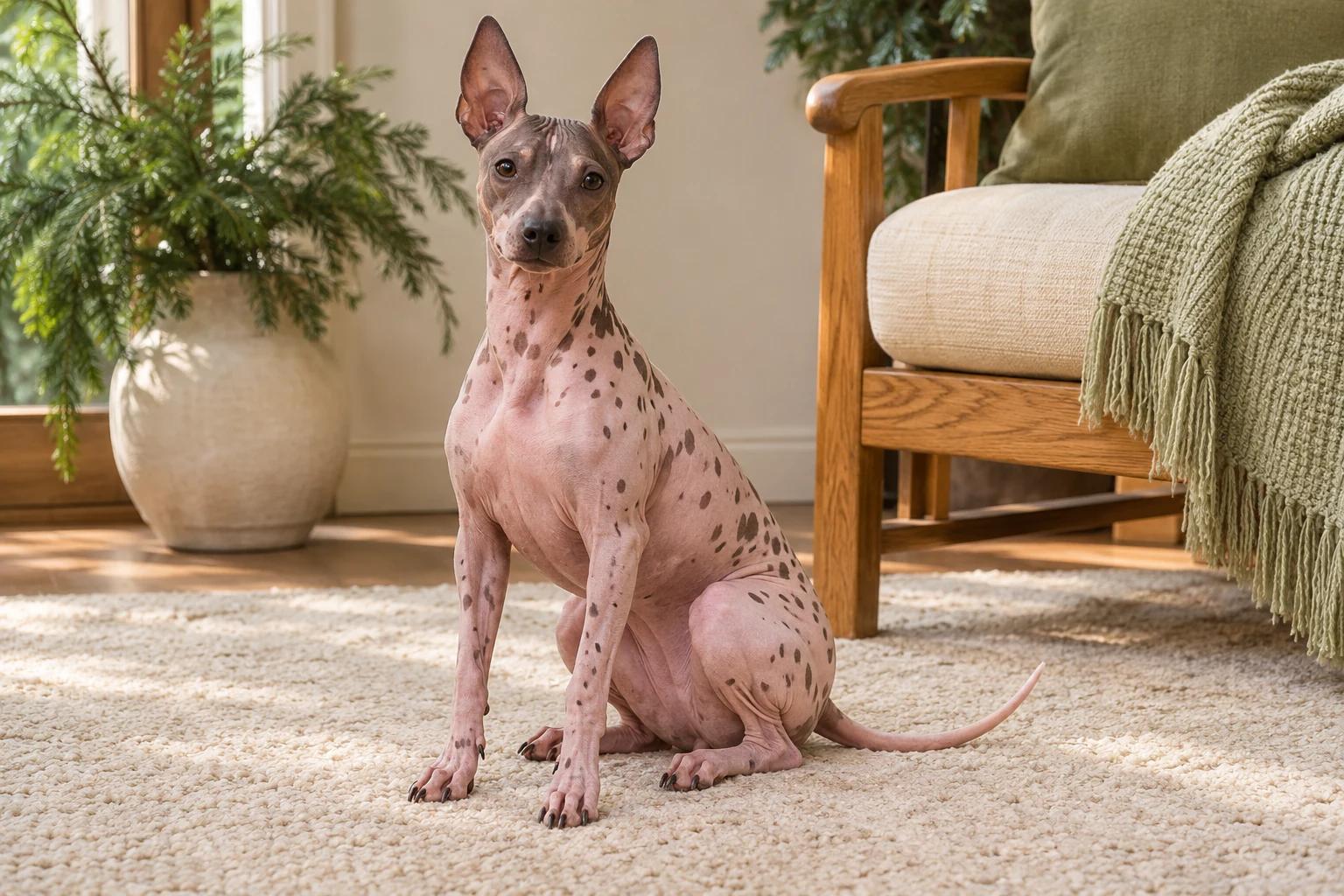
Explore the
American Hairless Terrier
Background, care, and everyday considerations.
View breed profile →American Hairless Terrier training can start with the small moments that shape a day: finding the toilet area, standing comfortably for equipment, moving onto a resting mat, or responding during a short game. These are useful accomplishments, not lesser versions of impressive tricks.
The American Hairless Terrier profile describes a curious companion that benefits from learning. A responsive breed reputation is a starting point, not a promise of instant understanding. Your dog still needs clear experiences that explain what works in your home.
American Hairless Terrier training should have a practical purpose
The breed standard describes alertness and curiosity. Give those qualities somewhere useful to go by selecting lessons connected to the life you actually share. A dog that can participate comfortably in everyday care has learned something valuable.
Choose one observable action at a time. For example, you might teach moving toward a particular mat before expecting the dog to remain there while you work. Or you might introduce wearing a garment comfortably before using it during an unfamiliar outing.
Keep the first version easy to recognize. If the goal changes halfway through a repetition, you may miss the moment worth rewarding. A clear beginning and ending helps you see progress without turning each lesson into a long performance.
Keep a tiny record of the next step
A note such as “comfortable with the harness nearby; next practice is approaching it” is more useful than “work on harness.” It shows exactly where you stopped and helps another person continue consistently.
Do not advance merely because a certain number of days has passed. Watch the dog's response to the current step. The plan should follow what has been learned rather than a deadline invented before you met the dog.
American Hairless Terrier house training: remove practical delays
American Hairless Terrier house training benefits from a routine that makes access to the chosen toilet area straightforward. The AKC house-training guide emphasizes supervision, frequent opportunities, a predictable routine, and rewards for using the intended place. It advises cleaning up accidents rather than punishing them.
Map the actual route from the room where the puppy rests to the toilet area. Are your shoes, lead, and other necessary items ready? Does someone have to search for a key? Fix those delays before relying on the puppy to wait through your preparation.
If your home involves stairs, lifts, or a shared entrance, discuss a workable plan with your trainer. The layout matters. A routine copied from someone with a private garden may not translate neatly to your building.
Make handovers precise
When more than one person is helping, record the last opportunity and whether the puppy used it. “I took the puppy out” does not tell the next person whether anything happened. A simple shared note avoids assumptions and missed opportunities.
If an accident happens, review the sequence without blaming the puppy. Was there an unplanned delay? Did supervision change? Was a usual opportunity missed? These are practical adjustments you can make. For persistent difficulties or a sudden change, talk with your veterinarian.
How to train an American Hairless Terrier for comfortable care
If you are asking how to train an American Hairless Terrier, include cooperative care among the goals. Hairless dogs may have clothing, bathing, or product routines tailored by their veterinary team. Learning about the equipment before it is urgently needed can make those routines easier to organize.
Break the process into pieces you can practice calmly. Seeing an item, approaching it, accepting brief contact, and wearing or using it are not the same step. You can work on one without attempting the entire task every time.
Use a comfortable surface and a position that lets you see the dog's response. Avoid balancing the dog somewhere awkward while trying to teach a new behavior. If the dog repeatedly moves away or appears uncomfortable, simplify the situation and ask a suitable professional for help.
This is teaching participation, not treating a skin problem. Follow veterinary guidance for care products and talk with your veterinarian about discomfort or changes you notice.
American Hairless Terrier obedience can be playful and precise
American Hairless Terrier obedience does not have to be a long string of commands. A short game can practice approaching you, moving to a location, or pausing while you prepare the next activity. Choose a clear action rather than adding several instructions at once.
For example, use a familiar mat in a quiet room as a visible destination. Decide whether you are teaching movement toward it or remaining on it, and keep those goals separate at first. You can later practice the same destination in another manageable part of the home.
The setting is part of the lesson. A skill learned beside your sofa may need an easier introduction in a class or garden. Treat the new environment as new information, not evidence that the dog has forgotten everything.
Stop while you can describe the success
End a practice session with a clear idea of what improved. Perhaps the dog approached equipment voluntarily or responded in a slightly different location. That observation tells you what to repeat next time.
If you cannot identify progress, simplify the lesson rather than extending it indefinitely. A trainer can help you choose a smaller step or notice where your timing and setup are making the task unclear.
Choose classes for the dog you have
Before enrolling, ask how beginners are introduced, how much space dogs have, and what happens when an exercise is too difficult. Explain your dog's experience with handling and new environments. A useful instructor should be able to discuss adjustments rather than requiring every dog to proceed identically.
Observe a class if possible. Look for clear explanations and manageable practice, not just a demonstration by the most experienced dog. Ask what you will work on between sessions and how to seek help if the home version is not going well.
Our coated-variety article explains a separate breed topic; coat status is not a forecast of training results. The dog match quiz can help you consider whether you enjoy the kind of daily teaching and interaction this companion needs.
FAQ
Are American Hairless Terriers easy to train?
American Hairless Terriers can be interested learners, but individual experience and clear teaching matter. Start with useful, observable actions and manageable settings. A breed reputation does not mean a puppy understands household routines or that an adult will know your preferred cues.
How do I start American Hairless Terrier house training?
Choose a practical toilet arrangement, supervise, provide frequent opportunities, and reward use of the intended area. Keep supplies ready so you can respond promptly. Share clear records between caregivers, and discuss persistent difficulty or sudden changes with your veterinarian.
What should I teach before using clothing or grooming equipment?
Introduce equipment in small, comfortable steps before expecting a complete care routine. Seeing an item, approaching it, and accepting contact are different experiences. Ask a trainer for a demonstration if the dog is unsure, and keep veterinary care instructions separate from the teaching plan.
How long should training sessions last?
Use brief sessions that stay clear and manageable for the individual dog rather than a fixed breed-specific duration. Stop with a recognizable success or simplify if the task is confusing. Several purposeful opportunities can be more practical than one prolonged lesson.
Sources behind this article
Article source checked: November 14, 2026. Source checked 2026-11-14
Keep reading

Affenpinscher Training: Build Useful Everyday Habits
Read article →