Alaskan Malamute Training: Teach the Everyday Skills First
Build Alaskan Malamute training around useful everyday skills, clear rewards, leash practice, and manageable household routines.
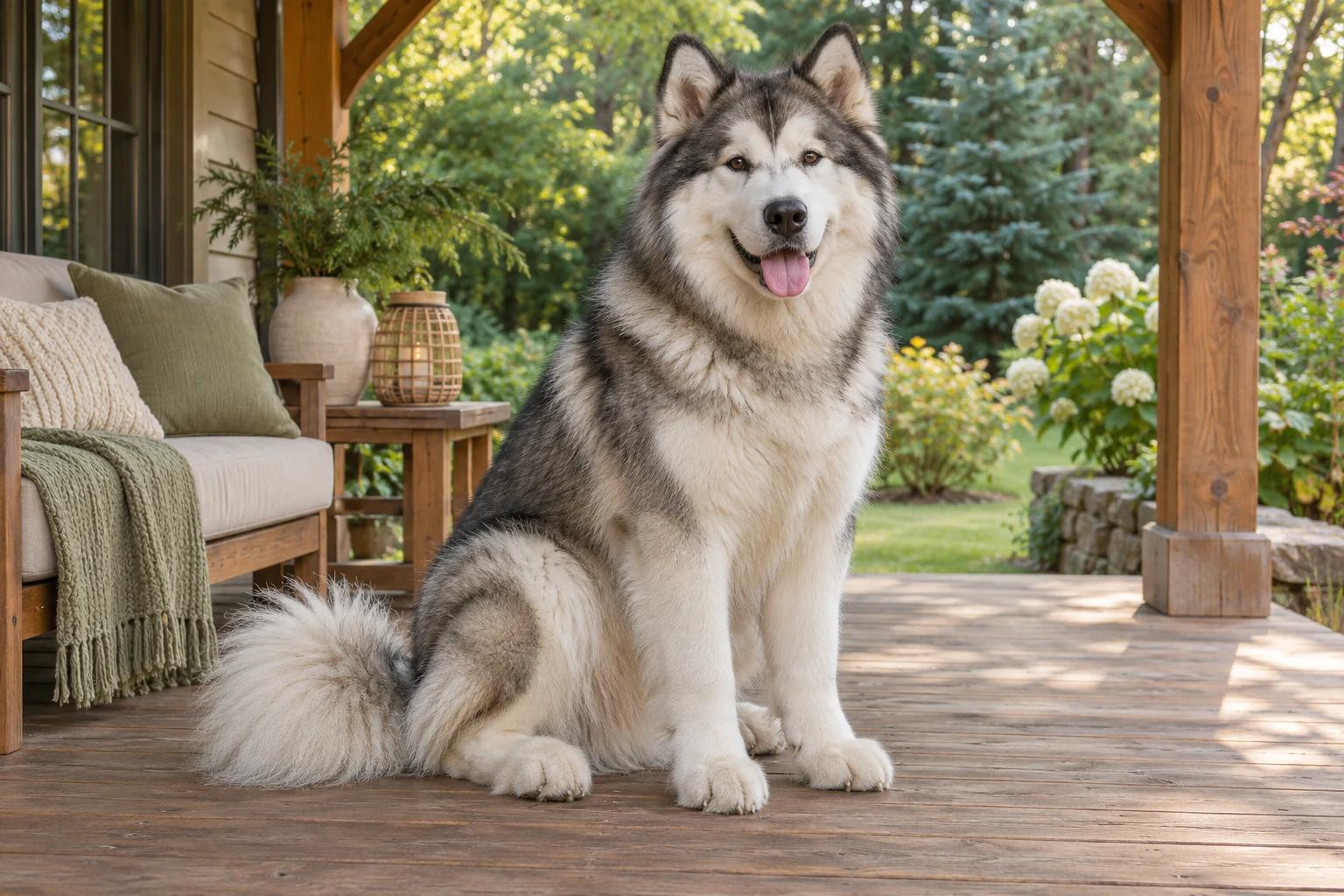
Alaskan Malamute training is most useful when it makes ordinary life easier: leaving home without a wrestling match, walking together, waiting while a gate opens, and cooperating with care. Those skills matter long before you consider a sport or an impressive trick. A large, strong dog needs clear teaching, but strength is not a reason to turn learning into a physical contest.
The Alaskan Malamute breed profile gives the broader care picture. Start your training plan with a few specific household situations, then build a sequence that the individual dog can understand.
Alaskan Malamute training starts before the cue
A useful lesson begins with the setup. What exactly do you want the dog to do? Where will it practice? What will count as a successful first step? Answering those questions prevents a vague request such as “behave” from becoming the whole training plan.
The AKC breed overview describes a substantial working dog with strength and a playful side. For daily teaching, use that as a reminder to prepare the environment, not a reason to assume the dog already knows what you want.
Imagine you want your Malamute to wait while you collect walking equipment. The finished routine contains several parts: choosing a place, remaining there, watching you move, and leaving when invited. Teach those parts separately instead of expecting the complete sequence at the first attempt.
Agree on the human routine
Decide where equipment is kept and which words the household will use. If someone opens the door while another person is still teaching a pause, the dog receives mixed information. People need a shared procedure before the dog can learn it consistently.
Write down the few cues that matter most. Keep their meanings distinct. A short list used clearly is more useful than several words for the same action and one word that sometimes means three different things.
How to train an Alaskan Malamute through small successes
Choose rewards the dog values and deliver them for the action you want. Begin with a version of the task that is easy to explain. When that becomes familiar, change one feature at a time, such as distance or the amount of movement around the dog.
A performance-training article published by the Alaskan Malamute Club of America describes using enjoyable, rewarded tricks to make practice more engaging. You do not need to copy its competition routine. The useful idea is to notice whether the dog understands and enjoys the learning process, rather than repeating a difficult exercise indefinitely.
For example, you could alternate a new everyday skill with one the dog already knows. Keep the familiar task genuinely easy, and finish before the session turns into an argument. This is an optional practice design, not a promise that one sequence suits every Malamute.
Keep progress notes specific. “Waited while I touched the door handle” shows a clear step. “Door training finished” does not tell you what was tested or what remains to teach.
Alaskan Malamute leash training deserves its own lessons
Alaskan Malamute leash training begins before a busy walk. Practice fitting equipment calmly, then rehearse moving together in a quiet area. Ask a reward-based trainer to help with equipment fit and handling if you are unsure, especially when the dog's strength is difficult for you to manage.
Choose a short practice route with space to pause and turn. Reward the position and attention you want rather than making the entire outing a struggle over forward movement. If the dog repeatedly pulls toward something, create more distance or use an easier location while you work on the skill.
Do not wait for the most exciting encounter of the day to introduce a new cue. Practice turning with you and moving away in simpler situations first. Then add ordinary distractions gradually, keeping the environment manageable.
Separate training practice from necessary outings
Your dog still needs appropriate opportunities outside while learning continues. Choose arrangements you can handle reliably rather than expecting every toilet trip to become a perfect training session.
A practical plan may use one quiet area for focused practice and a familiar route for ordinary outings. Tell other caregivers which approach you are working on so they do not unknowingly rehearse a conflicting pattern.
Teach gate and doorway routines without testing luck
A waiting skill can make entrances easier, but it should be practiced alongside secure physical arrangements. Keep gates and doors managed while the dog is learning. Do not use an open exit near traffic to find out whether a newly taught pause is reliable.
Break the task into small stages. The dog might first learn a resting spot away from the entrance. Later, you can practice reaching toward a handle, then other parts of the routine. Move at a pace that lets you recognize success rather than repeatedly starting over after an escape attempt.
Review the human side as well. Does a delivery open the gate unexpectedly? Does someone leave it unsecured while carrying groceries? A training lesson cannot repair an inconsistent household procedure by itself.
The same approach helps with car travel and grooming areas: define the desired action, arrange the space, and practice before the moment becomes busy.
Alaskan Malamute obedience includes comfortable care
Alaskan Malamute obedience should not be limited to sitting on cue. Brushing, checking equipment, and attending appointments all involve cooperation. Teach small pieces of handling separately so that routine care is not always the occasion when the dog first encounters them.
Practice approaching the grooming location, accepting brief contact, and remaining comfortable with a familiar tool. Keep these steps within what you can do calmly. Tell the groomer or veterinary team what the dog has practiced and where it needs support.
If handling changes suddenly or seems painful, talk with your veterinarian. Do not assume that a new objection is an attitude problem. When the issue is teaching or management, a qualified reward-based trainer can help you identify a workable next step.
Evaluate the plan by what improves
At the end of the week, choose a few useful questions. Was the lead easier to attach? Did the household use the same cues? Which location was too distracting? Adjust one part of the plan at a time so you can tell what made a difference.
Avoid comparing your dog with a polished training video. You rarely see the setup, earlier practice, or attempts that did not make the final clip. Your own small, repeatable improvement is a more useful measure.
If you are choosing a breed, the dog matching quiz can help you consider your experience and preferences. The site's article on Malamute freight-dog heritage covers working activities separately. Everyday training has its own value even if your dog never pulls a sled or enters a competition.
FAQ
How do I start Alaskan Malamute training?
Start with a few practical household skills and define the action you want. Teach small steps in an easy setting, reward success, and use the same cues across the household. Preparing for walks, waiting at entrances, and cooperating with care are useful early priorities.
Are Malamutes too independent for obedience training?
An independent manner does not make teaching pointless. Focus on clear tasks, rewards the dog values, and manageable practice. Evaluate the individual dog and the learning setup rather than using a breed label to explain every missed response. Seek reward-based help when needed.
How should I approach Alaskan Malamute leash training?
Practice equipment handling and moving together in a quiet place before adding busy surroundings. Reward the position and attention you want, and make difficult situations easier. If strength or pulling makes outings hard to manage, ask a qualified reward-based trainer for practical support.
Does a Malamute need harsh corrections to learn?
Training does not need to become a contest of strength. Teach the desired action, arrange manageable practice, and reward progress. When a task repeatedly fails, examine the setup and missing steps rather than escalating force. Professional reward-based support can help develop an individual plan.
Sources behind this article
Article source checked: November 14, 2026. Source checked 2026-11-14
Keep reading

Affenpinscher Training: Build Useful Everyday Habits
Read article →