What freight-dog heritage tells you about an Alaskan Malamute
Understand the Malamute standard’s emphasis on freighting, why that does not exclude racing, and which questions to ask before trying a pulling activity.
Read the job description before the highlight reel
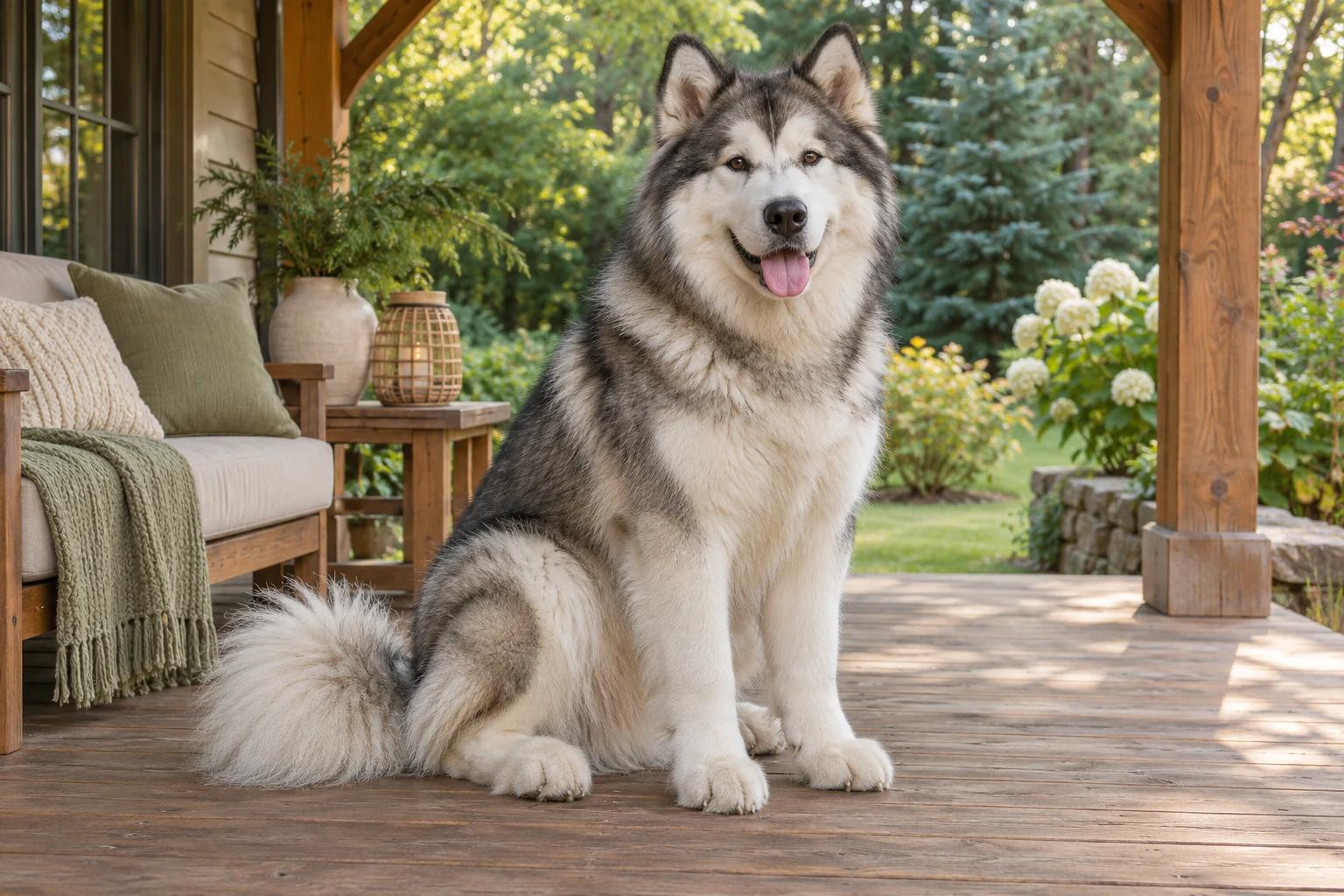
An Alaskan Malamute pulling a sled can look like the answer to every winter adventure plan. The AKC standard provides a more specific starting point: this is a breed shaped for heavy freighting, with strength and endurance central to its structure. Its discussion of movement emphasizes efficient, steady work rather than specialization for speed trials.
That distinction describes a breeding ideal. It does not tell you how far your own dog can travel, what weight it can pull or whether it is ready to work today. A dramatic video shows one team on one occasion; it leaves out the preparation, conditions and decisions that made the outing possible.
Freighting and racing are not mutually exclusive labels
The Alaskan Malamute Club of America's working guide discusses recreational sledding as well as several kinds of racing. Freight races involve an added load, while other events emphasize different distances and team arrangements. The club also recognizes accomplished racing dogs in its working hall of fame. Saying that Malamutes never race would therefore miss part of their documented working life.
For a newcomer, these distinctions are useful vocabulary when contacting a club. Ask what an introductory session actually involves: observing an experienced team, learning equipment handling or beginning supervised preparation with a suitable dog. Those are different commitments, even when an advertisement uses the same appealing photograph of a sled.
Turn an ambition into questions for this dog
Before introducing pulling, discuss your dog's age, health and physical readiness with your veterinarian, then seek an experienced instructor for the intended activity. Ask how equipment fit, conditioning, weather and stopping decisions will be handled. A breed standard is not a training schedule, and another dog's achievement is not a load prescription.
For example, a family might want a relaxed winter outing while the nearest group mainly prepares racing teams. Explaining that goal before joining helps both sides decide whether the instruction fits. You can appreciate the Malamute's working heritage without reproducing an expedition or chasing a record. The useful outcome is an informed plan that matches the individual dog and the people responsible for it.
Sources behind this article
- AKC: Alaskan Malamute Standard ↗
- Alaskan Malamute Club of America: Working ↗
- AMCA: Working Dog Hall of Fame ↗
Article source checked: October 20, 2026. Source checked 2026-10-20
Keep reading
Alaskan Malamute Grooming: Managing a Substantial Double Coat
Read article →