Yakutian Laika training
Build Yakutian Laika training around trust, clear rewards, recall, comfortable lead walking and a practical pause at doorways.
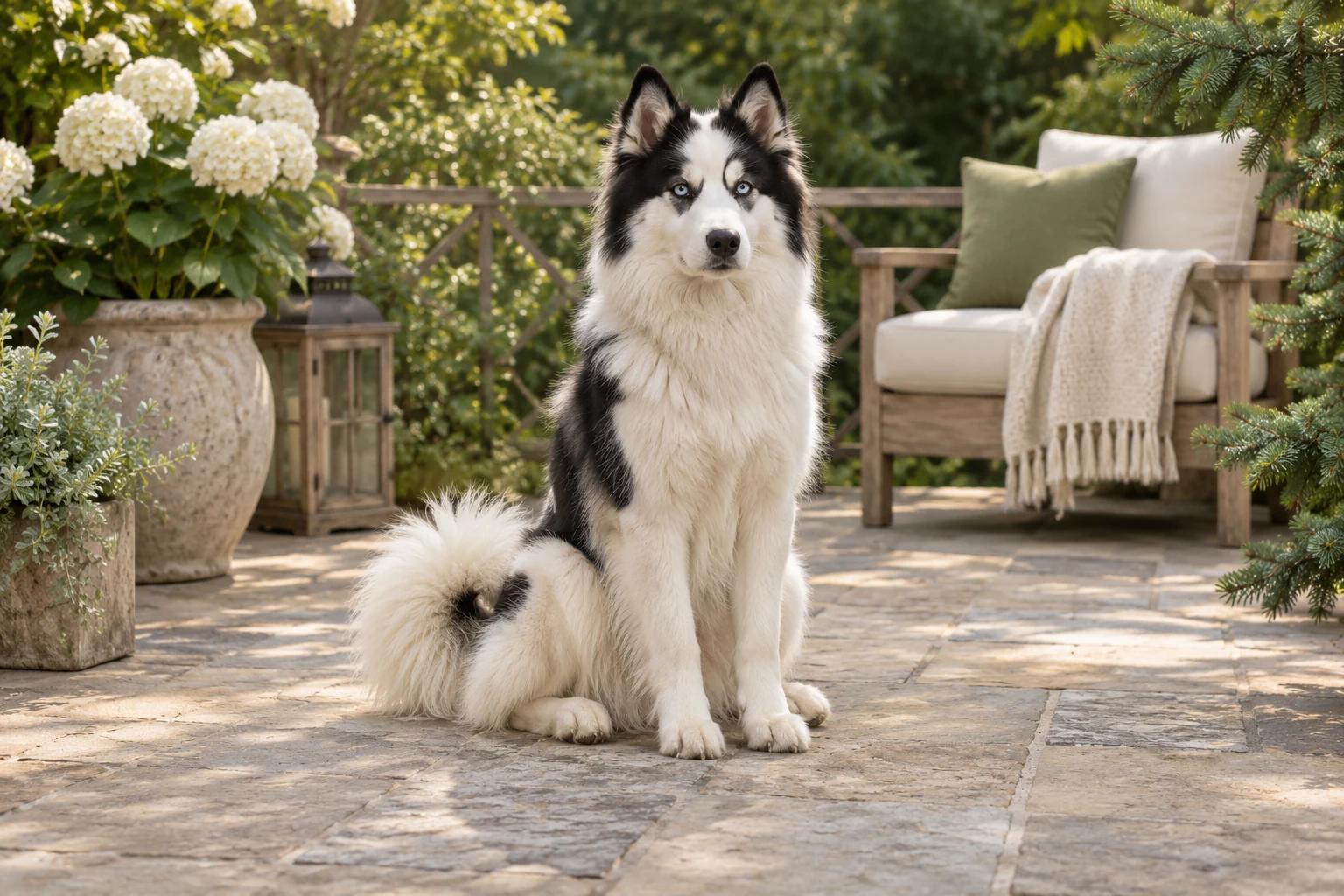
Yakutian Laika training gives an active companion something useful to do with its attention. The current Yakutian Laika profile emphasizes mental engagement alongside physical activity. A longer walk is not the only way to enrich the day: learning an understandable skill can make ordinary life more interesting for the dog and easier to share with it.
Yakutian Laika training begins with trust and motivation
The training account published by Dogs NSW describes a trainable dog with an independent streak. It emphasizes trusting relationships and positive reinforcement, including food rewards, rather than harsh correction. That combination is important: independence does not mean education is pointless, and learning ability does not make force necessary.
If you are considering how to train a Yakutian Laika, start with a task the dog can understand in its present surroundings. A reward should communicate that a particular action worked. It should not be held out as a promise while the handler repeatedly changes what counts as success.
Think of cooperation as something built through successful exchanges. A dog that has learned to turn toward you during a familiar lesson still needs experience applying that response elsewhere. Give it that education rather than interpreting every distraction as a deliberate challenge. The breed account's emphasis on trust provides a practical direction for the relationship: make teaching understandable and rewarding instead of trying to make an independent animal submit to a contest of persistence.
Teach returning before expecting a difficult outdoor recall
The RSPCA's recall guide begins with something the dog values, such as food or a toy. Move a short distance away, call invitingly and reward the return. Include gentle contact with the collar so reaching your hand toward the dog becomes part of a familiar, worthwhile sequence.
Begin indoors and increase the challenge gradually before practising outside with appropriate control, such as a long line. The guide also warns against punishing a dog after it returns or making the recall mean that enjoyable activity always ends.
For a Yakutian, separate the act of coming back from the assumption that every return must lead immediately to departure. Sometimes a successful return can be followed by more permitted activity. This gives the dog a reason to respond without making your call a reliable announcement that the outing is over.
A recall lesson is not permission to remove safeguards in an unsecured place. Practise within arrangements that keep the dog under control, and build success at manageable distances. Start with an achievable return rather than testing your most difficult outdoor situation first.
Make walking beside you an understandable choice
Dogs Trust's loose-lead guidance starts in a quiet home or garden, rewarding the dog for being beside the handler. Add movement and reward the desired position, then gradually extend the distance between rewards. Comfortable equipment matters; the lesson should not depend on equipment that causes pain when the dog pulls.
When the lead begins to tighten, stop rather than continuing forward. Resume when it is loose. Do not jerk the lead or scold the dog. The point is to make the connection between a slack lead and forward movement consistent.
For a Yakutian owner, this creates a different picture from trying to hold an excited dog back throughout the whole walk. The desired behavior is movement together, not an unending struggle against tension. Practise where the dog can learn before adding more demanding surroundings. If the next setting is too difficult, return to an easier stage rather than making the corrections stronger. Allow enough time for teaching; a rushed journey to a destination is a poor opportunity to introduce an entirely new walking pattern.
Teach a doorway pause without demanding a fixed pose
The AKC's doorway-wait lesson distinguishes waiting from staying in an exact position. The dog may stand, sit or step away; the important outcome is not crossing the doorway without permission.
Begin at a quiet interior door that opens toward you, with nothing exciting beyond it. Open it slightly. If the dog approaches, close it gently without catching or startling the dog. Reward the moment it pauses or moves away. Increase the opening gradually, then add the verbal cue once the response is becoming familiar.
Later, introduce your own movement through the doorway and return to reward the dog. A separate release word can permit crossing on some repetitions. The guide advises going back to easier stages at a new doorway and using a lead as an additional precaution where doors open outside.
This gives a Yakutian a concrete task at a busy transition. It is not a requirement to remain motionless indefinitely, nor a replacement for managing an exterior exit. Keep the learning situation protected while the dog discovers what the pause means.
Include social confidence and purposeful mental activity
Yakutian Laika socialization deserves attention alongside Yakutian Laika obedience. The current profile notes that unfamiliar people may require patient introductions and advises against forced contact. Being strongly attached to familiar people does not mean a dog wants every stranger to reach toward it. An introduction can begin with comfortable observation rather than immediate touching.
The profile also identifies scent games, training and suitable sports as ways to provide mental engagement. Consider the distinction between moving and solving: walking along a familiar route and learning an unfamiliar task ask different things of the dog. Neither needs to be dismissed, but they should not be treated as interchangeable simply because both occupy time.
The practical aim is a companion whose day contains shared activity and opportunities to learn, rather than one expected to remain occupied without your involvement. If you enjoy that interactive side of ownership, use the dog quiz to consider the wider fit. Our Yakutian eye-color article explores appearance separately; a striking portrait does not reveal a dog's education.
FAQ
Does a Yakutian need mental activity as well as walks?
Yes. The current profile emphasizes purposeful mental engagement alongside physical activity. Training, scent games and suitable sports can add opportunities to learn rather than relying on walking alone to provide every kind of stimulation.
Does affection toward familiar people guarantee comfort with strangers?
No. The current profile describes strong family attachment while calling for patient introductions to new people. Allow comfortable observation and avoid making physical contact compulsory.
Does an attractive breed portrait tell me how trained a dog is?
No. Appearance does not reveal which words or activities an individual knows. An adult's existing education and a puppy's developing experience need to be understood separately from the features that first attracted you to the breed.
Sources behind this article
- Dogs NSW Yakutian Laika training account ↗
- RSPCA recall training ↗
- Dogs Trust walking nicely ↗
- AKC doorway wait training ↗
Article source checked: November 16, 2026. Source checked 2026-11-16
Keep reading

Affenpinscher Training: Build Useful Everyday Habits
Read article →