Welsh Springer Spaniel training
Build Welsh Springer Spaniel training around motivation, a comfortable down, supervised stays and a clear change-of-direction cue.
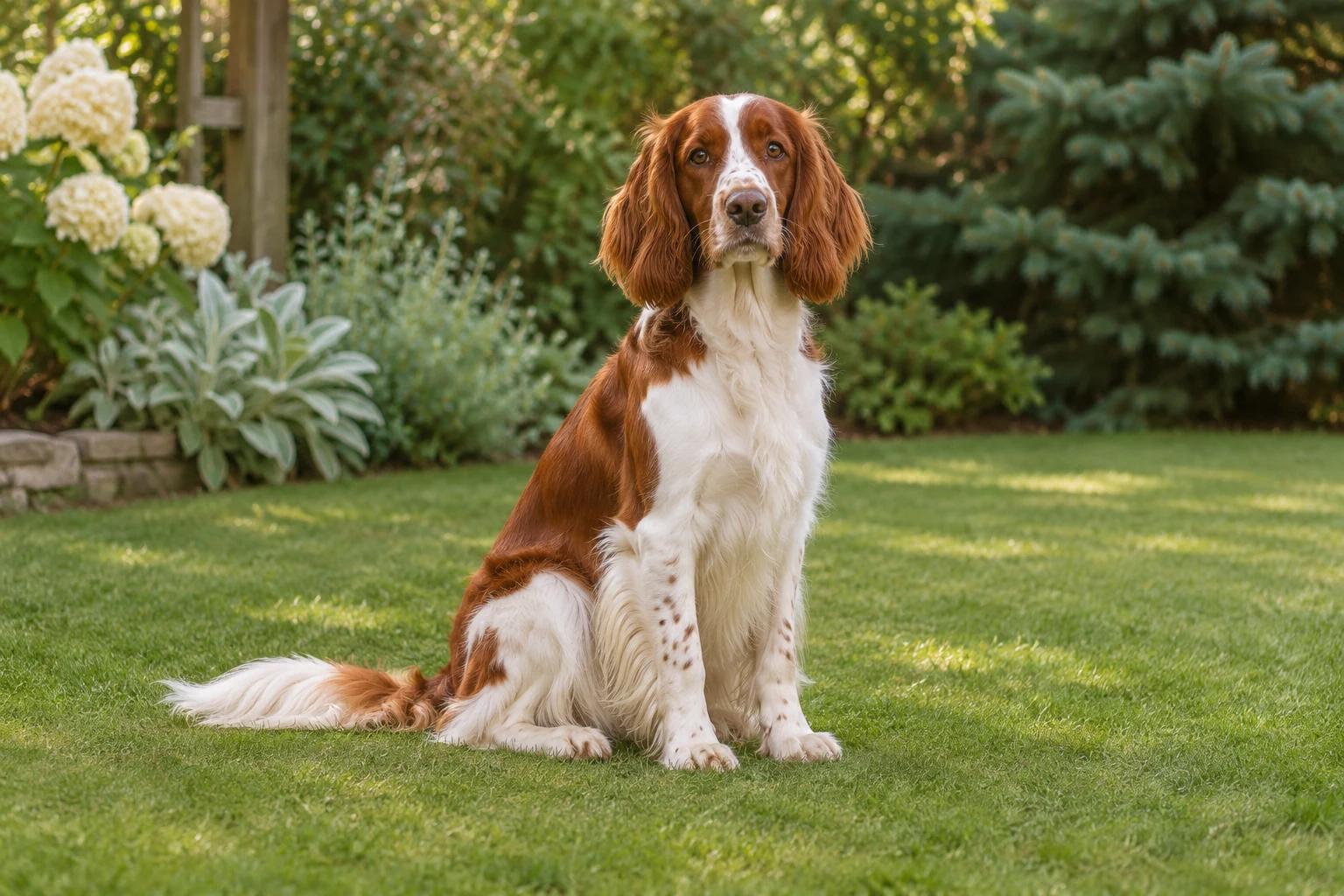
Welsh Springer Spaniel training can be a rewarding part of daily life with a dog whose current breed profile describes strong responsiveness and interest in learning games. That reference does not mean your dog arrives knowing your cues. Start with what the individual already understands, then teach useful actions in a way you can both follow.
Welsh Springer Spaniel training: make yourself relevant outdoors
VCA's Welsh Springer profile describes a hunting-minded dog whose nose and surrounding distractions can compete with a lesson. It identifies food and play as useful motivation. This is a more constructive explanation for a missed response than immediately deciding that the dog has deliberately rejected its owner.
The question is not simply whether the dog can perform an action at home. It is whether the same request makes sense amid the interests of an outdoor setting. Notice what currently holds the dog's attention and which familiar rewards remain interesting there. A reward chosen because the owner finds it convenient may not be the most useful choice for that particular lesson.
This is especially relevant when learning how to train a Welsh Springer Spaniel outside. Treat outdoor engagement as something to develop, not as proof that a high training reference was wrong. Food and play are ways to participate with the dog, rather than competing with its interests through repeated demands alone.
Teach a comfortable down
Battersea's down lesson begins by moving a treat from the dog's nose toward the floor between the front paws. Reward the movement into a down; if needed, reward smaller stages toward the completed position. Use a comfortable surface rather than making an unfamiliar texture another obstacle.
Once the dog follows the movement reliably, guide with one hand and deliver the reward from the other. Then try the same guiding gesture without food in that hand. Introduce the verbal cue before the familiar movement and gradually make the hand signal smaller.
This distinguishes the instruction from the visible food. The dog is learning an action in response to a cue, not merely following a snack indefinitely. Avoid forcing the body into position. If the movement appears uncomfortable, ask your veterinarian for advice rather than treating the difficulty as a training dispute. A lesson should fit the dog, not require the dog to overcome discomfort to satisfy the lesson.
Give a stay a clear beginning and end
Battersea's stay guidance starts close to the dog, rewarding a brief moment of stillness before the handler moves away. Add a consistent word and hand signal, then a separate release cue so the dog can distinguish holding position from being free to move.
Build difficulty in small pieces. A slight movement backward can come before a whole step; return to the dog to reward rather than leaning toward it and inadvertently encouraging movement. When adding a new distraction or location, make the other parts easier again.
For a busy spaniel, the aim is an understood pause, not an endurance contest. Include movement breaks and use a setting where the dog can succeed. If it moves early, guide it back gently and reduce the challenge. Never use a stay as a reason to leave a dog unattended in a public or unsafe place. Supervision remains part of the exercise even when the cue is familiar.
Teach a change of direction without pulling
Battersea's this-way lesson begins with the dog beside the handler on a loose lead. Reward that starting position and a few steps together. If the dog moves away, stop and guide it back with a treat rather than dragging it by the lead.
Once walking together is comfortable, use a treat near the nose to guide a turn. Mark and reward following the movement. Add “this way” before the turn when the action is familiar, then replace the food lure with an empty-hand signal and reward afterward.
Only add more distractions once the dog can respond in an easier place. For a Welsh Springer owner, this provides a practical way to communicate a route change instead of expecting the dog to infer it from a tightening lead. The lesson is a shared turn, not a sudden correction. Keep the sequence understandable before expecting it to work amid a more interesting outdoor scene.
Welsh Springer Spaniel obedience and social confidence are different skills
The current profile describes patient introductions as important for this breed. A dog may understand your familiar instructions while still needing time around unfamiliar people. Welsh Springer Spaniel socialization should not become a demand to greet everyone merely to demonstrate that the dog is well trained.
The same reference emphasizes close family involvement. Familiarity with one person, however, does not tell you whether the dog understands another person's gestures. When several people participate in teaching, establish what the existing cues look and sound like. A slight difference that seems unimportant to a human can change the request the dog is being shown.
Consider practical scale too. Current adults are listed at 35–50 pounds for females and 40–55 for males. Training is part of sharing life with that adult companion, not just an activity for the puppy stage. Think about the ordinary communication you want to maintain when the dog is fully grown.
The dog quiz can help you consider whether an involved learning relationship appeals to you. Our Welsh Springer ear-shape article covers a different aspect of the breed; appearance alone does not reveal training experience.
FAQ
Does a high training reference mean my Welsh Springer already understands me?
No. It describes responsiveness as a breed tendency, not knowledge of your individual cues. Ask which words and gestures the dog already knows and distinguish those from the new instructions you want to teach.
Must a well-trained Welsh Springer greet every unfamiliar person?
No. The current breed reference describes a need for patient introductions. Understanding familiar cues and feeling comfortable with someone new are separate matters. Do not use obligatory greetings as a test of obedience.
Is training only a puppy-stage commitment?
No. The current profile includes daily learning games in the breed's everyday life. Consider how you want to communicate with the adult dog as well as the puppy, rather than treating education as something completed before ordinary companionship begins.
Sources behind this article
- VCA Welsh Springer profile ↗
- Battersea lie-down lesson ↗
- Battersea stay lesson ↗
- Battersea this-way lesson ↗
Article source checked: November 16, 2026. Source checked 2026-11-16
Keep reading

Affenpinscher Training: Build Useful Everyday Habits
Read article →