Treeing Walker Coonhound Training: Clear, Useful Skills
Explore Treeing Walker Coonhound training through a real learning story, backward steps, paw targeting and comfortable social experiences.
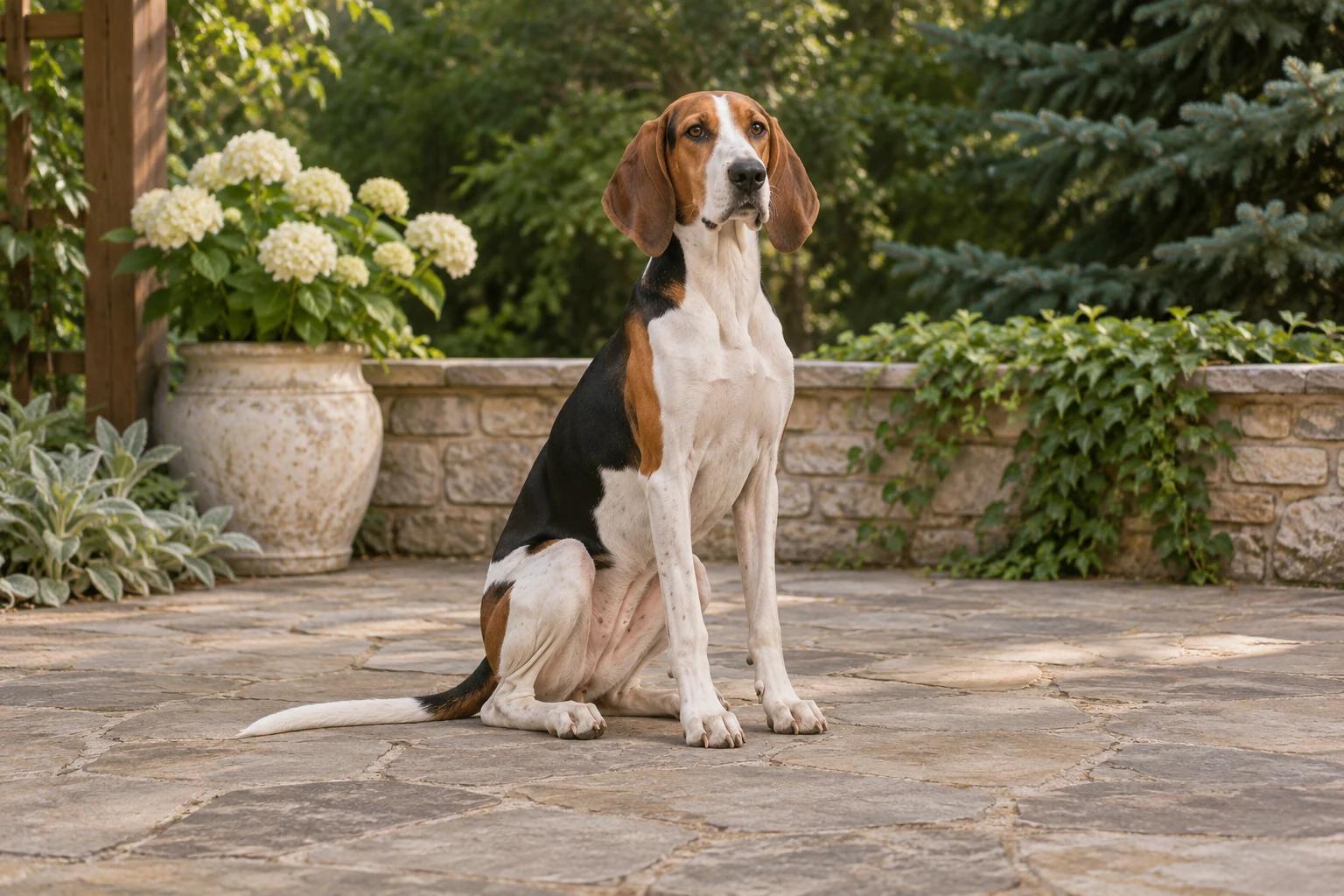
Explore the
Treeing Walker Coonhound
Background, care, and everyday considerations.
View breed profile →Treeing Walker Coonhound training should give an active, involved dog something understandable to do. The current breed profile emphasizes responsiveness to learning, substantial mental engagement and interest in family interaction. Those tendencies are opportunities, not finished skills. A useful approach starts with the individual dog's experience and builds a partnership around clear tasks rather than expecting intelligence to produce manners automatically.
Treeing Walker Coonhound training can begin with the handler
AKC's account of the Treeing Walker Gabby describes an owner who initially wanted a well-behaved travel companion and later participated in obedience and Rally. Help from a training club included improving the handler's communication, not simply asking more of the dog. AKC's Gabby story.
The owner found that repetitive drilling and a stern tone did not suit Gabby. Keeping practice game-like helped her stay engaged. This is one dog's experience, not a universal script for every Walker, but it illustrates why observing the learner matters.
The story also describes a change in the handler's body language helping clarify a difficult movement. Sometimes the next useful adjustment is what the person does, rather than repeating the cue more loudly.
Take the lesson as an invitation to seek feedback on your own timing and signals. A qualified, reward-based instructor can notice details that are difficult to see while handling the dog yourself. Competitive ambitions are optional; learning to communicate more clearly is useful even when the goal is simply a pleasant everyday companion.
Build a small backward step
Best Friends' backing-up exercise begins with the handler facing the dog and making a small step forward. Mark as soon as the dog offers a backward step, remove the forward pressure by returning to the starting position, and then reward. Best Friends backing-up guide.
For a substantial Walker, begin in a clear space where one step is easy to perform. The aim is a voluntary response, not physically pushing the dog or continuing to advance if it appears worried. Stop and seek instruction if the setup does not feel comfortable for either partner.
Once that response is predictable, introduce a consistent verbal cue. The guide then moves toward asking with the word alone and gradually adding further steps. If the dog does not understand the spoken cue, return to an easier stage rather than treating the omission as disobedience.
Later, practice in slightly different places, increasing distractions gradually. A response learned in one quiet room is not automatically established everywhere. Keep the initial achievement modest: one understood step is the foundation for a longer movement, not a failure to produce the finished behavior.
Give the front feet a definite target
AKC's targeting guide uses a low, stable object as a front-paw target. Start by rewarding the dog for noticing and investigating it, then use a food lure to guide the front paws onto the surface. AKC targeting guidance.
For a Walker, the surface must comfortably support the dog rather than wobble or slide. This is a positioning exercise, not a jumping challenge. A low, secure target makes the task about where the paws go, rather than how much height the dog can clear.
Mark and reward while the front paws are on the target. If two paws are initially too much, reward a smaller approach or one paw first. The guide adds a verbal cue after the movement is becoming consistent, then gradually removes the food lure.
Keep the lesson at that straightforward stage until it is comfortable and understood. More elaborate equipment is not necessary to make the task worthwhile. The visible target gives both partners a clear answer to the question of what successful placement looks like, which can be easier to teach than an undefined request to stand somewhere nearby.
Make new experiences manageable
Best Friends emphasizes positive exposure rather than overwhelming a dog with unfamiliar people, objects or situations. The aim is to keep the experience comfortable and pair it with something the dog enjoys. Best Friends socialization guidance.
Treeing Walker Coonhound socialization is therefore not a contest to collect the largest number of greetings. A busy setting can combine movement, sound and unfamiliar people all at once. Start with a manageable version instead of assuming that more exposure must be better.
Distance and intensity matter. Observing something from farther away can be different from standing directly beside it. Watch the dog's response and make the situation easier if it becomes uncomfortable, rather than insisting on completing a planned interaction.
The guidance includes ordinary household and outdoor experiences, not only meeting dogs. Different surfaces, moving objects and routine sounds can all be unfamiliar. For an adult with limited experience, progress may take time. If fear is persistent or difficult to manage, seek qualified behavioral support. The objective is a dog that feels comfortable enough to participate, not one that has merely endured a crowded event.
What useful obedience means in this household
Treeing Walker Coonhound obedience should serve the life you actually share. The current profile describes a dog that often wants to stay close and has substantial interest in activity and learning. That makes everyday interaction an important part of the ownership commitment, not something reserved only for a weekly class.
When thinking about how to train a Treeing Walker Coonhound, keep different traits separate. The profile describes relatively high vocal tendency as well as responsiveness to teaching. Being interested in learning does not imply being silent, and an active personality does not establish familiarity with a particular household routine.
The same distinction applies to social behavior. A favorable other-dog rating does not prove compatibility with every unfamiliar dog. A favorable child-interaction rating is not a safety guarantee. The current reference explicitly calls for individual assessment and supervision, rather than letting a breed label answer every situation.
Choose this breed because that ongoing involvement appeals to you. The dog match quiz helps consider those preferences alongside size and care. For a separate appearance topic, the existing Walker color article explains the breed's recorded coat alternatives.
FAQ
Does a high learning rating mean a Walker arrives trained?
No. The current profile describes a tendency to respond to teaching, not an existing set of household skills. The individual dog's experience still matters.
Does learning ability imply a quiet dog?
No. The profile separately describes a relatively high vocal tendency. Responsiveness and voice are different characteristics and should both inform the ownership decision.
Does a favorable social rating remove the need for supervision?
No. The current profile distinguishes general tendencies from individual compatibility and safety. Supervision and assessment remain necessary, especially around children and unfamiliar animals.
Sources behind this article
- AKC: Gabby the Treeing Walker learning story ↗
- Best Friends: teach backing up ↗
- AKC: targeting foundations ↗
- Best Friends: positive social experiences ↗
Article source checked: November 16, 2026. Source checked 2026-11-16
Keep reading

Affenpinscher Training: Build Useful Everyday Habits
Read article →