The Tibetan Mastiff’s FCI coat description puts quality before quantity
The Tibetan Mastiff standard emphasizes coat texture over volume and describes seasonal undercoat changes. The biggest mane in a photograph is not a complete comparison.
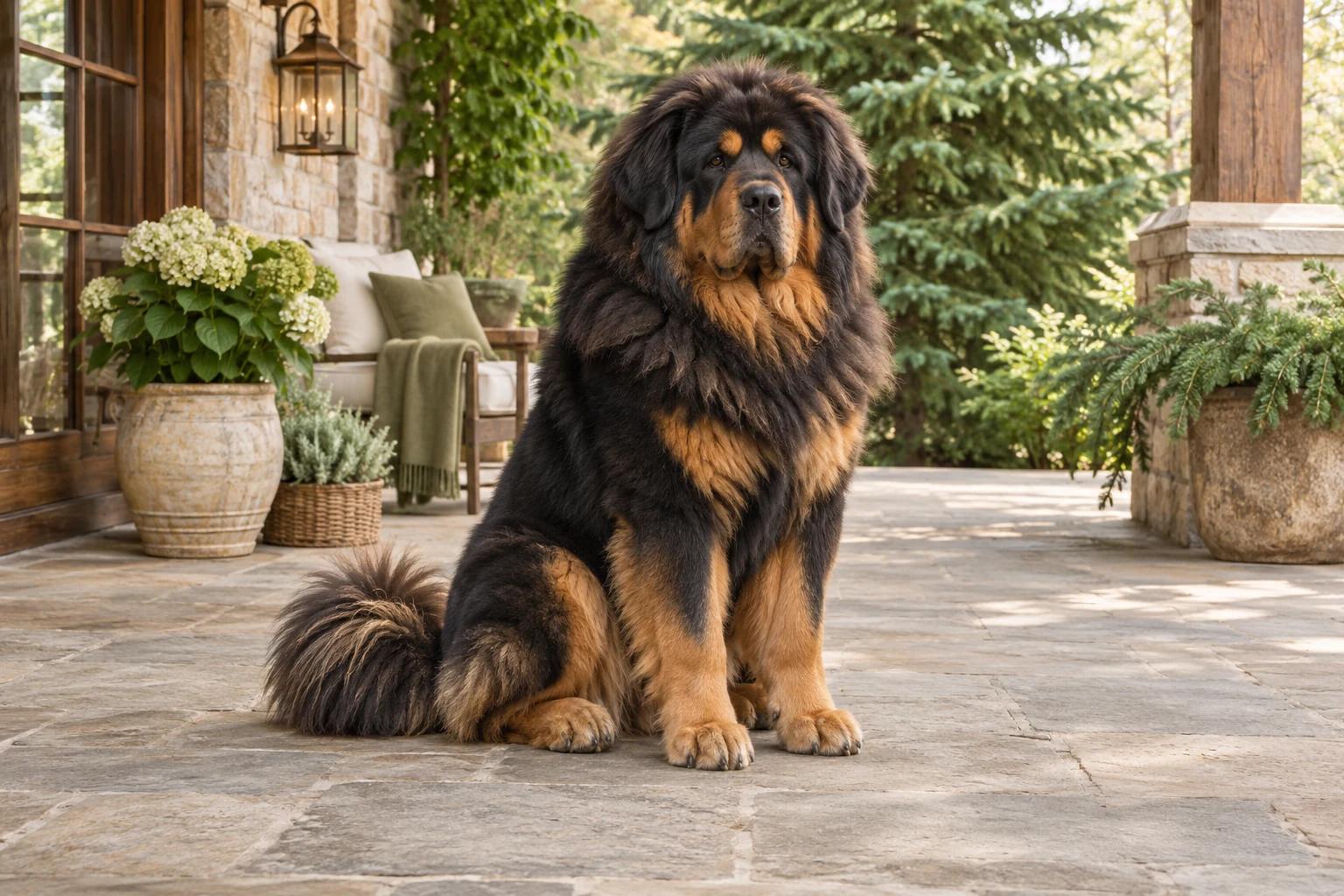
More hair is not the whole objective
The FCI Tibetan Mastiff standard gives coat quality greater importance than quantity. It describes harsh, straight, off-standing hair, with the topcoat not excessively long. The dense, rather woolly undercoat of cold weather becomes sparser in warmer months. These details make texture and season part of the picture.
Compare like with like before judging a photograph
The document also says males carry noticeably more coat than females. When viewing examples, keep the dog’s sex, the date and any known grooming context with the image. A fuller silhouette alone does not explain why two dogs look different.
Ask to see an ordinary photograph as well as a specially prepared portrait. A coat can look impressive on a screen while revealing little about its texture or the work needed to maintain it. For a handover, request a demonstration of the individual’s established care routine.
Do not turn a standard into a care shortcut
The source’s seasonal description does not prescribe a fixed grooming calendar or diagnose a change in an individual coat. Discuss actual maintenance needs rather than assuming that less visible volume means less work.
For a profile introduction, resist ranking dogs by mane size. The standard itself provides a better starting point: understand the described texture and layers, then learn about the particular dog and its routine.
Sources behind this article
Article source checked: October 20, 2026. Source checked 2026-10-20
Keep reading
Tibetan Mastiff vs Newfoundland: Size and Daily Life
Read article →