A Thai Ridgeback’s ridge can have different shapes and lengths
The Thai Ridgeback’s FCI standard allows varied ridge shapes and lengths while requiring symmetry beside the backbone. A single familiar shape is not the whole description.
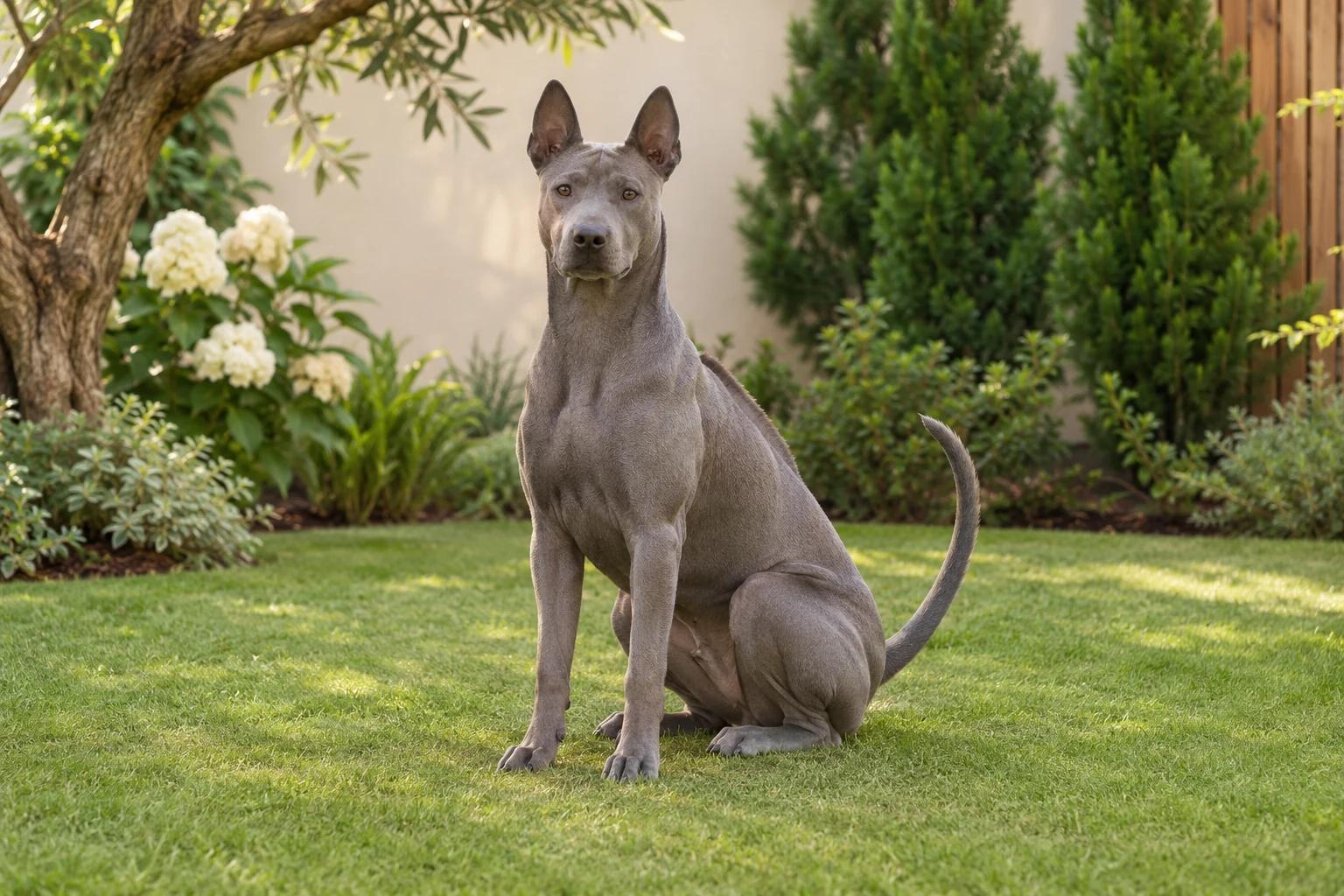
The ridge is a change in hair direction
The FCI Thai Ridgeback standard explains that the ridge consists of hair growing opposite to the surrounding coat. It allows different ridge shapes and lengths, but says the ridge should be clearly defined, symmetrical on either side of the backbone and within the width of the back. Crowns or whirls at its head are accepted.
Compare complete views rather than favorite outlines
For a reference collection, keep the entire ridge visible from its beginning to its end. A close crop can make it difficult to compare the two sides or understand how the ridge sits on the back. Note whether the dog is standing straight or turning.
Do not assume that an unfamiliar outline is excluded merely because it differs from the example you first learned. Return to the stated requirements instead of using one photograph as a universal template.
Keep an appearance description within its limits
A ridge photograph cannot establish ancestry or replace an individual examination. If a keeper provides records or an assessment, consider those separately from the visible hair pattern.
For a breed introduction, describe the direction change and the allowed variation without assigning unsupported significance to a particular shape. The source explains a distinctive feature; it does not make ridge size a measure of temperament, health or suitability for a household.
Sources behind this article
Article source checked: October 20, 2026. Source checked 2026-10-20
Keep reading
Thai Ridgeback vs Rhodesian Ridgeback: Key Differences
Read article →