Thai Bangkaew Temperament: Watchfulness and Company
Explore Thai Bangkaew temperament through watchfulness, unfamiliar people, other-dog company and activities that engage the individual companion.
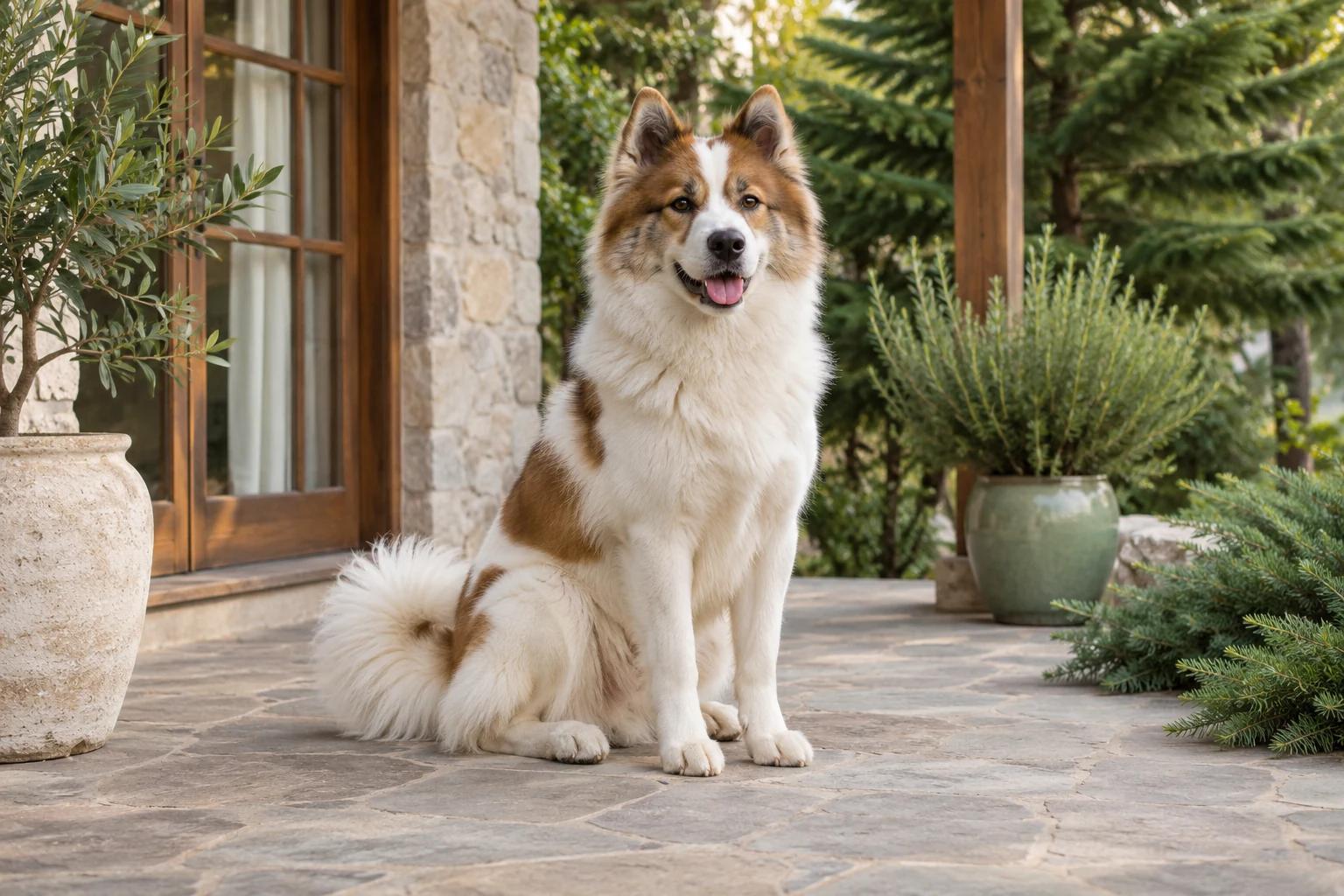
Thai Bangkaew temperament deserves a closer look than the word “loyal” provides. The Thai Bangkaew profile places watchfulness high and openness to unfamiliar people low, while activity, playfulness and mental engagement sit in the middle. A dog can be interested in its surroundings without wanting to approach everyone in them. For a prospective owner, that distinction affects walks, visitors and shared activities more directly than an appealing portrait does.
The profile's training guidance emphasizes motivation and consistent practice. Think of character as something you learn about through everyday situations, not a fixed promise attached to the breed name. Familiar company, unfamiliar people and other dogs are separate parts of that picture.
Thai Bangkaew temperament in the standard
FCI describes an alert, intelligent, loyal companion. FCI: Thai Bangkaew Dog standard.
Reserve is not a reason to ignore signs of fear
VCA explains that a dog may become still, look away, retreat or hide when uncomfortable with people or animals. Stiffening during contact can be an attempt to end the interaction, not proof that the dog accepts it. VCA: fears involving animals and people.
For a Bangkaew that is hesitant with someone new, leave room for the dog not to interact. Stop if it becomes frightened rather than holding it in place for a greeting. Pleasant experiences depend on the dog's response; the number of people met is not the measure of success.
If fear is pronounced or increasing, involve the veterinarian and a qualified behavior professional. Medical discomfort can contribute, and repeated encounters without relief can make responses more intense. Avoid scolding a worried dog for moving away. Arrange situations that do not force it beyond what it can manage while you obtain advice. Recognizing fear does not mean declaring the whole breed fearful: it means responding appropriately to the individual in front of you, rather than explaining every uncomfortable interaction as normal breed character.
Other-dog company should fit the individual
VCA distinguishes controlled social opportunities from simply placing a dog in a busy group. Compatible partners, supervision and the ability to leave matter. A puppy trying to escape should not be pursued until it “gets used to” the experience. VCA: social groups for dogs.
The same principle is useful for a Bangkaew whose current breed profile gives a middle-range other-dog reference. A carefully chosen compatible companion may suit it better than an unpredictable public group. Social learning can also mean being comfortable near dogs without playing with them; a suitable reward-based class can teach that distinction.
Observe what the dog actually enjoys. If it repeatedly retreats or hides in a social setting, leave rather than treating endurance as improvement. A dog with a history of snapping or lunging needs professional assessment before group play. Ask the veterinarian about appropriate health precautions for puppy activities. The aim is a positive experience suited to the dog's stage and behavior, not a social calendar that looks impressive to people. More dogs in the space do not automatically mean more useful companionship.
Give the dog an interesting search rather than constant instructions
The AKC's virtual scent-work teaching guide starts with a valued treat or toy in plain view. Let the dog obtain it, then introduce a search cue as it moves toward the item. Increase distance before making the hiding place more difficult. AKC: teaching virtual scent-work searches.
For a Bangkaew that enjoys investigating, this offers a way to participate without a stream of position commands. Begin with an obvious success in a quiet room. Once that is understood, try an easy concealment, such as behind a chair leg, rather than hiding something so thoroughly that the dog cannot solve the task.
Keep difficulty gradual and reward finding the object. A toy-motivated dog can enjoy the toy itself as part of the outcome. Later, someone else can place a hide so you do not unintentionally guide the dog toward it. This is an optional activity, not a claim that every Bangkaew is a detection specialist. There is no need to enter a test or obtain a title to enjoy a simple, achievable household search together.
Interpret the profile as several separate tendencies
Thai Bangkaew personality is not captured by a single high or low score. The current reference combines high watchfulness with low vocal tendency. Those are not contradictory descriptions: noticing a change and making noise are different behaviors. Do not choose the breed expecting silence, but do not assume attentiveness must always mean repeated barking either. Ask how the particular dog responds to ordinary changes around its home.
Activity and playfulness are also distinct from vigilance. A watchful dog is not necessarily asking for an athletic game every time it looks toward a sound or movement. The current activity reference is moderate, so consider a mix of outings, learning and rest rather than equating alertness with nonstop exercise.
Thai Bangkaew characteristics include a low adaptability reference. If you prefer a companion that can immediately join a succession of unfamiliar settings, examine that expectation carefully. The important question is how the individual manages change, not whether it can be made to match a lifestyle chosen before meeting it.
Physical scale also belongs in the decision. Adult females are currently listed at 35–40 pounds and males at 40–43 pounds. A Thai Bangkaew behavior plan should account for an adult of that size, not only for the ease of managing a puppy. Neither sex-qualified weight nor a temperament label establishes compatibility with children or another animal.
The dog quiz can help clarify your preferences. For an unrelated appearance topic, the Thai Bangkaew head-markings article explains how to interpret a particular standard provision.
Frequently asked questions
Does a watchful Thai Bangkaew necessarily bark constantly?
No. The current profile separates high watchfulness from low vocal tendency. Individual dogs still bark, but noticing the surroundings and vocalizing are not the same trait or a single measure of temperament.
Does moderate activity mean this dog needs no mental work?
No. The current profile recommends learning and problem-solving alongside physical activity. Its middle-range activity reference should not be interpreted as a reason to omit engagement from everyday life.
Is the Thai Bangkaew automatically comfortable with unfamiliar people?
No. The current profile describes patient introductions and low openness to new people. Familiar relationships do not establish how an individual dog feels about a visitor it has never met.
Sources behind this article
- FCI: Thai Bangkaew Dog standard ↗
- VCA: fears involving animals and people ↗
- VCA: social groups for dogs ↗
- AKC: teaching virtual scent-work searches ↗
Article source checked: November 16, 2026. Source checked 2026-11-16
Keep reading
Thai Bangkaew Size: Adult Weight, Height and Build
Read article →