Thai Bangkaew Size: Adult Weight, Height and Build
Understand Thai Bangkaew size with male and female adult weight and height ranges, body proportions, growth context and practical measurements.
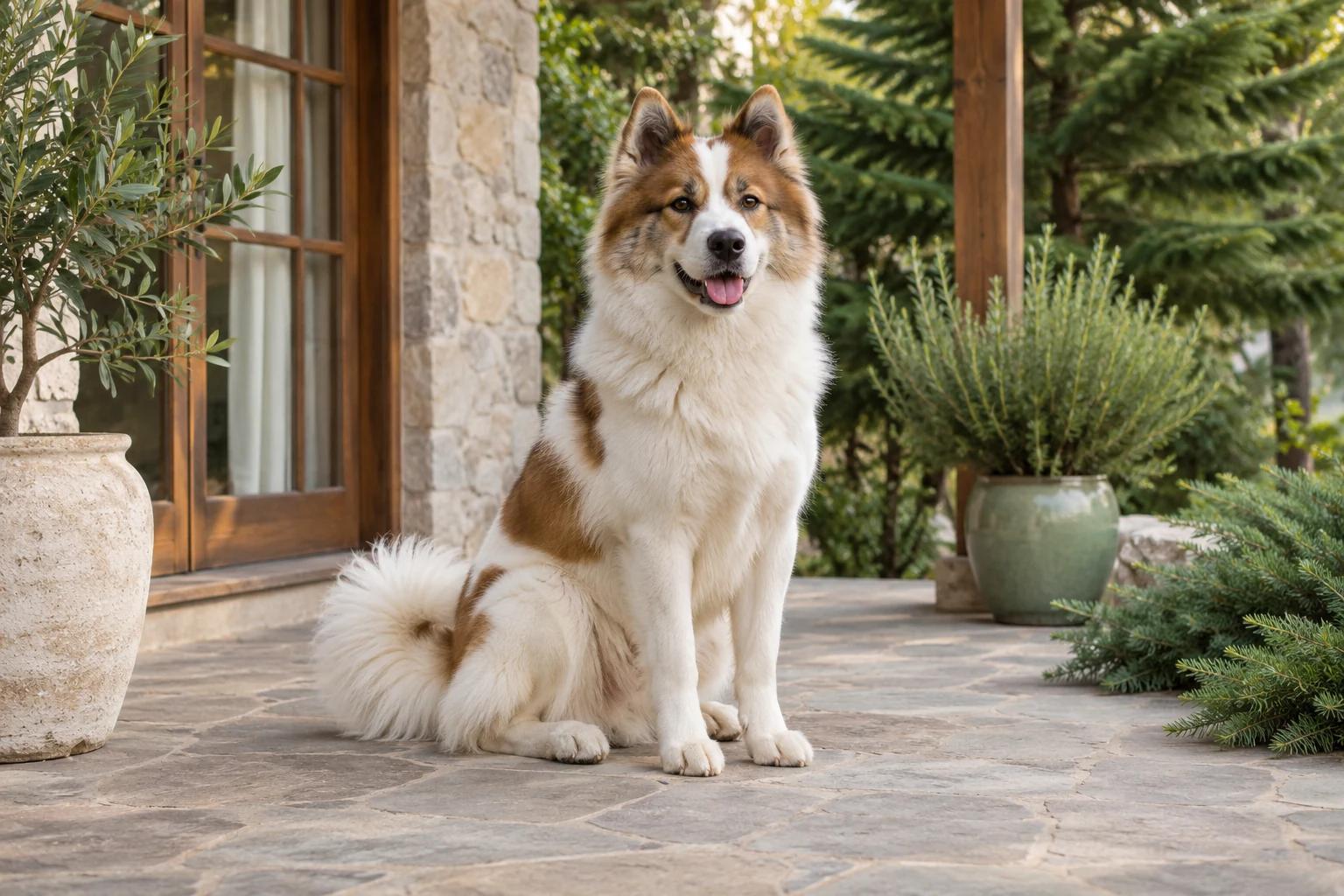
Thai Bangkaew size is best understood with separate male and female figures. The current Thai Bangkaew profile lists adult males at 40–43 pounds and 18–21 inches, and females at 35–40 pounds and 16–19 inches. Those are reference ranges, not a forecast for a particular puppy. They describe a substantial companion whose dimensions deserve more attention than a general “medium dog” label provides.
Thai Bangkaew size includes a balanced, square frame
The FCI describes body length and shoulder height in an approximately equal relationship. The legs should not look abbreviated: their length is slightly greater than chest depth. A fairly broad chest reaches the elbows, the back is level, and the belly has only a modest tuck. FCI: Thai Bangkaew Dog standard.
The standard also describes stronger bone in males. This does not mean that extra body fat is desirable or that every male must outweigh every female. Structure is about the frame, not simply the number on a scale.
The neck and shoulder ruff, feathering and plumed tail contribute to the visible outline, with more pronounced furnishings in males. Look at the underlying proportions rather than assuming every impressive outline represents a larger skeleton. The standard asks for coat that does not obscure body shape. A well-placed side view of an adult can help you recognize this balance; a front-facing portrait alone gives much less information about length, chest depth and leg proportions.
Muscle and body weight are not interchangeable
WSAVA's muscle-condition chart distinguishes normal muscle from mild, moderate and severe muscle loss. Assessment involves both looking and feeling over several anatomical areas, including the spine, shoulder blades, skull and pelvis. A heavier dog can still have muscle loss, while a lean dog does not necessarily have the same problem. WSAVA: canine muscle condition score.
This matters when interpreting Thai Bangkaew weight. An adult's position within a breed range cannot tell you whether its muscle condition is appropriate. Nor does a stable scale reading prove that the body's composition has stayed the same. Ask the veterinarian to assess muscle alongside other aspects of condition.
Use that conversation to understand the individual dog rather than assigning a score from a photograph. Palpation can be especially important where changes are subtle or excess weight makes them harder to see. A breed-size guide helps describe likely dimensions; a clinical assessment answers a different question. Neither should be used as a shortcut for the other, particularly when an adult's appearance changes.
Growth should not be a race toward the adult figure
Tufts veterinary nutrition guidance explains that growing puppies have requirements different from those of adults. Growth is not perfectly uniform: spurts and plateaus occur, and an excess of calories can accelerate growth before a puppy obviously looks overweight. Tufts: puppy growth guide.
For a Thai Bangkaew puppy, reaching the adult range early is therefore not an achievement to encourage. Do not add food simply to make a youngster resemble a mature dog. Ask the veterinary team how to judge its growth and nutritional needs over time.
The Tufts guide recommends accurate weighing and warns against relying on subtraction from a human bathroom scale while holding the puppy. Use suitable equipment or veterinary weigh-ins rather than treating inconsistent measurements as a change in growth. When progress seems unusually slow or fast, discuss it with the veterinarian: food intake is not the only possible explanation. Avoid changing food or supplements on the basis of a breed table alone. The aim is appropriate development for that puppy, not matching another puppy's photograph or pace.
Body measurements matter when fitting equipment
The AKC's measuring guide distinguishes back length, chest circumference and neck circumference. For chest girth, measure around the largest part of the rib cage, usually behind the front legs, with the dog standing. A collar and a harness do not necessarily use the same measurements. AKC: measuring for clothes and gear.
A Thai Bangkaew's adult weight does not translate directly into a harness label. Two dogs at the same weight may need different adjustments. Check the particular design's instructions, because one chart may describe the dog's dimensions while another describes the equipment itself.
Use the measurements as a starting point, then assess the actual fit rather than assuming “medium” means the same thing across brands. The guide recommends leaving comfortable room rather than tightening the tape against the body. An adjustable design can accommodate differences between listed sizes, but a label is never a substitute for fitting the item on the dog. Remeasure a growing youngster instead of carrying an early puppy measurement forward indefinitely. Equipment should fit the current body, not the adult body you expect later.
Read the male and female ranges together
The answer to “how big do Thai Bangkaews get” is not one universal maximum. The current male and female weight ranges meet at 40 pounds. Their height ranges overlap from 18 to 19 inches. That overlap is useful: it shows why sex alone cannot tell you which of two individual dogs will look taller or more substantial.
Thai Bangkaew height and weight also describe different dimensions. A dog near the upper end of its height range need not sit at the upper end of its weight range. Combining the tallest listed height with the heaviest listed weight creates an imaginary example, not a guaranteed adult outcome.
For someone choosing an adult, the dog's actual measurements are more informative than trying to place it precisely at the middle of a range. For someone choosing a puppy, the figures establish a realistic scale of companion without promising an exact endpoint. Do not turn the lower figure into a target for keeping the dog small or the higher one into a target for making it impressive.
Use the dog quiz to consider the broader commitment. The separate Thai Bangkaew head-markings article explains an appearance topic that should not be confused with body size.
Frequently asked questions
How much does an adult male Thai Bangkaew weigh?
The current reference lists males at 40–43 pounds. This is an adult breed range, not a prescribed weight for every male or a guarantee about a puppy's eventual size.
How tall are female Thai Bangkaews?
The current female height reference is 16–19 inches. Males are listed at 18–21 inches, so the ranges overlap rather than describing two completely separate height categories.
Can a female be as heavy as a male?
Yes. The current female range is 35–40 pounds and the male range is 40–43 pounds, meeting at 40 pounds. Use actual individual measurements rather than assuming sex establishes a precise size difference.
Sources behind this article
- FCI: Thai Bangkaew Dog standard ↗
- WSAVA: canine muscle condition score ↗
- Tufts: puppy growth guide ↗
- AKC: measuring for clothes and gear ↗
Article source checked: November 16, 2026. Source checked 2026-11-16
Keep reading
Thai Bangkaew Temperament: Watchfulness and Company
Read article →