Taiwan Dog Training: Clear Skills for an Active Companion
Build Taiwan Dog training around clear feedback, calm doorways, a separate stop response and gradual positive socialization.
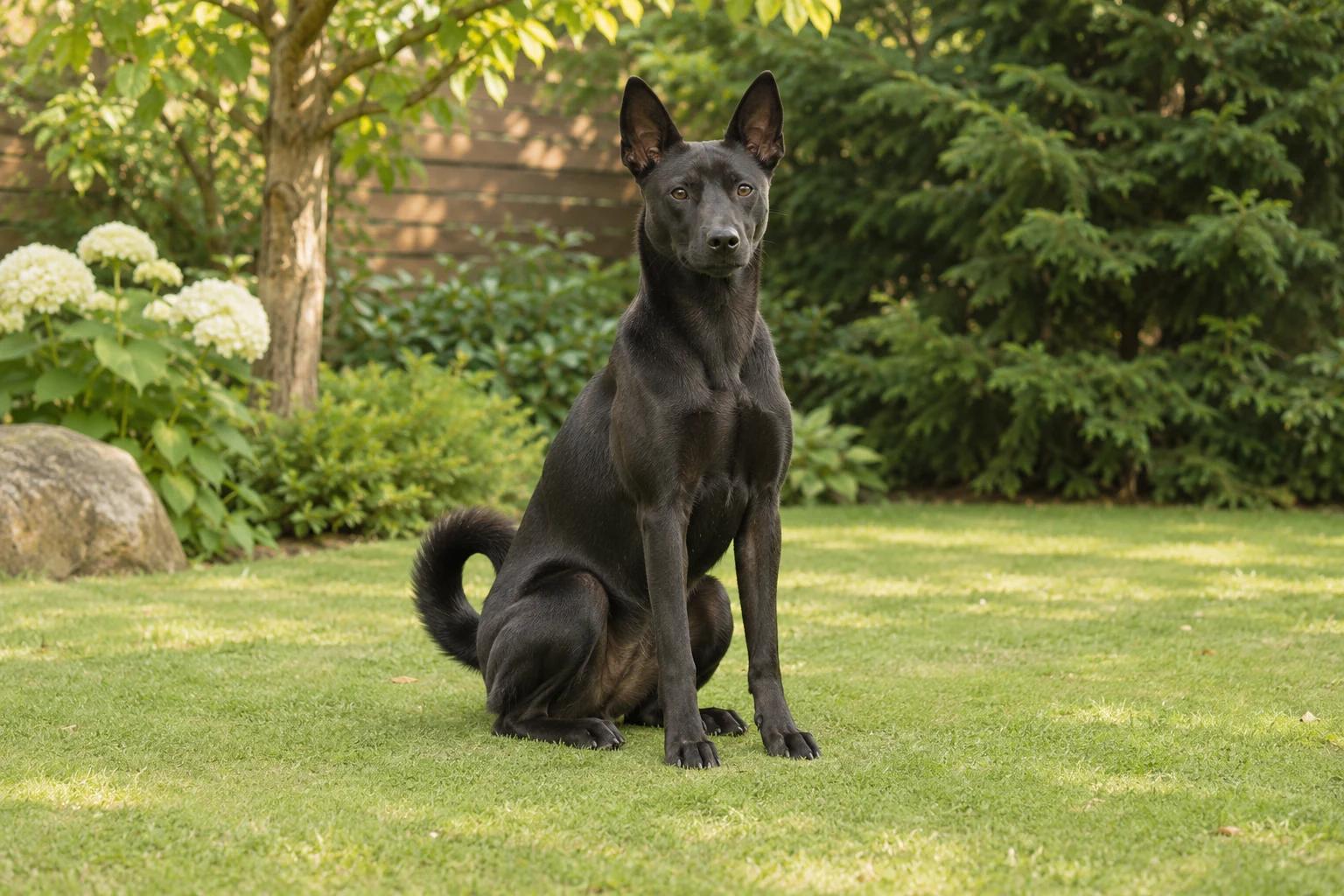
Taiwan dog training should turn an active, observant companion's potential into useful everyday responses. The Taiwan Dog profile records responsiveness to training at 4/5, activity at 5/5 and mental engagement at 4/5. None of those references means a puppy already knows household rules or an adult understands a new person's cues. They indicate that learning belongs in the ownership plan, alongside physical activity, rather than being treated as an occasional correction when something goes wrong.
Taiwan Dog training starts with precise feedback
VCA explains that a marker, such as a click or a short word, becomes meaningful by consistently predicting a reward. It should identify the instant the desired action happens, with the reward following. A click is not a substitute for the promised reinforcement. VCA: clicker and target training.
For an observant Taiwan Dog, precise feedback helps distinguish the response you wanted from everything happening nearby. If you are rewarding a sit, mark when the dog sits, not several moments later after it has stood up to investigate something else. The timing supplies information that a long stream of praise may not convey clearly.
Choose a sound that does not alarm the individual. A short verbal marker can be an alternative to a mechanical click. Pair it with rewards before expecting it to carry meaning during a new lesson. Keep the task small enough that the dog can succeed, then build from there. The useful skill is clear communication, not owning a particular device. If you use a marker, follow through reliably; otherwise the sound becomes less informative precisely when you want the dog to understand what earned the reward.
Make the doorway a lesson before it becomes an exit
Dogs Trust recommends starting doorway practice in a calm setting, using an interior door if the front entrance is too exciting. Reward calm behavior with the lead loose, then introduce touching the handle and opening the door a small amount before increasing the opening. Dogs Trust: doorway training.
For a Taiwan Dog whose activity reference is high, leaving the house can be an important part of the day. The task is to make the sequence understandable rather than expecting patience simply because you need time to find the keys. Practice when there is no urgent departure.
If the dog pulls forward or jumps, return to an easier version instead of opening the door farther and hoping excitement will disappear. Keep the dog securely on lead, and never close a door onto it. The reward can include proceeding through the doorway once the dog is comfortable waiting. After crossing, reward attention on the other side as well. Calm passage is a learned sequence, not a contest about which individual goes first. A less exciting doorway gives both of you room to learn before adding the outdoor environment.
Teach stopping as a distinct response
Battersea's emergency-stop lesson begins at a short distance. As the dog approaches, the handler raises a hand and tosses a reward behind the dog, encouraging it to stop and turn. Once that response is predictable, a stop cue is added; later, the handler walks over to reward the dog for remaining where it stopped. Battersea: emergency stop.
For Taiwan dog obedience, the distinction matters: returning to you and stopping where it is are different actions. Do not assume that a familiar recall word teaches both. Practice in a secure, quiet place where a mistake does not expose the dog to a road, livestock or an approaching animal.
Build the response before relying on it around distractions. The final goal is not merely slowing briefly before continuing toward you, but remaining at the stopping point while you approach. This is an additional skill, not a replacement for a lead, fencing or sensible management. An impressive practice repetition is not evidence that the dog will respond identically in an emergency. Keep ordinary safety measures in place while the lesson becomes more familiar and seek instruction if the progression is unclear.
Socialization is gradual experience, not compulsory contact
USDA describes socialization as positive, gradual exposure to people, animals and varied surroundings. Its guidance includes unfamiliar sounds, clothing, moving objects and travel experiences, not only meetings with other dogs. Puppies should be allowed to approach and retreat at their own pace. USDA: canine socialization.
For Taiwan dog socialization, this means planning manageable experiences rather than a crowded tour designed to cover every possibility at once. A person wearing an unfamiliar coat or a bicycle passing at a comfortable distance can be relevant without requiring the dog to touch either. Introduce a small number of new things at a time so the experience remains understandable.
Adults also benefit from continued positive experiences. A history of early exposure is not a reason to ignore how the dog feels about a new environment now. If it freezes, hides or tries to escape, reduce the pressure instead of treating remaining in the situation as success. The aim is learning to cope comfortably, not accumulating encounters. For a puppy, coordinate appropriate exposure with your veterinarian's health guidance, and seek qualified behavioral support if fear or aggressive responses are making the process difficult.
Read the breed references without expecting instant obedience
When considering how to train a taiwan dog, keep the profile's categories separate. Responsiveness to training is not the same as openness to unfamiliar people, which is listed at 3/5. Interaction with other dogs is also 3/5. Neither social category promises that every visitor or canine classmate will be a welcome training partner.
Physical scale matters too. The adult reference is 26–35 pounds for females and 31–40 for males, with an overall height interval of 17–20 inches. Choose the commitment with that adult in mind rather than picturing only the puppy you first meet.
Use the breed quiz to consider the wider match. The separate Taiwan Dog tail article explains an appearance detail; physical resemblance does not tell you which lessons a dog has already learned.
Frequently asked questions
Does a 4/5 training reference mean my Taiwan Dog arrives trained?
No. It is a broad tendency, not a record of learned skills. A particular dog's experience matters more than assuming that a breed score supplies an understanding of your household.
Does the training reference also guarantee sociability?
No. The current profile separates responsiveness to training from openness to new people and interaction with other dogs. The latter two references are both 3/5, and individual compatibility still matters.
What adult size should I consider before choosing the breed?
Females are listed at 26–35 pounds and males at 31–40, with a combined height reference of 17–20 inches. These are adult ranges rather than predictions for a particular puppy.
Sources behind this article
- VCA: clicker and target training ↗
- Dogs Trust: doorway training ↗
- Battersea: emergency stop ↗
- USDA: canine socialization ↗
Article source checked: November 16, 2026. Source checked 2026-11-16
Keep reading

Affenpinscher Training: Build Useful Everyday Habits
Read article →