Sphynx vs Donskoy: Similar First Impressions, Different Breeds
Compare Sphynx vs Donskoy histories, coat variation and daily responsibilities without copying skin routines or promising allergy suitability.
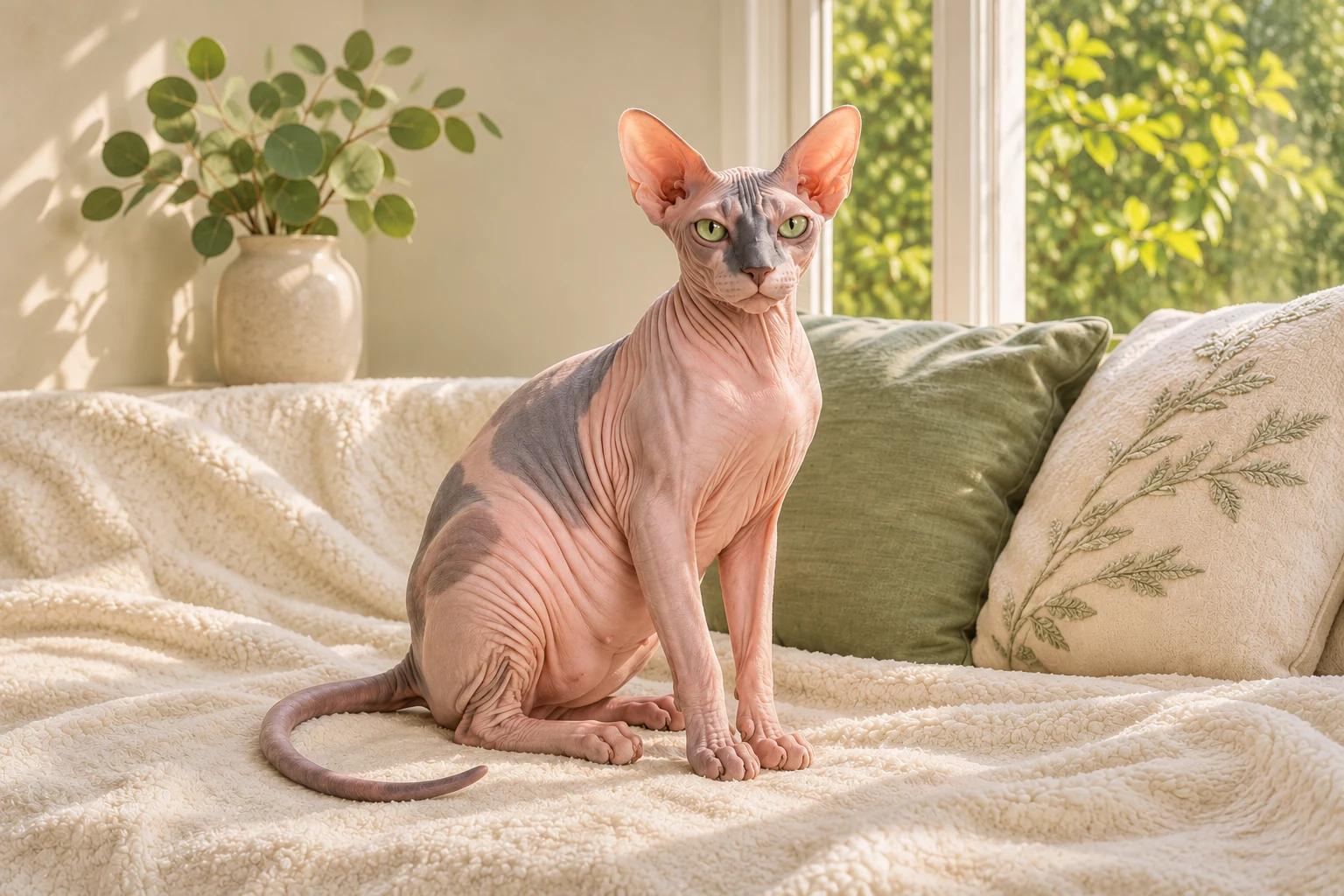
Sphynx vs donskoy is a comparison between distinct breeds that can look superficially similar because of limited hair. That resemblance should not turn their names, histories or care instructions into interchangeable labels. TICA describes variable fine hair in the Sphynx and several named Donskoy coat types, some retaining more hair than others. A photograph cannot establish the skin-care plan an individual needs.
If you are considering a sphynx or donskoy, begin with documented identity and actual responsibilities. This guide compares breed context without prescribing a bathing interval, ranking health or claiming that limited hair establishes allergy suitability.
Sphynx vs Donskoy: distinguish the documented identity
TICA describes Sphynx development in North America and Donskoy foundation in Rostov-on-Don, Russia. These are separate breed histories, even though older terminology around the Donskoy includes Don Sphynx. Similar names and exposed skin do not establish that two animals share the same background.
Read the Sphynx profile and Donskoy profile. Ask what records support the individual's description instead of using wrinkles or the amount of visible hair as a pedigree test.
The difference between sphynx and donskoy also matters when somebody shares care advice. Establish which animal and coat the advice concerns before applying it elsewhere. An anecdote about one cat is not an instruction for every breed with a similar appearance.
Compare coat variation before discussing tools
TICA's Sphynx account allows fine down and some residual hair. Its Donskoy account names rubber bald, flocked, velour and brush coats, with different amounts and patterns of retained hair. Those categories provide context without predicting every individual's appearance from one early photograph.
Ask the caregiver to describe the coat now and explain any established changes. Keep that history distinct from an unexplained skin concern. A category describing hair loss should not become a reason to diagnose every new patch or ignore irritation.
The practical comparison concerns the actual routine: what is checked, what handling is involved and when help is needed. It is not a contest to decide which animal looks more completely hairless or requires fewer supplies.
Keep care instructions in their individual scope
The current Sphynx profile discusses oily skin and regular bathing while explicitly asking for an individual routine. The Donskoy profile retains published wiping and bathing descriptions for hairless coats alongside the variation in coat types. These should not be flattened into one universal schedule for both breeds.
Request a demonstration and review the plan with the veterinary team. VCA's general coat-care guidance also emphasizes variation in bathing needs. Appropriate products and handling concern the individual, particularly where a skin problem or difficult response is involved.
This comparison gives no cleaning mixture or treatment procedure. A sitter should know the established instructions and whom to contact, rather than being asked to experiment because both cats appear to have exposed skin.
Learn about contact without requesting tolerance
Both registry accounts describe social interest. Ask what the actual animal chooses during familiar daily life: nearby rest, a game, brief touch or more distance. A donskoy vs sphynx decision cannot be made from a promise of unlimited cuddling.
During a meeting, allow an approach and a departure. Being soft or unusual to touch is not permission to keep handling an animal that leaves. Adults should guide children and explain which resting places are undisturbed.
Ask about necessary care separately from ordinary affection. A cat may enjoy nearby company while needing a different arrangement for a particular cleaning task. Do not use restraint during a visit to demonstrate that a breed is supposedly easy to handle.
Discuss activity and absences honestly
The profiles describe active companions with substantial involvement needs. Ask which familiar opportunities the individual uses and how those are maintained while people are occupied. Another animal is not an automatic replacement for a relationship or a guarantee of compatibility.
FelineVMA's indoor-cat guidance brings play together with retreat and resources. Prepare those choices for either candidate. A home can contain many people while still offering the animal little control over contact, rest or access to essentials.
Plan introductions around the actual residents with suitable guidance. Separate resources and retreat should remain usable while the relationship is assessed. One apparently friendly encounter does not establish that every management arrangement can be removed.
Keep medical questions outside an appearance ranking
Request the individual veterinary history and ask appropriate professionals about any screening information. Registration, an attractive coat category or one negative result cannot certify general health. This comparison does not say one breed is universally healthier.
Likewise, limited hair cannot settle a household allergy decision. The appropriate clinician should advise the person involved. Do not arrange exposure as a home test or apply a registry's marketing assurance to somebody's medical needs.
A new skin, activity or handling concern deserves veterinary advice. Do not assume the explanation is simply the breed, the weather or a missed cleaning session. Describe the actual change and follow the professional plan.
Compare the ongoing responsibilities
The existing Sphynx temperature-comfort guide addresses a separate seasonal environment task. Use it for that discussion rather than treating this identity comparison as a heating or sun-protection manual.
The cat quiz can organize broader preferences. Then write down each candidate's familiar care task, accepted contact, activity and backup arrangements. Keep unresolved questions visible before commitment, especially when the initial appeal is largely visual.
A useful comparison makes the responsibilities clearer while leaving the individual ahead of the label. Similar first impressions do not remove the need to learn two distinct histories and, more importantly, the particular cat's current care.
Frequently asked questions
Are Sphynx and Donskoy interchangeable names?
No. TICA describes distinct breed development. Similar appearance and historical naming do not establish identical identity or care.
Are all individuals completely hairless?
No. Sphynx may have fine down or residual hair; Donskoy descriptions include several coat types with variable hair. Ask about the actual animal.
Should both follow the same bathing schedule?
Do not copy one universal interval between them. Learn the individual routine with the caregiver and veterinary team, keeping coat type and concerns in view.
Can limited hair guarantee allergy suitability?
No such guarantee is made. Keep the household medical decision with the appropriate clinician rather than choosing from coat appearance.
Sources behind this article
- TICA: Sphynx ↗
- TICA: Donskoy ↗
- VCA: Grooming and coat care ↗
- FelineVMA: Indoor cats position statement ↗
Article source checked: November 20, 2026. Source checked 2026-11-20
Keep reading

Abyssinian vs Somali: Coat, Size and Everyday Company
Read article →