Sokoke Cat Size: A Lean Build Without an Invented Measurement Chart
Understand Sokoke cat size through the FIFe body description and individual records, without inventing weight intervals, height or feeding targets.
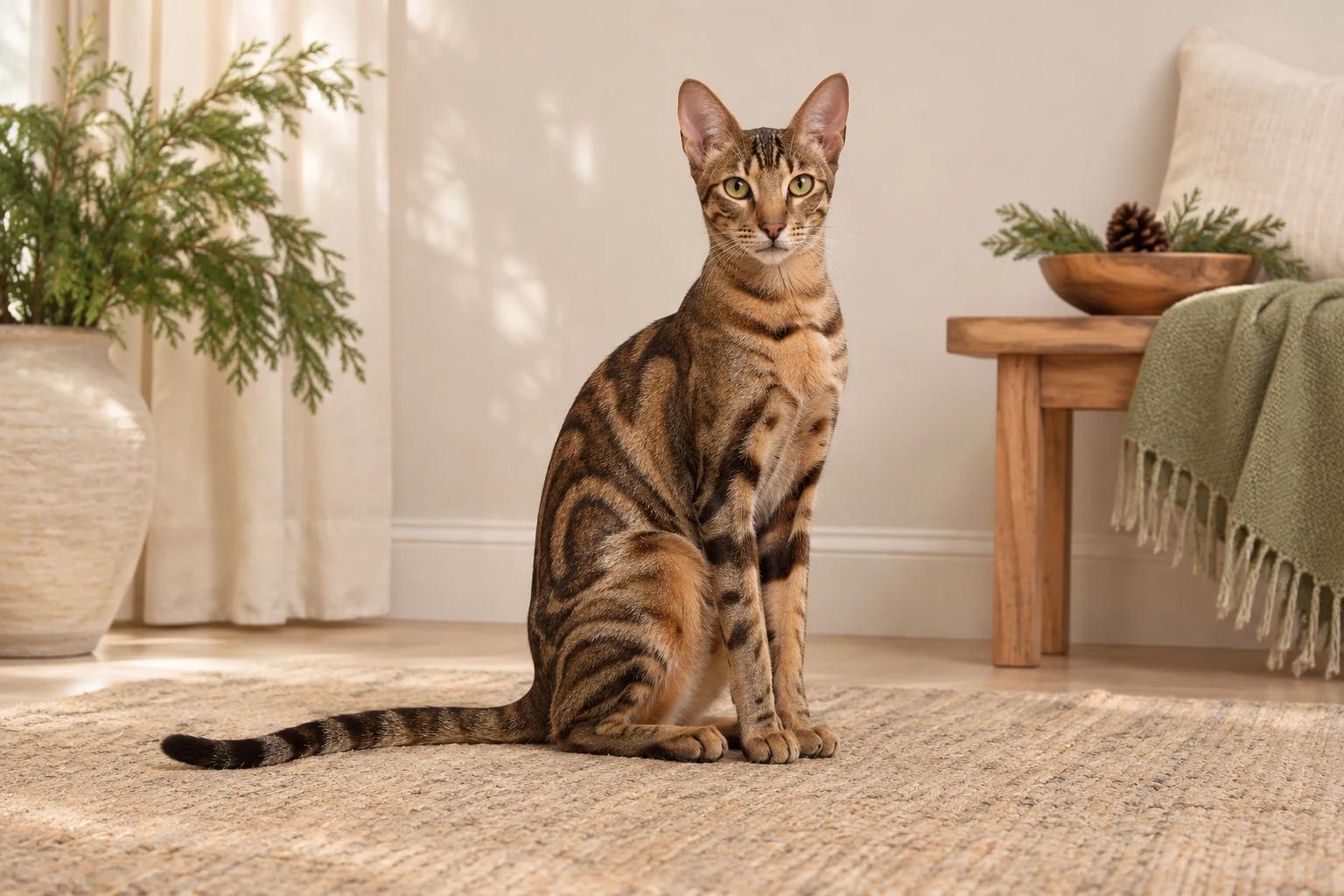
Sokoke cat size is described by FIFe as medium, with a long, lean body and long legs. That qualitative description is the basis used here. The FIFe breed account does not supply a numerical adult weight or shoulder-height interval for this guide, so those empty fields should not be filled by guessing from photographs or unrelated shorthaired cats.
This article explains what a sokoke cat weight question can still help you do: gather the individual's records, choose suitable equipment and recognize where professional advice is needed. Practical preparation does not require pretending that every breed description contains a complete measurement table.
Sokoke cat size: start with the shape actually described
FIFe describes a medium-sized, long and thin body, with hind legs longer than the front. The Sokoke profile retains the lean, long-legged context. Those words explain an outline; they do not establish a particular cat's body condition.
Ask about the actual animal's age and dated measurements where available. A clinic weight belongs to that individual and date. It should not be relabeled as the normal weight of all Sokokes or used to predict every kitten's adult result.
A tall-looking stance in a photograph also depends on angle and posture. Do not derive shoulder height from ear position or nearby furniture. An attractive image can introduce the animal without supplying the measurements needed for a particular equipment decision.
Separate three questions before buying equipment
First, what is known about the individual? Second, what does the equipment manufacturer specify? Third, can the cat use the item comfortably for its intended purpose? Those questions overlap, but one answer cannot replace the others.
For example, a load rating does not tell you whether an entrance is awkward. A generous outer dimension may conceal a smaller usable surface. A breed's medium label does not explain how the actual cat turns, rests or travels.
Ask which equipment is familiar and why it works. That history can make replacement choices clearer. You may discover that the useful feature was an entrance arrangement or stable surface rather than the product category someone associated with the breed.
Choose a carrier around ordinary use
Consider interior room, access, closure and secure handling alongside the stated load limit. Learn how the individual currently travels and who will carry the combined weight. Follow assembly and transport instructions rather than assuming a lean cat is always light or easy to handle.
If handling is difficult, ask for appropriate advice before the journey. Do not repeatedly position an unwilling cat to obtain every possible measurement. The purpose is dependable necessary care, not completion of an online chart.
Keep the veterinary appointment and transport plan connected. A carrier chosen for appearance may create avoidable uncertainty when time matters. Ask questions while there is time to understand the equipment and the animal's needs.
Support a long-legged climber without setting a target
The Sokoke profile emphasizes climbing and daily activity. Choose stable equipment and manageable routes, with a useful way down and places to rest. Follow installation and load instructions even when the animal looks athletic.
A long-legged outline does not certify a particular jump. Essential resources should remain accessible without a demanding route. Consider whether another cat could block access or turn a narrow connection into an unavoidable encounter.
If a familiar movement changes, seek veterinary advice rather than deciding the cat has become too large or needs another attempt. Equipment can be reviewed while the cause of a concern remains a separate clinical question.
Why no Sokoke cat height interval is supplied
The reviewed FIFe account describes long legs and overall form but provides no verified shoulder-height interval used here. Shoulder height, body length and height to the ear tip are different measurements. Swapping them would create false precision.
For people asking “how big do sokoke cats get?”, that limit may be less convenient than a tidy number. It still leaves useful action available: request the individual's records and identify the fit question you actually need answered.
Do not encourage the animal through a narrow opening or onto uncertain furniture as a measuring test. Inspect the arrangement and obtain suitable help. A practical answer should reduce uncertainty without creating an unnecessary demand on the cat.
Lean appearance is not a feeding instruction
Cornell's feeding guidance emphasizes individual variation and veterinary help with an appropriate weight. A breed description cannot tell you how much to feed, and the absence of a numerical interval is not a reason to borrow one from another breed.
Bring dated records and changes in appetite, activity or measured weight to the veterinary conversation. This article gives no calorie calculation, supplement recommendation or plan to increase muscularity. The aim is appropriate individual care rather than matching an outline in a registry illustration.
Where meals are shared, keep current instructions available to everyone helping. Several people independently adjusting portions to make the cat look less thin or more substantial can obscure what it actually receives. Clear records support assessment without becoming the assessment.
Include the relationship in the preparation
FIFe describes strong Sokoke bonds and possible adjustment difficulties when established relationships change. Body size does not tell you how easily the individual will accept a move or an unfamiliar handling routine. Discuss continuity with the caregiver or rehoming organization.
The existing Sokoke secure-access guide considers a different environmental task. It should not be read as proof that a lean body can use a particular boundary or that breed history settles outdoor care.
Use the cat quiz to organize wider preferences, then ask about the actual animal's activity, equipment and support. A workable size discussion ends with known records and practical questions clearly separated. It can remain useful without invented numerical weight or height claims.
Frequently asked questions
What size description is used here?
FIFe describes a medium, long and lean cat with long legs. This guide preserves that qualitative scope rather than supplying an unsupported measurement chart.
Why is there no adult weight interval?
The FIFe breed account does not provide one used here. Ask about the individual's dated records instead of substituting another breed's figures.
Can long legs establish comfortable climbing ability?
No. Assess actual use and suitable equipment. Seek veterinary advice about a changed movement without making the animal repeat a difficult task.
Does lean build tell me how much to feed?
No. Discuss individual body condition and nutrition with your veterinarian. Appearance and a breed label do not supply a feeding prescription.
Sources behind this article
Article source checked: November 20, 2026. Source checked 2026-11-20
Keep reading
Sokoke Cat Temperament: Strong Bonds and a Patient Transition
Read article →