Skye Terrier Size: Height, Proportion and Body Condition
Understand Skye Terrier size through shoulder height, body length, growth and body condition rather than judging a dog by its coat.
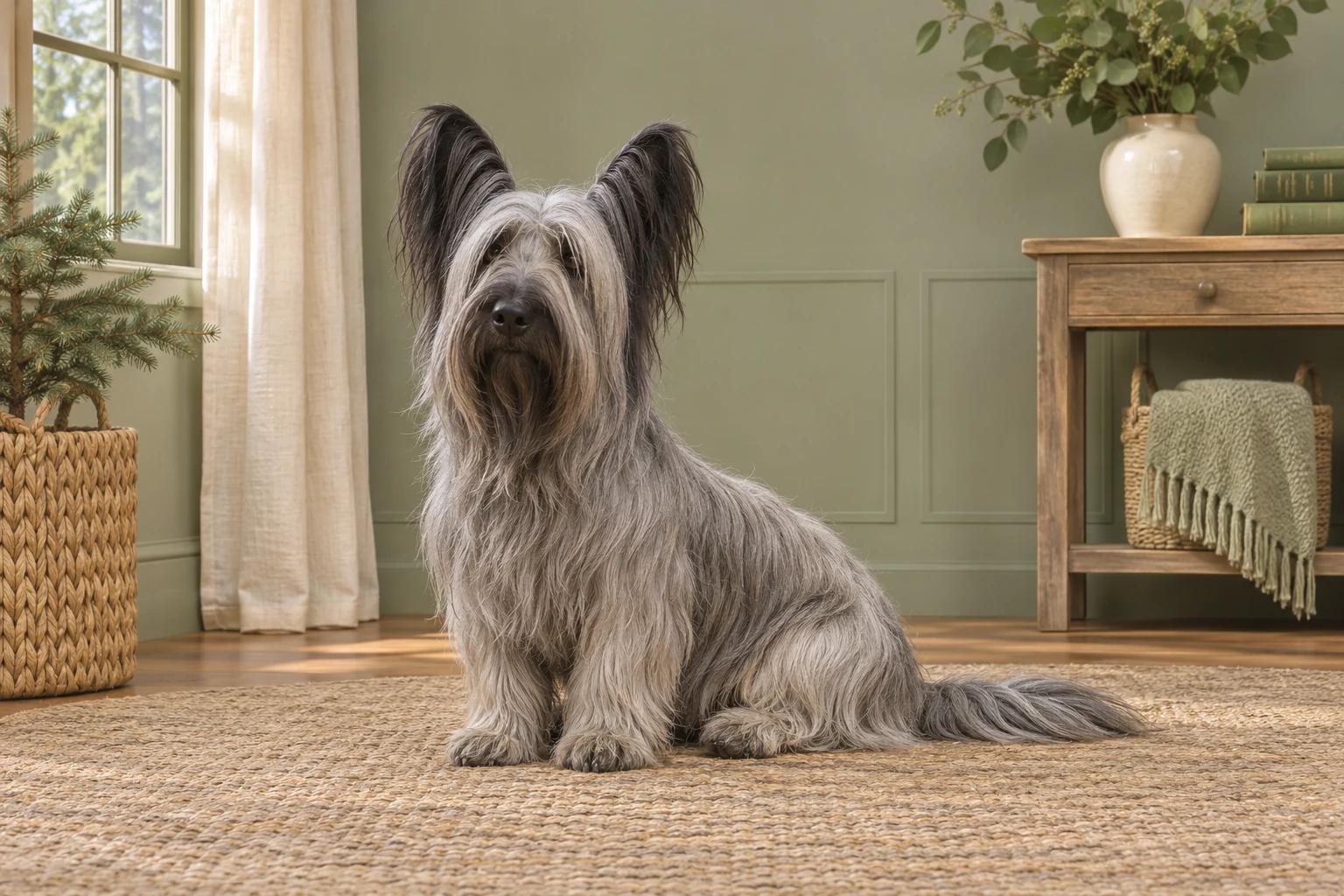
Skye Terrier size needs more than a quick glance at the dog beside a person’s ankles. The Skye Terrier profile introduces a low-standing dog, but height alone leaves much of its physical presence unexplained.
For everyday ownership, separate four questions: how high the dog stands, how its body is proportioned, what its current condition is and whether it is still developing. Treating all four as one question about smallness makes it easy to misunderstand what you are seeing beneath the coat.
The current My Breed Atlas adult reference is 25–45 pounds overall: females 25–31 pounds and males 35–45 pounds. Listed height is 9.5 inches for females and 10 inches for males. Keep the sex qualifiers with these figures; neither a single average nor a puppy photograph represents the complete adult reference.
Skye Terrier size is about length as well as height
The AKC Skye Terrier standard describes a body approximately twice as long as the dog is high. Its example pairs a 10-inch shoulder height with a 20-inch measurement from the chest to the rump. The tail is not added to that body-length comparison.
The same description emphasizes substantial bone, hard muscle and a deep chest. Short legs do not imply a lightly built toy dog. The chest has oval-shaped ribs, and the straight-falling coat can make the sides look flatter than the structure beneath them.
This proportion is useful when looking at an adult in person. A frontal portrait compresses the information that a side view provides. Look at the whole body standing naturally, rather than estimating length from its facial furnishings or the end of its tail. The standard describes a balanced overall construction, not a reason to favor the longest dog you can find or to exaggerate a puppy’s proportions.
Know what Skye Terrier height measures
The AKC glossary defines height as the vertical distance from the withers to the ground. The withers are the highest point of the shoulders. The measurement is therefore not taken to the head, nor to the highest part of the hair.
That distinction matters when comparing pictures. A dog raising its head changes its apparent total height without changing shoulder height. A tape following the slope of the neck would answer a different question from a vertical shoulder measurement. Keep those endpoints clear when someone describes how tall their dog is.
If you want a useful comparison, ask for shoulder height rather than accepting an estimate to the head. Similarly, back length and total nose-to-tail length are not interchangeable labels. A description becomes much more informative when you know what was actually measured. This is particularly helpful for a breed whose low position can draw attention away from the amount of body extending horizontally.
Skye Terrier weight is not a body-condition score
The WSAVA body-condition chart assesses features such as the fat covering over the ribs, the waist viewed from above and the abdominal outline from the side. It does not identify condition by matching every dog to one breed-average weight.
For a heavily coated Skye, ask your veterinarian to demonstrate the assessment rather than interpreting the outside of the hair as the outside of the body. The chart combines what can be seen with what can be felt. Coat volume can interfere with a purely visual judgment.
An individual may need a different interpretation from another dog with the same scale reading. Do not decide that a Skye is appropriately conditioned simply because it resembles a familiar dog or falls within a number you have heard. Likewise, a substantial frame is not permission to ignore changes in condition. Use the chart as a discussion aid with your veterinary team, not as a home prescription for changing food or exercise.
Growth does not finish in every dimension at once
AKC’s puppy-growth guidance distinguishes skeletal growth from later changes in muscle and body fat. Reaching a stable height does not necessarily mean every aspect of the dog’s adult body has finished developing. The article also notes variation between individuals and families.
When asking how big do Skye Terriers get, the puppy’s relatives can provide useful context. Ask about mature dogs from the same family rather than treating a very young puppy’s present size as a complete forecast. A breeder’s experience can inform an estimate without making it certain.
Discuss development with your veterinarian, especially before increasing demanding physical activity. Adult-looking proportions are not proof that a growing dog is ready for an adult athletic routine. Avoid assigning a universal finishing date based only on the breed’s low height. Follow the individual’s development rather than trying to make it reach an expected size faster or interpreting every change in weight as a change in height.
What the size description means in ordinary life
The Atlas profile combines this low height with moderate activity, training and grooming ratings. None of those commitments disappears because the dog stands close to the ground. The amount of space a dog occupies and the time it needs from you are related practical questions, but they are not the same measurement.
For example, the strong family-affection rating concerns involvement with people, not whether the dog is physically small enough to sit in a particular chair. Moderate activity concerns a varied routine, not whether the dog can pass beneath a table. Keeping those distinctions separate helps avoid buying into the idea that a low dog automatically requires little attention.
Meet an adult rather than relying exclusively on puppy photographs. Notice the dog’s full presence alongside its familiar person and compare that experience with the numbers. The dog quiz places physical size alongside other lifestyle priorities. The Skye Terrier ear article explains a different aspect of the breed’s appearance.
Frequently asked questions
Is Skye height measured to the head?
No. Shoulder height is measured vertically from the withers to the ground. Head carriage and hair are not the measurement’s upper endpoint.
Does twice as long as tall include the tail?
No. The standard’s example uses chest-to-rump body length. Adding the tail would produce a different measurement and distort the comparison.
Does a stable height mean a puppy has finished developing?
Not necessarily. Muscle and body-fat development can continue after skeletal growth. Ask your veterinarian about the individual rather than treating one measurement as a complete maturity assessment.
Sources behind this article
- AKC: Skye Terrier standard ↗
- AKC: Canine glossary ↗
- WSAVA: Dog body condition chart ↗
- AKC: Puppy growth ↗
Article source checked: November 16, 2026. Source checked 2026-11-16
Keep reading

Airedale Terrier Temperament: What Everyday Life Can Feel Like
Read article →