Singapura Cat Shedding: What a Short Coat Does and Does Not Tell You
Explore Singapura cat shedding and weekly coat care, with realistic hair expectations and clear limits on products, bathing and home assessment.
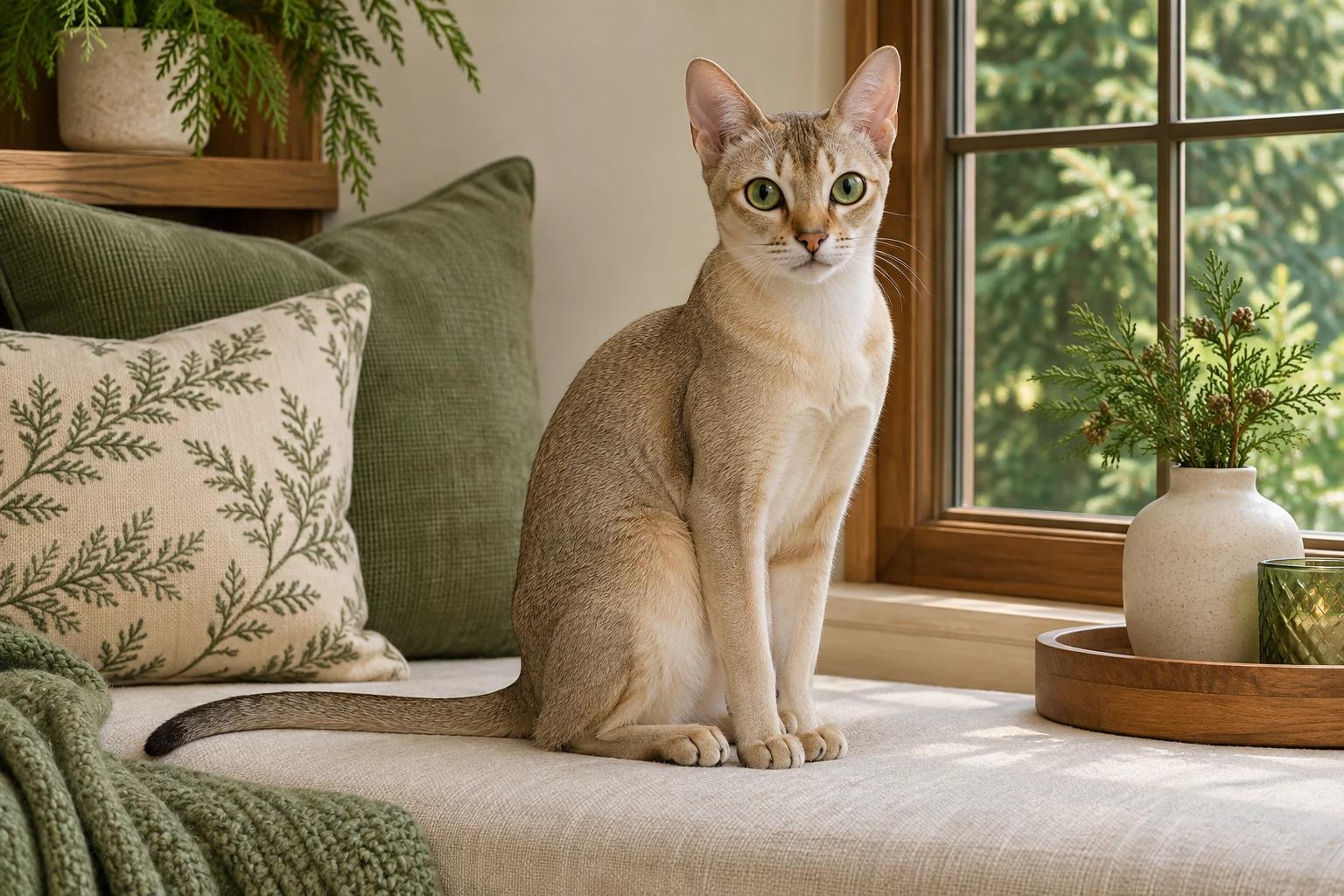
Singapura cat shedding is part of living with a short-coated cat, but the coat description does not establish a fixed quantity of loose hair. TICA describes a close, ticked coat and recommends weekly brushing. That gives an owner a maintenance starting point; it does not promise a hair-free sofa or tell you that an unexplained coat change is normal for every Singapura.
This guide connects singapura cat coat care with gentle observation and household expectations. It does not rank the breed as allergy-safe, recommend supplements or use more brushing as a substitute for veterinary advice about skin or hair changes.
Singapura cat shedding: separate hair from a diagnosis
The Singapura profile retains weekly brushing for the short coat. Begin by learning the routine the individual already accepts. Ask which tool is used and what loose hair the caregiver ordinarily notices, rather than assigning the cat a numerical shedding allowance.
Hair on a brush is an observation, not proof of disease or proof that everything is healthy. The context matters: what has changed, when it was noticed and whether the animal's behavior or skin also seems different. Do not select a cause from a breed description alone.
Contact your veterinarian about an unexplained change, patchiness, skin concerns or discomfort. The aim is appropriate assessment, not producing a cleaner-looking coat before somebody sees it. Photographs from ordinary care may help if the veterinary team requests them, but should not delay contact.
Learn a light routine before collecting products
For anyone asking how to groom a singapura cat, a suitable demonstration is a useful first step. VCA's coat-care guidance emphasizes equipment appropriate to the coat and gentle use. Ask why a particular brush is chosen and how to recognize when a session should pause.
A compact body and short hair do not make any brush suitable. Check the condition of the familiar tool and set uncertain equipment aside. Do not use the animal to test a rough edge or decide whether firmer pressure removes more hair.
Keep the initial kit understandable. A caregiver should know what each item is for, where it is stored and which questions need professional help. Several products promising to stop shedding can make that responsibility less clear rather than solve it.
Use the weekly reference thoughtfully
A weekly starting routine is not a requirement to complete a fixed amount of brushing regardless of response. Notice how the coat feels and how the cat chooses to remain. Pause rather than repeatedly retrieving an animal that has left the setting.
Nearby company may be welcome while a tool is not. Offer familiar handling and distinguish acceptance of petting from acceptance of grooming. Adults should manage the task and help children participate through preparation or observation rather than restraint.
If ordinary care becomes newly difficult, seek advice. Do not label the cat uncooperative and increase pressure to complete the calendar. A short coat can still require changes in technique or professional attention for an individual concern.
Keep household hair management separate
A washable cover or ordinary cleaning routine may make loose hair easier for people to manage, but it does not tell you what is happening in the coat. Keep cleaning products and equipment used around the home separate from anything intended for the animal.
Do not apply a household product or an unfamiliar grooming spray merely because it promises less visible hair. Ask the relevant professional about suitability before use. Product popularity is not an individual recommendation.
If several people share care, distinguish brushing from cleaning the sofa in the handover note. Otherwise somebody may assume that the cat has been checked when only the room was tidied. The two tasks can be useful while answering different questions.
Do not make bathing the automatic next step
VCA explains that bathing needs vary between cats. A short-coat description is not a reason to start a routine bath schedule to meet a shedding target. Ask for guidance where contamination, skin concerns or a particular care need is involved.
Learn appropriate products and handling from someone qualified to advise on the individual. This article provides no household-mixture recipe or method for holding a reluctant cat through a bath. Necessary care should follow the professional plan rather than a cosmetic deadline.
A changed coat should also not trigger an independent diet or supplement experiment. Tell the veterinary team what the animal currently receives and follow appropriate nutritional advice. Shedding alone cannot select a treatment from a product shelf.
Keep the whole care picture in view
The Singapura profile describes an active, involved companion. A manageable short coat does not remove play, company, resources or routine veterinary responsibilities. FelineVMA's indoor-cat guidance places those needs together rather than treating grooming as the whole ownership commitment.
Notice the actual environment and accepted contact. A cat may enjoy a game and still decline a grooming session later. Respecting those different choices can make the care history clearer without interpreting every response as a personality verdict.
The existing Singapura small-gaps article addresses a separate household safety review. Use it for openings and moving furniture rather than assuming a short-coat guide covers every aspect of preparation.
Write a useful care note
Keep the note specific: familiar tool, ordinary setting, what was comfortably completed and any change that needs advice. Avoid vague entries such as fully groomed if an area was not checked or the session ended early.
Use the cat quiz to think about wider care preferences before adoption. Then ask about this animal's coat and handling, including who can help if the routine becomes difficult. A realistic plan leaves room for loose hair and professional questions.
The goal is a gently maintained coat and an accurate account of changes. It is not a promise that every hair can be removed or that the breed label settles a personal medical concern.
Frequently asked questions
Does short hair mean a Singapura never sheds?
No hair-free guarantee is made. The source's short-coat description and weekly brushing reference do not establish a fixed amount of shedding for an individual.
Should I brush harder when more hair appears?
Do not increase pressure to meet a hair-removal target. Review suitable technique and seek veterinary advice about an unexplained change or discomfort.
Is routine bathing required to control hair?
No automatic schedule is prescribed here. Bathing needs vary; obtain guidance about the actual cat and any specific care concern.
What should another caregiver be told?
Share the familiar tool, accepted routine and concerns requiring contact. Distinguish the cat's coat check from ordinary cleaning of loose hair around the home.
Sources behind this article
Article source checked: November 20, 2026. Source checked 2026-11-20
Keep reading

Abyssinian Cat Grooming: Care for the Short Ticked Coat
Read article →