Small gaps and hiding spaces: a Singapura home-safety audit
Check your Singapura’s access to small gaps, moving furniture and appliances while preserving safe hiding choices and clear household checks.
Audit the space without testing the cat
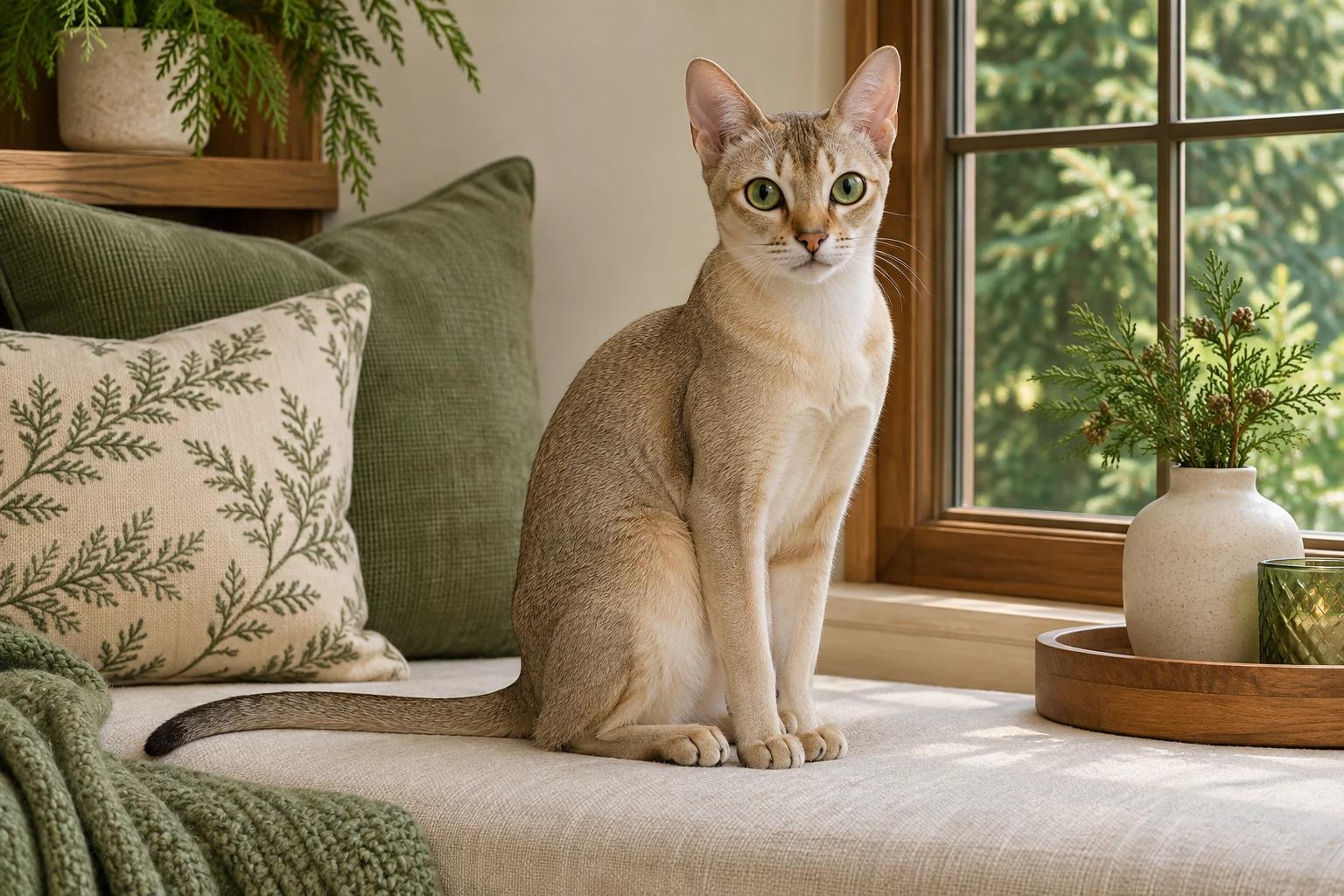
CFA describes the Singapura as a small cat. That makes it sensible to look carefully at spaces people overlook, but it does not supply a safe gap measurement. Do not encourage the cat into an opening to see whether it fits. Inspect the household arrangement while the cat is safely elsewhere.
Begin with one room and list openings behind furniture, around appliances or into storage areas. Distinguish a safe retreat from a place where the cat could become trapped or be difficult to reach. A cosy appearance does not establish that a space remains safe when a door closes, furniture moves or an appliance starts.
Check what changes when people use the room
Cats Protection highlights risks from moving furniture such as reclining chairs and advises checking for the cat before operating them. Review similar moments in your own home: opening a storage compartment, returning furniture to position or using equipment that was quiet while the cat explored.
Give each check an owner rather than writing be careful as the entire plan. Another person should know what must be checked before a task begins. Do not rely on the cat always answering its name or coming out for food. The point is to inspect and manage the space, not create a cue that people assume will work in every circumstance.
Provide alternatives to unsafe hiding places
RSPCA guidance recommends safe hiding opportunities as part of a suitable home. When you close access to a risky opening, retain appropriate places where the Singapura can rest undisturbed. Blocking every private space can leave a different welfare problem. Choose a stable alternative that the cat can enter and leave comfortably.
Observe whether the replacement is used without forcing the cat inside. Keep essential resources accessible and explain to visitors which retreats should remain undisturbed. If the cat suddenly hides more or behaves differently, contact your vet rather than assuming the new furniture arrangement explains everything. A room audit does not diagnose fear or illness.
Repeat checks after household changes
New furniture, temporary storage and visitors’ belongings can change the map of a room. Revisit the audit after rearranging or unpacking, especially if a gap has opened behind something that previously fitted closely. Put cleaning products and small items into appropriate secure storage rather than simply placing them beyond your own usual line of sight.
Keep the resulting note short: the opening addressed, the task requiring a check and the safe retreat retained. This is practical household planning, not a certification that every risk has been removed. Your Singapura’s small size is a reason to notice overlooked access, while individual behaviour and ordinary safety checks remain more useful than a universal breed-based measurement.
Sources behind this article
Article source checked: October 22, 2026. Source checked 2026-10-22
Keep reading

Abyssinian-proofing a room before the first climb
Read article →