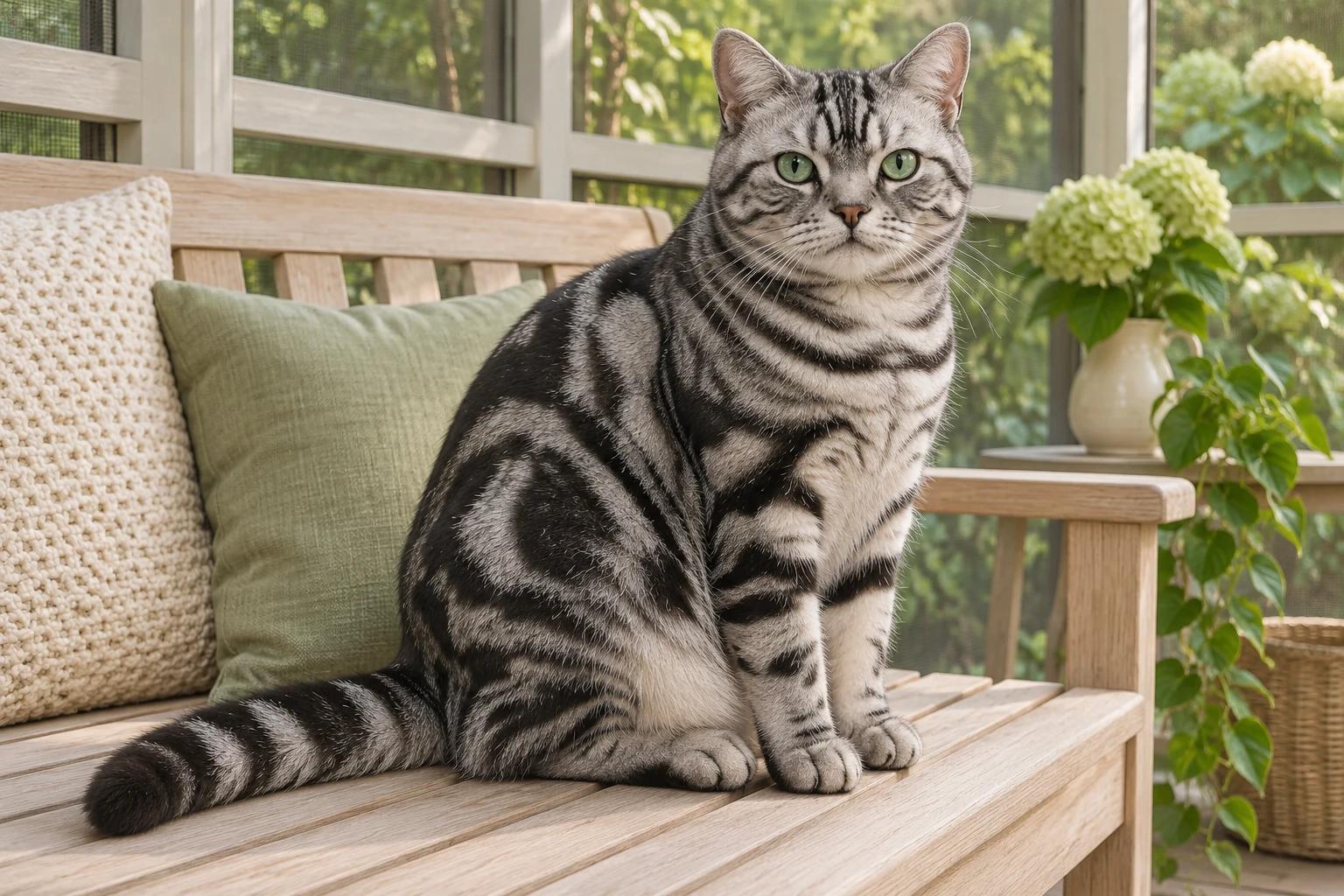
Siberian Cat Training: Introduce a Grooming Tool Without Rushing Touch
Plan Siberian cat training through a voluntary care-tool introduction, separating object familiarity from touch and necessary professional care.

Siberian cat training can begin with a practical communication goal: helping the animal become familiar with an object used in ordinary care. A dense seasonal coat makes grooming part of the ownership discussion, but learning about a comb is different from being combed. A cat approaching an object has not given permission for every handling step that might follow.
This guide explores how to train a siberian cat through a small, voluntary introduction. It teaches no coat-removal technique and does not replace professional help for existing tangles, discomfort or a task that must be completed promptly.
Siberian cat training: define one modest objective
Choose a familiar care object whose appropriate use has already been explained to you. Keep it stationary and out of the way in a quiet, suitable setting. The initial objective can be simply noticing it calmly, not allowing contact with every part of the coat.
The Siberian profile recommends rewarding chosen behavior and building care tasks in small steps. FelineVMA's training guidance similarly describes positive reinforcement and manageable learning. Apply those principles to a goal you can recognize rather than asking for a vague outcome such as being good for grooming.
Before beginning, ask the veterinary team about any concern affecting handling or comfort. Do not use a new training plan to postpone necessary care. Existing professional instructions take priority over an optional exercise.
Prepare the person before presenting the object
Decide which voluntary response you will acknowledge and have a suitable reward available. It might be food allowed within the current plan or another response the individual values. Ask about dietary restrictions rather than adding repeated food rewards without considering ordinary care.
Keep your own movements simple. If the comb appears, disappears and moves toward the cat while the reward is being found, several things have changed before the animal can understand the exercise. Prepare enough to respond to the intended action without improvising the next demand.
Do not withhold essential resources to increase interest. The cat should be able to leave and still reach food, water, litter and rest. Participation is optional; access to ordinary care is not the prize for cooperating.
Acknowledge looking before expecting approach
A first response might be noticing the stationary object while remaining comfortable at a distance. That is a smaller demand than walking toward it or touching it. You do not need to wait for the most advanced possible response before acknowledging a useful step.
If the cat chooses to investigate, keep that choice separate from what happens next. Do not take an approach as an opportunity to begin a full coat session. Unexpectedly adding touch can make the experience different from the invitation the animal accepted.
FelineVMA describes shaping through manageable parts. Seek qualified help if you are uncertain which next step fits the individual. Repeating a cue more loudly or moving the object closer does not necessarily explain the task.
Separate object familiarity from coat contact
CFA describes a coat that varies substantially between individuals and through the year; TICA also notes seasonal changes. That care context is why a useful training goal should be specific. Seeing a tool, approaching it and accepting its appropriate use are different stages.
Ask a suitable professional to demonstrate the actual grooming technique and discuss cooperative care. This article does not tell you where to press, how to pull through a knot or how to restrain the cat. It also makes no promise that a familiar object will always be accepted during necessary handling.
If touching the animal is newly difficult or an area seems uncomfortable, contact the veterinarian. A training explanation should not conceal a clinical concern or make the cat responsible for tolerating it.
Change one demand at a time
A second person, a new room and an unfamiliar position all change the experience. Avoid introducing them together merely because the cat approached the tool once. Keep a note of what was actually comfortable so another caregiver does not assume a whole procedure has been learned.
That note might distinguish looking at a stationary object from choosing to stand nearby. Record the setting and the reward without giving the animal an obedience score. The information is useful because it describes a stage, not because it establishes that the cat is easy or difficult.
End when participation ends. An unfinished exercise can remain unfinished without a final repetition. Carrying the cat back to obtain a neat conclusion changes the voluntary nature of the opportunity.
Keep obedience language from obscuring the problem
Siberian cat obedience is sometimes used to mean easier everyday care. It should not mean overriding refusal or assuming an investigative cat must understand every request. If the task repeatedly fails, review clarity, reward, setting and comfort with appropriate help.
FelineVMA advises against training a frightened, sick or painful animal. Stop and seek relevant advice when those concerns arise. No cue, reward or reputation for intelligence establishes that discomfort has been resolved.
Physical safety must also remain independent of the exercise. Store tools appropriately and keep hazardous materials inaccessible. A learned signal cannot be the only boundary preventing a curious cat from reaching equipment or products.
Let socialization remain a separate experience
Siberian cat socialization does not require every visitor to offer the comb or handle the cat. Learning with a familiar caregiver is one situation; meeting an unfamiliar person is another. Let guests observe from a suitable distance without turning the visit into a demonstration.
Adults should guide children and explain which tasks they can help prepare. A child should not be responsible for holding the animal still, interpreting pain or completing a difficult coat task. The cat can enjoy company without accepting care from each person present.
Use the cat quiz to think about the broader time and support involved in ownership. The existing Siberian allergy-decision guide concerns a different household question; success in a care exercise cannot settle it. A useful training plan improves communication within appropriate limits, with professional care available when learning alone is not the answer.
Frequently asked questions
Does approaching a comb mean grooming can begin immediately?
No. Object familiarity and accepted coat contact are different stages. Learn the actual technique and appropriate progression with suitable professional guidance.
Should I hold the cat in place to finish a step?
This voluntary exercise does not use restraint to obtain a response. Let participation end and seek help with necessary care rather than forcing a training result.
Can training solve an existing difficult mat?
This guide provides no mat-removal procedure. Obtain appropriate professional help; do not delay necessary care while trying to complete an optional exercise.
What should a shared training note record?
Describe the exact voluntary response, setting and suitable reward. Avoid treating one successful approach as proof that every handling stage or new caregiver is accepted.
Sources behind this article
- CFA: Siberian ↗
- TICA: Siberian ↗
- FelineVMA: Cat training techniques ↗
- FelineVMA: Indoor cats position statement ↗
Article source checked: November 20, 2026. Source checked 2026-11-20
Keep reading

Abyssinian Cat Training: Useful Skills for an Active Cat
Read article →