Shikoku Ken Shedding: Caring for the Double Coat
Manage Shikoku Ken shedding with coat-specific grooming, gentle handling and a clear distinction between loose hair and concerning skin changes.
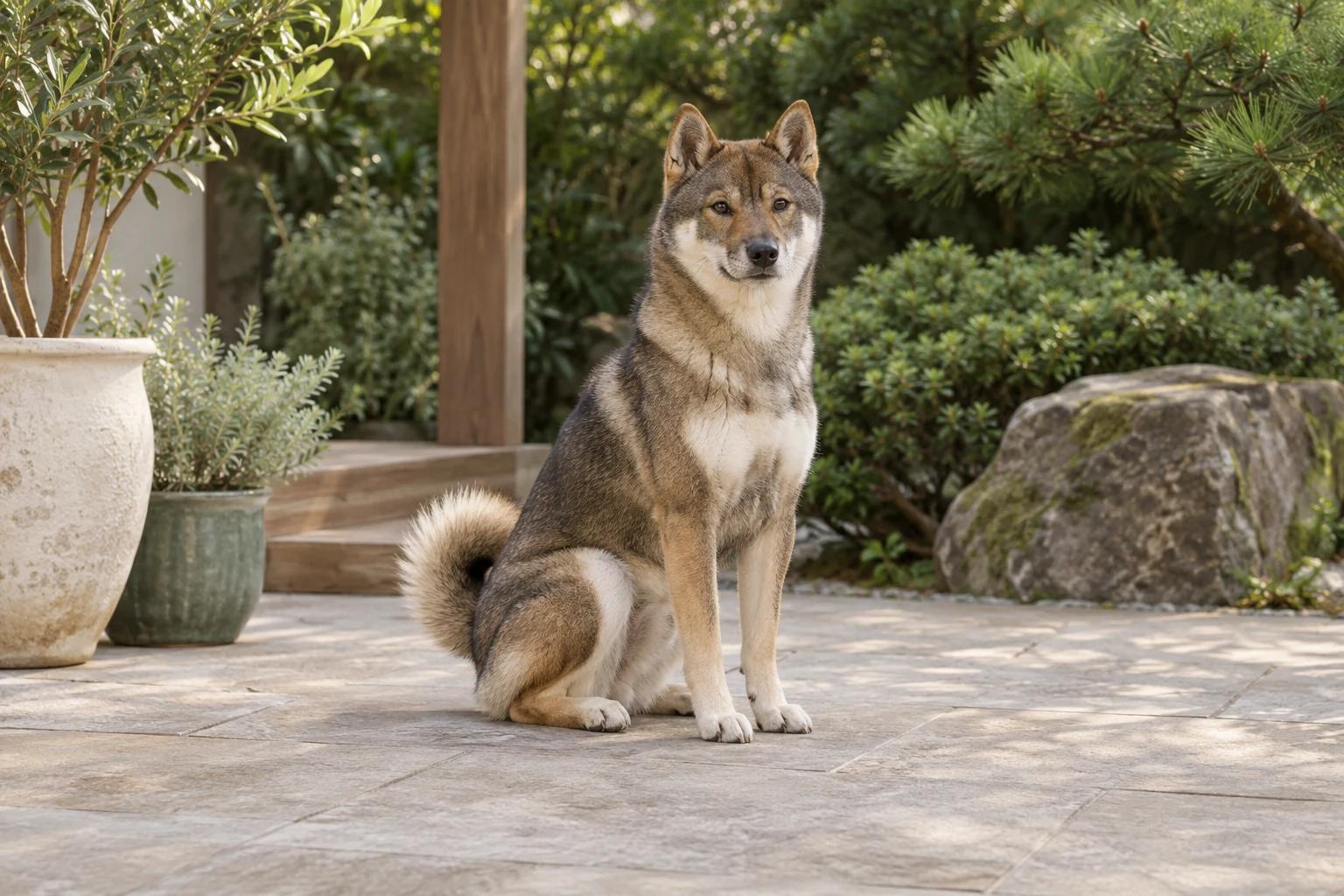
Shikoku Ken shedding is an everyday care question, not just a matter of choosing a vacuum cleaner. The Shikoku Ken profile identifies a double coat and a regular grooming commitment. This guide focuses on what you do with the dog in front of you: noticing the current coat, understanding the purpose of grooming, making the process tolerable and knowing when a change belongs with the veterinary team instead of the brush collection.
Shikoku Ken shedding changes the grooming task
Dogs NSW's Shikoku guide describes routine brushing and additional grooming when the undercoat is being released. The practical distinction is between maintaining a coat that is relatively settled and helping remove loose material during a coat change. The amount of work should respond to the coat you actually find, not merely to the date on a calendar. A changing coat can require a different appointment from ordinary maintenance, including more undercoat work.
Ask someone experienced with Shikoku Ken coat care to demonstrate on your dog. Watch how they identify loose hair and how they work without pulling at material that is still attached. One demonstration is more informative than choosing the most aggressive-looking tool and assuming it must be efficient.
Separate the question “Is there more hair to remove?” from “Should this session continue?” You do not need to produce an empty brush before stopping. Ask the groomer which areas need attention now and what a reasonable next session would accomplish. A natural-looking coat still needs care, but a grooming goal should concern the dog rather than the size of the pile you hope to collect on the floor.
Understand what a double coat does
The AKC's double-coat guide distinguishes outer guard hairs from the softer undercoat. The layers differ in texture and growth, and the undercoat can account for much of the loose material during coat changes. Short-looking hair can conceal another layer.
The guide advises against routine shaving of double coats and explains that the layers can regrow at different rates. Medical clipping or a difficult coat problem is a separate professional decision, not the same as shaving a healthy coat because hair has appeared on the sofa.
For a Shikoku, describe your actual goal before requesting a grooming service. Removing loose hair and altering the entire outline are not interchangeable requests. Ask the groomer to explain what they intend to remove and why. Do not use a summer haircut as a substitute for an appropriate warm-weather routine. If a professional recommends clipping for a specific problem, discuss that problem and the proposed approach rather than treating a general coat-care rule as a reason to refuse needed help.
How to groom a Shikoku Ken comfortably
RSPCA Australia's grooming guidance recommends short, pleasant introductions, beginning with areas the dog accepts and gradually expanding the work. It advises brushing gently in the direction of growth and stopping if the animal becomes uncomfortable or stressed. A soft grooming mitt may help introduce contact, but it may not remove all loose hair or tangles on its own.
For your Shikoku, begin with a few easy strokes on an accepted area rather than immediately reaching for the belly or tail. Reward calm participation, put the brush down and give the dog a break. A short session can teach something without grooming the entire body.
Ask a groomer to match the tool to the actual coat and demonstrate the pressure. If an area catches, do not repeatedly force the same stroke through it. Difficult tangles or anything close to the skin are reasons to request professional assistance. Learning to accept the process and completing coat maintenance are related tasks, but neither improves through a prolonged physical struggle.
Distinguish loose hair from a skin concern
The Merck Veterinary Manual's hair-loss guide distinguishes natural replacement of old hair from abnormal loss that leaves bald areas. It notes that itching, inflammation and other changes can accompany hair loss, and that identifying the cause requires history and examination. Hair on the brush cannot, by itself, establish a diagnosis.
If your Shikoku develops a bare patch, persistent scratching, soreness or a noticeably altered coat, arrange veterinary advice rather than assuming every change is ordinary shedding. Explain when you first noticed it, whether it is spreading and whether the dog is licking or rubbing the area. Avoid applying a treatment simply because another owner's dog once looked similar.
The location matters too. The guide notes that friction from poorly fitting equipment can contribute to local hair loss, but that does not mean every patch beneath a collar has that cause. Have the actual dog assessed. Continuing to brush a sore area may cause discomfort without explaining the problem.
Make the grooming conversation specific
The dog matching quiz helps prospective owners think about hands-on care. The Shikoku regional-name article covers a different question about the breed's background, rather than a grooming method.
Frequently asked questions
Is shaving the usual answer to loose hair?
No. Routine shaving is not the recommended approach for a healthy double coat; specific medical or coat problems need professional guidance.
Must one session cover the whole dog?
No. Short, comfortable sessions can build acceptance, especially when the dog is still learning about grooming.
Should a bald patch be treated as normal shedding?
No. Seek veterinary advice about a bare patch or associated itching and soreness rather than assuming it is routine coat replacement.
Sources behind this article
- Dogs NSW: Shikoku care ↗
- AKC: Double-coated dogs ↗
- RSPCA Australia: Grooming dogs ↗
- Merck Veterinary Manual: Hair loss in dogs ↗
Article source checked: November 16, 2026. Source checked 2026-11-16
Keep reading

Affenpinscher Grooming: A Practical Coat-Care Routine
Read article →