Sheepadoodle or Shepadoodle? Spell out the parent breeds
Distinguish an Old English Sheepdog-Poodle cross from a German Shepherd-Poodle cross, and resolve ambiguous listings before applying care information to a particular dog.
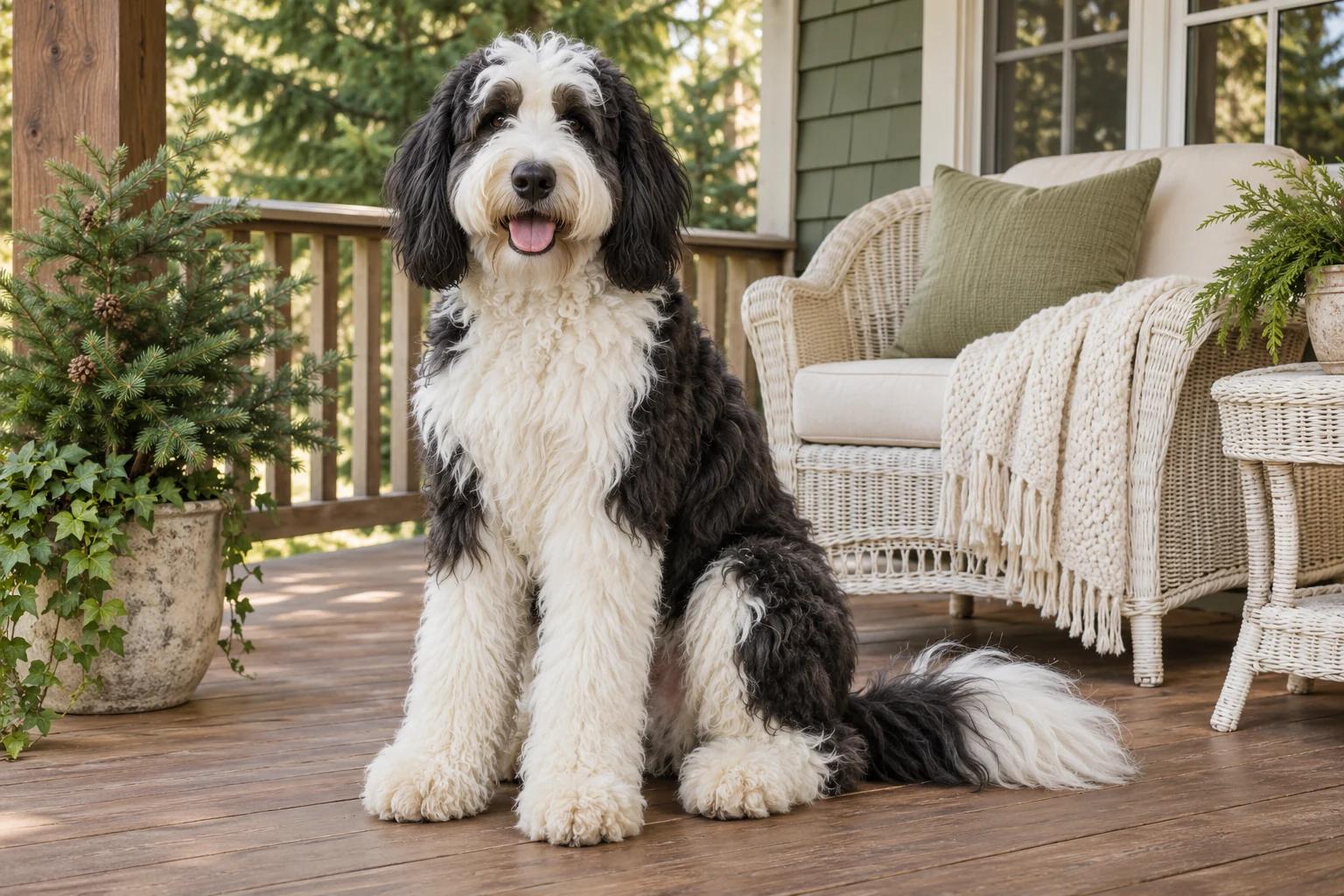
One extra letter changes the usual meaning
Sheepadoodle and Shepadoodle look close enough to be mistaken for alternative spellings. PetMD's separate guides use Sheepadoodle for an Old English Sheepdog-Poodle cross and Shepadoodle for a German Shepherd-Poodle cross. In that usage, the difference is parentage, not merely how a person prefers to write the same name.
The shared Poodle connection explains part of the resemblance between the labels, but it does not make Old English Sheepdog and German Shepherd interchangeable. When reading a listing or searching for care information, write out both parent breeds. This small step can prevent you from building an entire set of expectations around the wrong cross.
Resolve a spelling mismatch without guessing from a photo
Suppose a listing title says Sheepadoodle, while the description calls one parent a German Shepherd. Ask the person responsible for the listing to clarify the discrepancy. It could be a typographical mistake, incomplete information or a misunderstanding; the text alone does not establish which explanation is correct.
Do not decide that curly fur, black-and-white markings or a particular ear shape settles the matter. Instead, ask what is known about the parents and where that information comes from. If the background is uncertain, preserve that uncertainty in your notes. An honest unknown is more useful than a confident label inferred from a single picture.
Use the right starting point, then assess the individual
PetMD's Sheepadoodle guide emphasizes substantial grooming needs from both parent breeds and cautions against assuming a non-shedding coat. Its Shepadoodle guide also describes variable coat care, with a different parent combination. The lesson is not that one cross has a guaranteed routine; it is that even the starting information changes when the parent breeds change.
For a dog already in your care, discuss its actual coat with a groomer and its health with a veterinarian rather than trying to make it conform to an internet description. For a prospective dog, clarify the name before comparing records, household needs and available support. Saving the full parent-breed wording beside the nickname makes later conversations clearer, whether you are speaking with a rescue, a breeder or another family member.
Sources behind this article
Article source checked: October 20, 2026. Source checked 2026-10-20
Keep reading
Sheepadoodle vs Aussiedoodle: Build, Play and Daily Fit
Read article →