Scottish Straight Cat Grooming: Start With the Coat Variety
Plan Scottish Straight cat grooming around short or long coat needs, seasonal observations and a demonstrated routine with clear limits on home care.
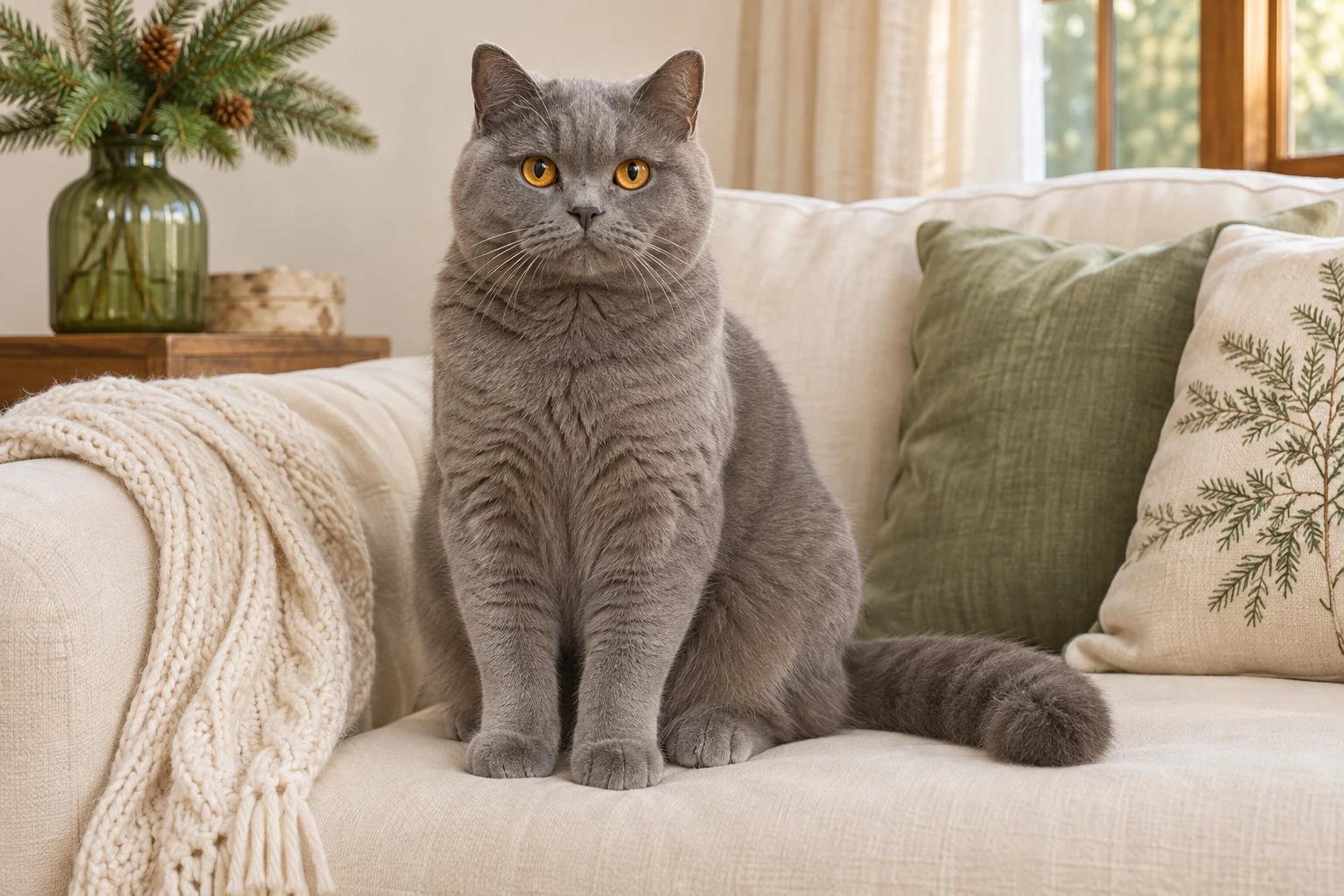
Scottish straight cat grooming is not one identical routine for every upright-eared cat in the group. Short and long coats need different attention, and undercoat and shedding can change how the work feels. The site's current starting reference is weekly brushing or combing for short coats, with longer coats potentially needing attention several times a week. The individual coat and accepted handling remain central.
This guide organizes scottish straight cat coat care around variety, seasonal review and a practical demonstration. It gives no mat-cutting procedure or reason to treat upright ears as proof of general health.
Scottish straight cat grooming: identify what you will maintain
Ask the caregiver whether the animal has the short or long coat and what routine is already used. TICA describes both varieties. The Scottish Straight profile retains the distinction and asks owners to adjust attention to undercoat, shedding and individual tangles.
Begin with a demonstration rather than assembling a large tool collection. Notice which areas need attention and how the animal chooses to remain. A dense coat that looks tidy from above may need checks elsewhere, while a longer coat should not be treated as though a quick surface stroke is the whole task.
Keep a simple coat note: variety, familiar tool, accepted setting and any areas the professional has asked you to monitor. This is information about the individual, not a claim that every animal of the same coat length will need identical work.
Separate a routine reference from the coat's present condition
Weekly care for a short coat and several sessions for a longer one are starting descriptions. They do not instruct you to ignore developing tangles until a calendar date or to continue grooming regardless of comfort. Ask how to adapt if the demonstrated routine is no longer adequate.
TICA notes seasonal shedding in its Straight account. When more loose hair appears, review the actual coat and suitable care rather than assuming a product must be changed. The aim is not to eliminate every hair from the home or create a numerical shedding allowance.
A short note about a change can help a professional understand what differs. Include timing and the animal's response without selecting a diagnosis. Contact your veterinarian about skin concerns, discomfort or an unexplained change rather than attempting to solve everything through more frequent brushing.
Learn the tool's purpose on this coat
VCA's general coat-care guidance recommends equipment suited to the individual and gentle use. Ask why a particular comb or brush is being used and how to recognize when it is catching rather than moving appropriately. The answer should be practical enough for another responsible caregiver to understand.
Do not use a tool on the cat to test whether a damaged tooth or rough edge remains acceptable. Set uncertain equipment aside and obtain advice. Store the agreed items safely so they do not become unsupervised toys or get confused with supplies for another animal.
Avoid choosing stronger equipment just because the coat looks abundant. A tool's marketing claim cannot establish the right pressure or technique. A suitable demonstration is more useful than an impressive pile of removed hair.
Make breaks part of the care arrangement
Choose a stable setting with enough room for a comfortable pause. Do not retrieve a cat repeatedly from its retreat to finish a coat target. Nearby company and acceptance of petting do not establish tolerance of every tool or position.
Adults should manage grooming and explain children's roles. Preparing supplies or learning what to report can be useful participation; holding the cat still or deciding whether a painful area is normal should not be a child's responsibility.
If ordinary handling changes or a particular area seems uncomfortable, contact the veterinary team. Do not explain the response solely through temperament, ancestry or ear shape. This article does not teach a home examination or establish which inherited condition, if any, explains a response.
Know when a tangle exceeds routine care
A difficult knot is a reason to seek suitable guidance rather than increase force. VCA warns against scissors for mats and recommends professional care for severe or extensive tangles. This guide does not replace that advice with a clipping or pulling technique.
Explain the location, what has already been tried and how the cat responds. If skin is irritated or handling is difficult, tell the veterinarian rather than making the coat look tidier before asking. A smooth surface should not conceal a repeated concern.
Review recurring problems with the relevant professional. The individual's ability to groom itself, coat condition and routine may need assessment. Do not assume a breed reference guarantees that ordinary combing will resolve every situation.
Keep ear appearance out of product decisions
The upright-ear distinction does not supply a cleaning recipe, determine whether a product is suitable or establish general health. If there is an ear concern, ask the veterinary team rather than borrowing a routine from a folded-ear cat or another household pet.
The existing Scottish Straight ancestry-record guide addresses a different question: what documents and appearance can establish. It is not a grooming manual or a reason to infer genotype while choosing a brush.
Keep any prescribed care instructions in their original scope. A sitter should know which ordinary coat tasks are appropriate and which questions require contact. Do not ask a new caregiver to experiment with unfamiliar products or solve a difficult mat independently.
Review the plan when care is shared
Agree where tools and instructions live and how concerns will be passed on. Distinguish an offered session from one completed comfortably, so nobody assumes another person checked an area that was left for advice.
Bathing should also be discussed for the individual rather than added automatically because a source lists it within a broad routine. VCA explains that needs vary. An unexplained skin issue or contamination requires appropriate guidance, not a household-product experiment.
Use the cat quiz to consider the wider care commitment before adoption, then ask about this animal's actual coat. A useful plan is specific enough to follow, flexible enough for changes and clear about when professional help is needed. It need not promise that either coat variety will remain effortless.
Frequently asked questions
Do short and long Scottish Straight coats use the same schedule?
Not necessarily. The current reference starts with weekly short-coat care; longer coats may need combing several times weekly, adjusted to the individual undercoat and shedding.
Does seasonal shedding require a stronger tool?
Not automatically. Review the coat and seek appropriate advice about equipment and frequency instead of increasing pressure or changing products without understanding the need.
Should I remove a difficult mat with scissors?
No procedure is provided here. VCA warns against scissors for mats; seek suitable professional care for difficult or extensive tangles.
Do upright ears establish what care products are suitable?
No. Ear shape does not determine an individual product plan or provide general health clearance. Ask your veterinary team about concerns.
Sources behind this article
Article source checked: November 20, 2026. Source checked 2026-11-20
Keep reading

Abyssinian Cat Grooming: Care for the Short Ticked Coat
Read article →