Scottish Fold movement changes: preparing to call your vet
Take Scottish Fold movement changes seriously and prepare a clear veterinary call without provoking activity, manipulating joints or waiting for a diary.
Call about the change rather than explaining it away
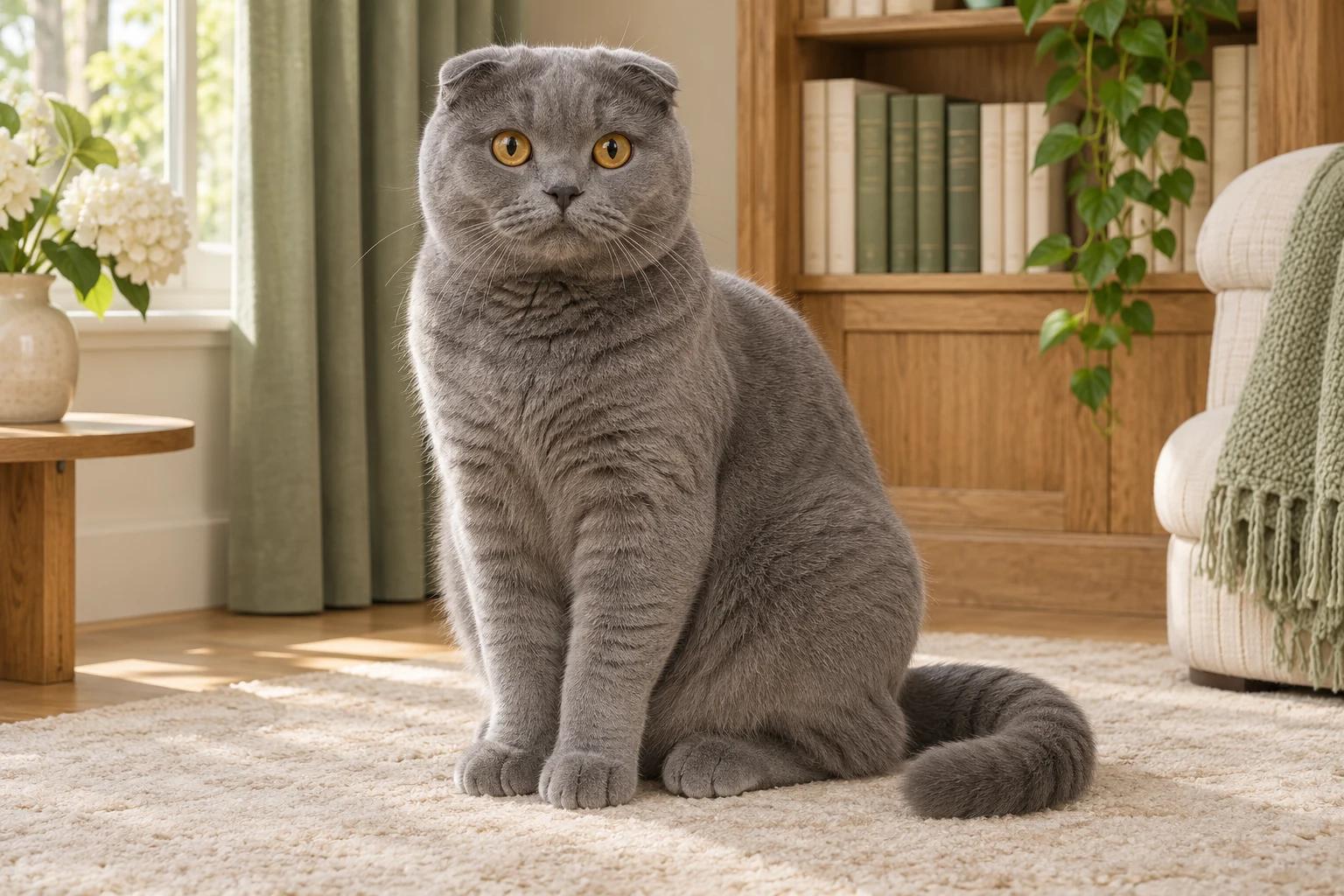
If your Scottish Fold moves differently or avoids an ordinary activity, contact your veterinary team for advice. Do not wait for a visible limp or assume a quiet cat is comfortable. Cats Protection links the folded-ear trait to a genetic cartilage and bone disorder with serious welfare consequences, including painful joint disease.
CFA’s breed page provides appearance context, not a reason to dismiss impaired movement as normal. Tell the practice what you noticed and ask how quickly the cat should be seen. If the concern seems urgent, use the appropriate emergency contact. An online description cannot establish the cat’s current comfort or the cause of a particular change.
Describe ordinary activity without testing it
Useful information includes what the cat used to choose and what differs now: a familiar resting place avoided, a changed route or difficulty with an everyday movement. Record when you first noticed it. Do not make the cat jump again, stretch a limb or bend the tail to produce evidence.
If a video already exists from ordinary activity, ask whether the veterinary team would find it useful. Do not delay the call to obtain one. FelineVMA emphasises that pain signs can be subtle; a brief lively moment does not settle a concern about the rest of the day. Keep observations separate from a diagnosis you have read elsewhere.
Share the existing care context
Have current veterinary instructions and medication details available for the call. Explain anything already changed in the home or routine. Do not add a human painkiller, another pet’s medication or a supplement while waiting for advice. The team needs to decide what assessment and treatment are appropriate for this individual.
Ask what you should do before the appointment and how to transport the cat if movement or handling is difficult. Tell them honestly what the cat tolerates. A plan that requires uncomfortable handling needs professional adjustment, not more persistence from the owner. This article does not teach joint examination or provide an exercise programme.
Leave with clear review and escalation instructions
After assessment, write down the next steps, which changes require contact and when the team wants a review. Share the plan with everyone providing care so nobody encourages activity that conflicts with it. If the cat changes before the review, contact the practice rather than treating the appointment date as permission to wait.
The practical aim is appropriate care and recognition of welfare concerns, not reassurance based on appearance or a breed’s popularity. Keep asking when instructions are unclear. A Scottish Fold’s movement deserves individual veterinary attention, and a household record is useful only when it supports that care rather than postponing it.
Sources behind this article
Article source checked: October 22, 2026. Source checked 2026-10-22
Keep reading
Persian eye care: what to notice before reaching for a wipe
Read article →