Schipperke vs Keeshond: Appearance and Everyday Company
Compare Schipperke and Keeshond appearance, learning and companionship, with questions that help you look beyond size and coat.
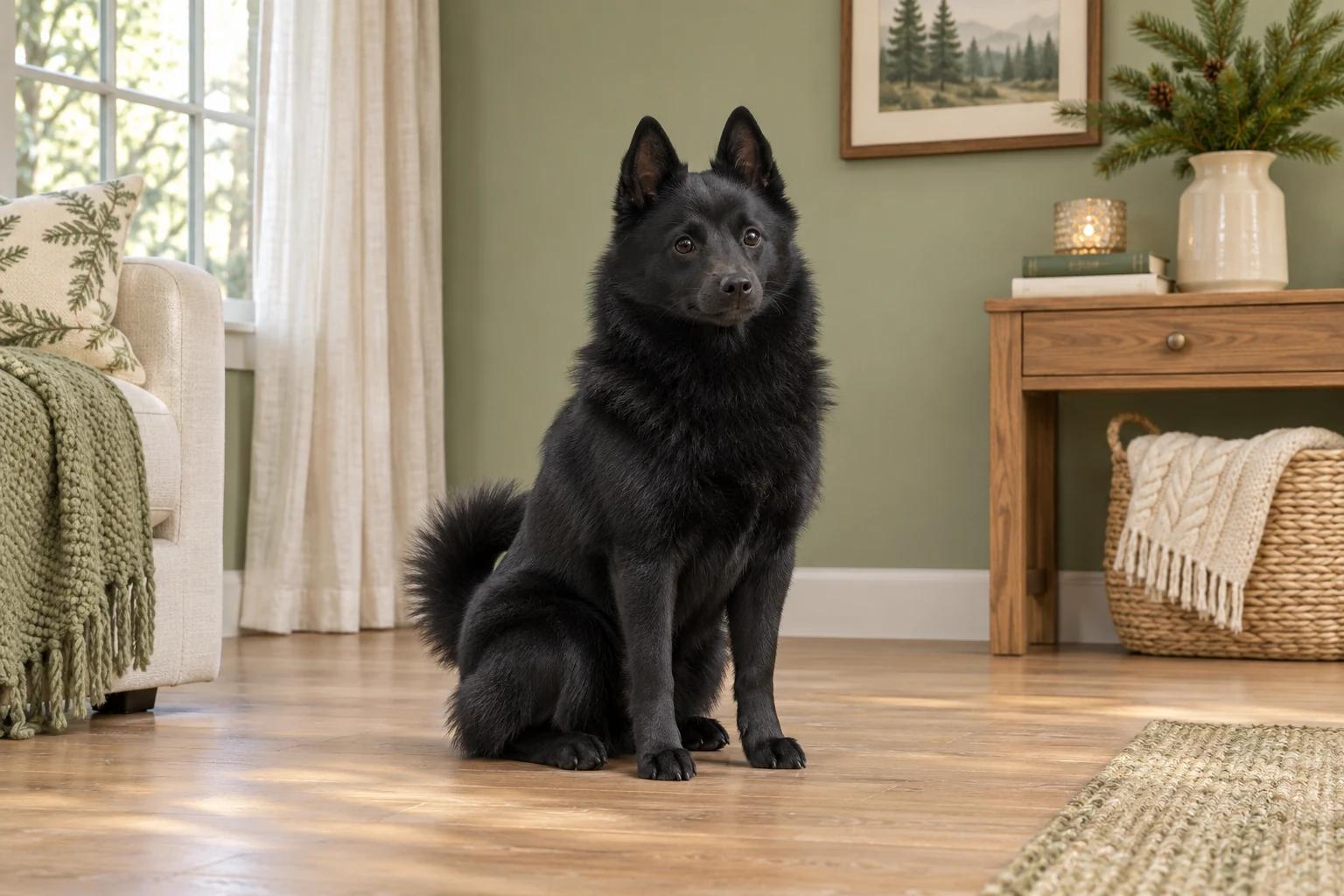
A Schipperke vs Keeshond comparison is most useful when you separate appearance, interaction and the work of teaching. An attractive portrait can suggest a personality without showing what the dog actually does. Meet complete adult dogs, watch ordinary tasks and ask questions about the individual rather than choosing a face first and explaining away everything else.
Do not look for a universal winner. The purpose is to understand what you would enjoy sharing and what you would find difficult. A breed can be appealing without being the right choice for your household, and two dogs of the same breed may raise different practical questions.
Schipperke vs Keeshond: begin with the individual dog
VCA's Schipperke account describes a small, active, curious dog with an abundant black coat. It warns that curiosity can lead the dog toward hazards rather than away from them. Small stature should not be confused with a preference for being carried through every activity.
The account recommends consistent, enjoyable teaching without shouting or repeated lead jerks. Ask the caregiver to demonstrate a familiar request and explain how it was learned. You are looking at a working relationship, not testing whether the dog will instantly obey a stranger.
During a visit, notice what the dog investigates when nobody is directing it. Ask which parts of the home require management and what the caregiver does before opening an outside door. These are useful questions for understanding the individual, not reasons to provoke an escape attempt or deliberately leave tempting hazards within reach.
The difference between Schipperke and Keeshond appearance
The Keeshond standard describes a medium-sized, square-appearing dog with a stand-off coat, a richly plumed tail curled over the back and distinctive facial spectacles. These combine dark lines around the outer eye area with characteristic shading and eyebrows.
The adult coat mixes grey, black and cream, with black-tipped outer hairs creating its shading. Ideal shoulder height is 18 inches for males and 17 inches for females, with a one-inch variation allowed either way. The body is short-coupled and sturdy rather than a long rectangle beneath the hair.
Look at the full outline from the side as well as the face. In a photograph, coat volume and camera position can hide body proportions. Ask to see the dog standing naturally rather than trying to estimate its size from a close-up portrait. Colour and facial markings are descriptive features, not measures of temperament or health.
Schipperke or Keeshond: what will you teach?
The Schipperke Club's new-owner flyer identifies door-bolting, barking and house-training as areas owners may need to address. It recommends early classes and lists activities including obedience, rally and scent work. An appealing small dog still needs an education.
Ask what the particular dog already knows and which routines remain unfinished. For example, what happens while a person collects a delivery? Does the caregiver use a separate space, a familiar position or another taught arrangement? Observe the normal setup instead of demanding a demonstration with the door left unsecured.
If you enjoy organized learning, visit a beginner class before making it central to your plans. Watch how the people practise between explanations and how the instructor helps a dog that is unsure. You are choosing an activity for both of you. A polished sporting result does not reveal how much patient groundwork came before it.
Keeshond vs Schipperke: company and attention
VCA's Keeshond account describes an affectionate, friendly companion that can be enthusiastic about familiar people. It also notes alert barking and recommends positive, reward-based teaching. An outgoing tendency does not remove the need to learn how ordinary greetings should work.
Ask what happens after the initial welcome. Does the dog remain interested in the visitor, return to its caregiver or choose somewhere to rest? One energetic arrival is not a complete account of the relationship. Ask for examples from a normal day rather than relying on the excitement of your visit.
The same account notes that watchfulness can interrupt concentration during lessons. Find out which surroundings make practice easiest for the individual. Do not assume a friendly dog will ignore every sound or movement simply because it enjoys people. Teaching in a suitable setting matters as much as selecting a breed described as willing to learn.
Watch a real routine before deciding
Choose one ordinary task to observe from start to finish. Preparing for an outing is useful because it includes the person gathering equipment, approaching the dog and moving toward an exit. Notice where help is needed and ask which parts have been deliberately taught.
Then explain any practical limitation you have. Perhaps bending repeatedly is difficult, or the route out of your home includes a shared hallway. Ask how the caregiver would approach that specific arrangement with this dog. A useful answer addresses the actual task rather than assuring you that the breed adapts to anything.
Keep appearance and suitability connected without confusing them. You can admire a particular outline and still decide that the day-to-day relationship is not what you want. It is also reasonable to spend more time with adults before deciding. A careful choice need not be made during the first enjoyable meeting.
Read the Schipperke profile and Keeshond profile together, then try the dog match quiz. The Schipperke natural-tail article addresses a separate appearance question and should not be used to infer an individual's history from a photograph.
FAQ
Can I choose between them from head photographs?
Not reliably. A portrait omits body proportions, ordinary movement and the practical relationship with a caregiver. Meet adults and watch everyday tasks.
Does a smaller dog automatically need less teaching?
No. Size does not tell you which household routines have been learned. Ask what the individual knows and what still needs work.
What should I compare after the first greeting?
Watch what happens when the initial excitement ends and ask about a normal day. A brief welcome is only one part of the dog's behaviour.
Sources behind this article
- VCA: Schipperke ↗
- AKC: Keeshond standard ↗
- Schipperke Club of America: New-owner flyer ↗
- VCA: Keeshond ↗
Article source checked: November 16, 2026. Source checked 2026-11-16
Keep reading

Affenpinscher vs Brussels Griffon: Everyday Differences
Read article →