Schipperke Size: Height, Build and the Dog Beneath the Coat
Understand Schipperke size through shoulder height, compact build, coat volume and individual condition, with practical fit checks.
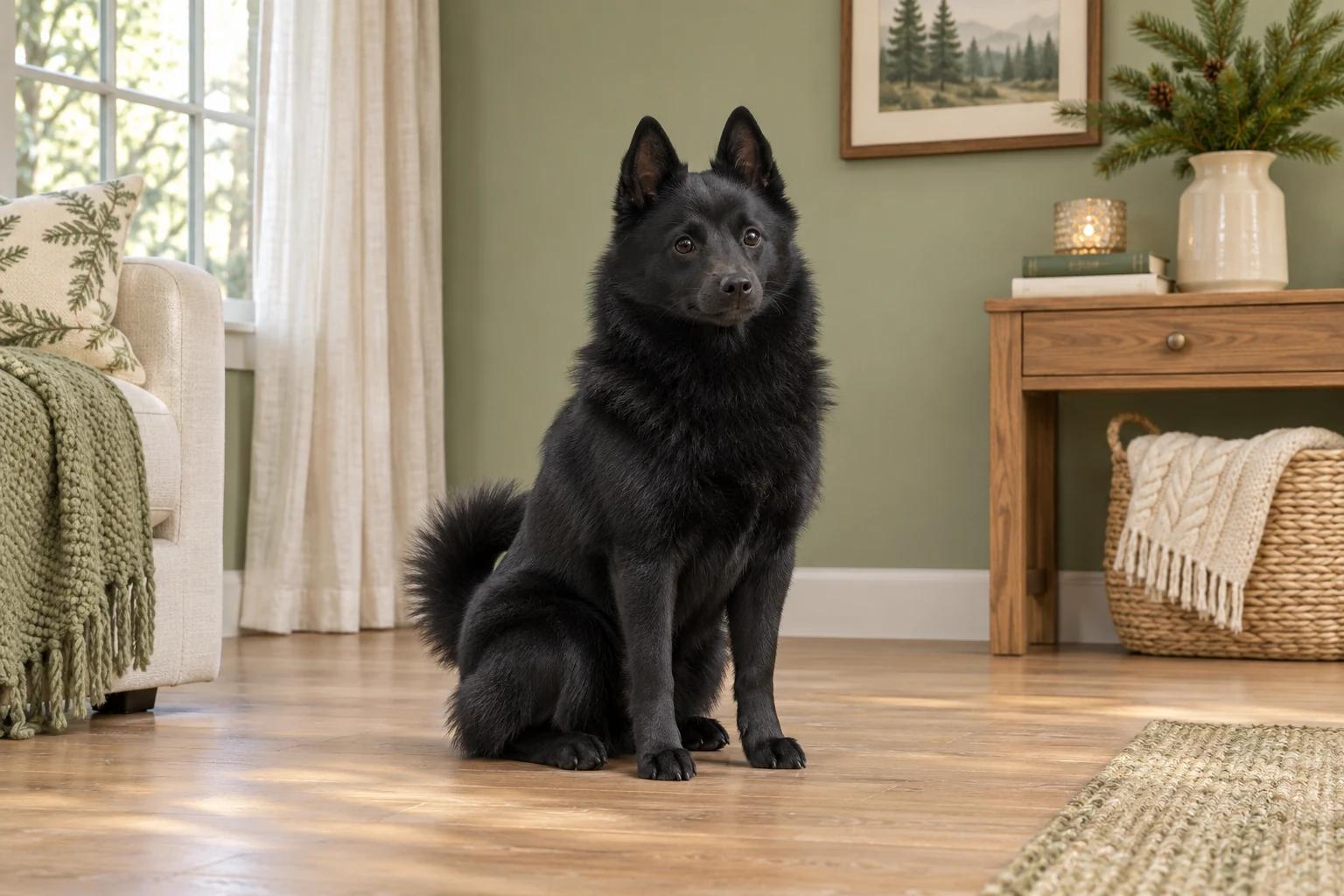
Schipperke size involves more than deciding whether a dog belongs in the small category. Height, body proportions, coat volume and individual condition answer different questions. To understand the adult dog in front of you, consider each separately rather than treating a single number or photograph as the whole description.
Begin by identifying the question you need answered. Are you comparing adult outlines, checking equipment, following a growing puppy or discussing a change with the veterinary team? The useful measurement depends on the purpose.
Schipperke size: the shoulder-height reference
The Schipperke Club's AKC standard gives suggested shoulder heights of 11–13 inches for males and 10–12 inches for females. Schipperke height is measured at the withers, the high point of the shoulders, rather than at the ears or top of the head.
The standard describes a square profile and a thickset body. It also identifies a distinctive arrangement of coat lengths: shorter on the face and parts of the limbs, with longer hair around the neck, chest and rear thighs. These features contribute to the familiar silhouette.
When observing an adult, ask a knowledgeable caregiver to identify the shoulder point beneath the hair. Do not place a ruler at the top of the ruff and call that the dog's height. The reference describes the body, not the highest visible hair. A relaxed natural stance is more informative than a dog crouching, stretching or being held into position.
How big do Schipperkes get beneath the outline?
The FCI standard's structural description emphasizes a short, broad body that is solid without being excessively bulky. It describes relatively fine-boned limbs, a chest reaching the elbows and a strong neck whose apparent volume is increased by the ruff. Small dimensions do not mean a narrow, delicate outline.
Compare chest, body length and limbs, not just coats. A fuller ruff does not establish a larger frame.
Meet an adult rather than relying on a cropped image. Ask to see the dog turn and move normally. You can appreciate the compact proportions without attempting to diagnose structure or predict future soundness from a visual comparison.
Schipperke weight needs individual interpretation
The current My Breed Atlas profile lists a headline adult weight range of 9–15 pounds for both sexes. Use that as a breed reference, not a feeding target or a promise about a growing puppy.
The Merck Veterinary Manual's nutrition overview distinguishes body weight, body condition and muscle condition. Body condition assesses fat, while muscle condition is evaluated separately. A scale reading alone cannot explain the proportions of fat and muscle behind it.
Ask your veterinary team to show how they assess your dog and explain any change over time. Do not feed toward the appearance of a thicker neck or try to make a puppy match an adult photograph. Avoid judging condition by comparison with another dog.
If you notice an unexpected change, bring the actual observations: a recent weight, changes in appetite or activity, and when you first noticed the difference. The purpose is to support an individual assessment, not to calculate a diet from a breed label. A feeding or weight-management plan belongs with the veterinary team.
Fit equipment to the dog, not the category
Dogs Trust's harness guidance emphasizes fit that allows normal movement and prevents slipping out. It also recommends gradual introduction, including letting the dog investigate the harness and learning the fastening sounds before expecting comfortable wear. A product marked small is not a fitting assessment.
Follow the manufacturer's measurement locations for the actual model, then check the fit on the dog. Watch ordinary walking and turning rather than judging only while it stands still. Straps should not restrict the shoulders or shift conspicuously during movement. Ask for help if you cannot establish a secure, comfortable fit.
Do not force the head through an opening to finish a purchase decision. Some designs fasten around the neck and body instead. If the dog withdraws during introduction, pause and return to an easier stage. Equipment should be assessed as something the dog can wear and move in, not merely something you can fasten.
Compare measurements that mean the same thing
When comparing two descriptions, check the measurement points. Shoulder height, back length and overall length are not interchangeable. A note that says only “twelve inches” is incomplete unless you know what was measured. Units also matter: copy the unit alongside the number rather than relying on memory.
For photographs, use a natural standing view on level ground and avoid placing one dog much closer to the camera than another. A wide-angle image taken close to the face can change the apparent proportions dramatically. Images are useful for remembering an individual, but they are a poor substitute for direct measurements when fit matters.
If you are choosing a puppy, ask to meet adult relatives where possible and discuss the individual's development with the breeder and veterinary team. Avoid promises based on one early photograph. The adult relationship matters more than obtaining a dog that precisely matches an imagined measurement.
Explore the Schipperke profile and dog match quiz for the wider ownership picture. The natural-tail discussion covers another part of appearance; it does not supply a shortcut for estimating size or condition.
FAQ
Is Schipperke height measured to the ears?
No. The reference uses the withers at the shoulders, not the head, ears or highest hair.
Does a fuller outline prove that a dog is heavier?
No. Coat volume can change the visual impression. Do not use the outside edge of the hair as a substitute for assessing the actual dog.
What makes a measurement useful?
Record the number, unit and measurement points together. That lets you compare like with like instead of mixing shoulder height with body or back length.
Sources behind this article
- Schipperke Club of America: AKC standard ↗
- FCI: Schipperke standard ↗
- Merck Veterinary Manual: Nutrition overview ↗
- Dogs Trust: Harness fit and introduction ↗
Article source checked: November 17, 2026. Source checked 2026-11-17
Keep reading

Airedale Terrier Temperament: What Everyday Life Can Feel Like
Read article →