Saarloos Wolfhond Training: Useful Everyday Skills
Build Saarloos Wolfhond training around clear rewards, manageable practice and everyday skills, without treating independence as a contest.
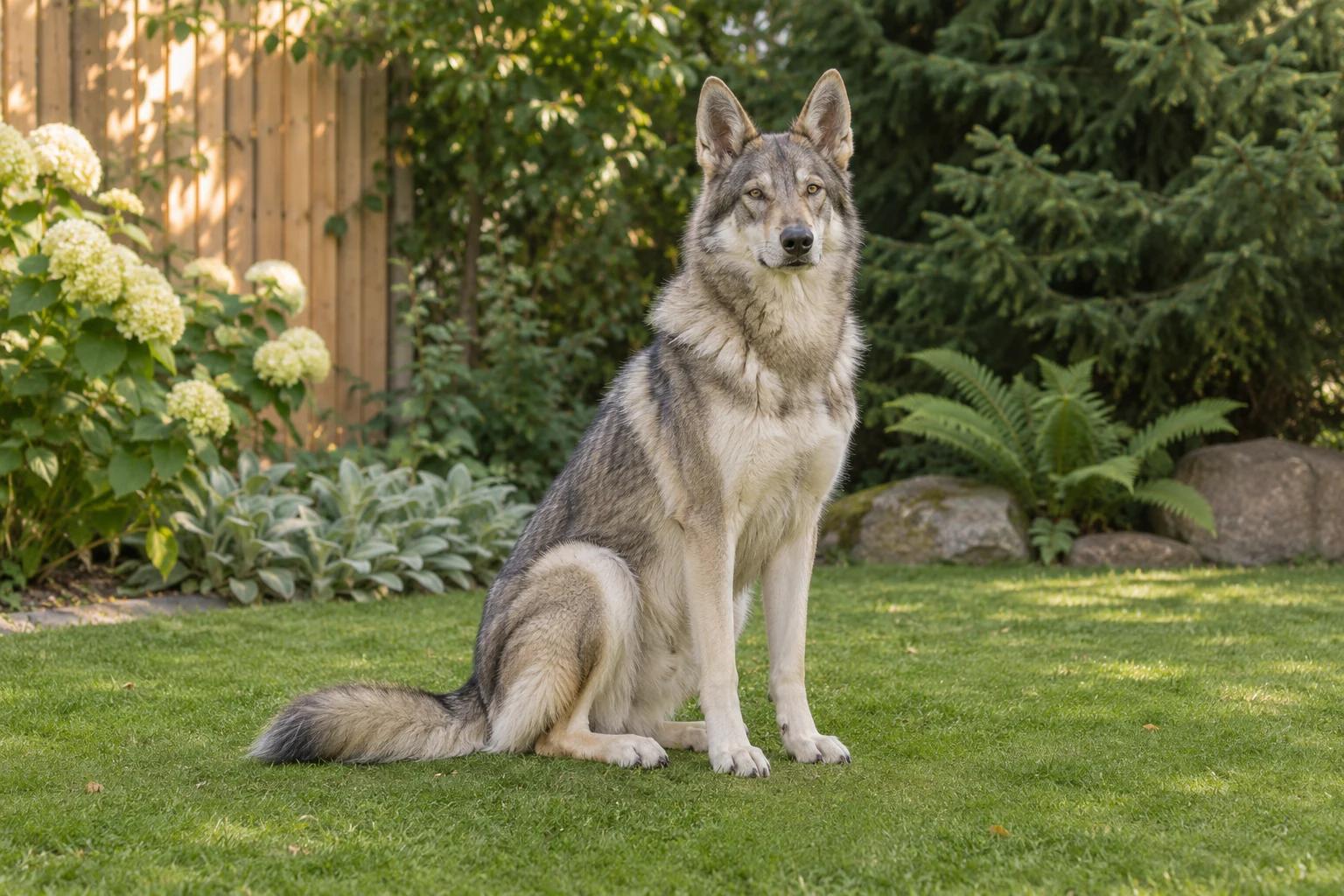
Saarloos Wolfhond training works best when the lesson has a clear purpose in ordinary life. You need ways to share space, move through the day and communicate what comes next, not a performance that looks impressive only in a quiet living room. Decide what successful learning would actually help you do together.
Start with a short list: a comfortable pause while you prepare a walk, a familiar place to stand for ordinary care, or moving away from a doorway when asked. These are concrete tasks. “Be more obedient” is not a clear instruction for either member of the partnership.
Saarloos Wolfhond training without a contest
The FCI standard describes an independent, devoted companion that can avoid unfamiliar situations. Those tendencies are not a reason to turn training into a struggle over status. Work with the dog in front of you rather than trying to prove a point about the breed.
Consider what you are asking physically. Is the floor slippery? Does the requested position put the dog between furniture? Have you left enough room for the whole body to turn? A failed attempt may reveal a poorly arranged exercise rather than an unwilling learner.
Choose a practice space where you can remain still without blocking the dog. Put distracting household jobs aside. If you are answering the phone, carrying laundry and repeatedly calling a cue, neither of you has a clean opportunity to learn what that cue means.
How to train a Saarloos Wolfhond with clear rewards
Dogs Trust's reward guidance emphasizes rewards the individual values and prompt delivery after the desired action. Food, play and attention do not have equal value to every dog. Food rewards also belong within the day's allowance rather than being an invisible extra meal.
Choose a reward that fits the task: quiet food delivery is easier to combine with standing still than an energetic game. Have it ready before asking for the action. If you use a marker, follow it with the reward rather than letting the signal become an empty promise.
A practical household detail is where you stand after rewarding. If the next repetition requires you to step over the dog, move a chair or reach across its head, redesign the setup. The exercise should be easy for you to repeat accurately, not merely possible once.
Saarloos Wolfhond obedience: teach a useful pause
A brief stay can help while you put on your coat, but begin away from the busy exit. Dogs Trust's stay lesson starts in a comfortable position with a very short delay before rewarding beside the dog. Increase duration gradually; introduce movement in tiny amounts, returning to reward in position. If the dog gets up, make the next attempt easier rather than reprimanding it.
For your first doorway application, practise while nobody is arriving or leaving. Ask for the familiar pause, move one hand toward your coat and return. Opening the door is a separate challenge, not a necessary part of this first exercise. Keep the actual exit secure throughout.
Do not use a newly learned pause as your only barrier to the street. Training and physical safety solve different problems. A household member may open the door without knowing that a lesson is underway, and a familiar skill is not an escape-proof system.
Make the household cues consistent
Choose the words you will actually use. If one person says “wait” for a brief pause and another uses it to mean “do not take that object,” the dog is being asked to interpret two different jobs. Agree on the meaning before correcting anybody's performance.
You do not need a lengthy rulebook. Tell family members which behaviour is being taught and show them one successful repetition. A demonstration can expose differences that a verbal description misses, such as whether the dog should remain beside a chair or merely stay somewhere in the room.
Practise handing the task between people without crowding around. One person works with the dog while the other watches from elsewhere. If everyone gives instructions at once, it becomes difficult to know which action produced which response.
Saarloos Wolfhond socialization is not a public examination
Keep practical learning distinct from a demand to impress strangers. A useful goal might be travelling to a familiar quiet location and doing an ordinary activity there, not demonstrating every skill to an audience. The separate first-meeting reserve guide explores greetings; this training plan focuses on the tasks you share regularly.
When considering a class, ask to observe without bringing your dog first. Look at the available working space, the entrances and the way the instructor handles dogs needing a different setup. Can people leave an exercise without walking through another team's space? Would you be able to hear instructions clearly?
Explain your actual goals to the instructor. You may need help with coat-care positioning or preparing for walks rather than competition exercises. A lesson should make ordinary life more manageable, not force every household into the same ambitions.
Troubleshoot the task rather than the breed label
When a pause fails, identify the precise movement that preceded it. Did you reach for the lead or did another person enter? Simplify that part.
Avoid practising through obvious discomfort. New difficulty with sitting, standing or ordinary handling deserves veterinary attention, not a more insistent cue. A trainer can help clarify learning; a veterinarian assesses possible physical causes.
Use the Saarloos Wolfhond profile to consider the wider ownership commitment, and the dog match quiz if you are still choosing. Good training is a continuing conversation built into normal life, not a certificate that removes the need for thoughtful handling.
FAQ
Is a Saarloos Wolfhond impossible to train?
No. Start with specific, useful household actions rather than treating a breed label as a verdict on the individual. Clear goals also help you recognize progress that is less dramatic than a polished performance.
Should everyone use the same training words?
Yes, agree on what each cue asks the dog to do. Showing another household member an actual repetition is often clearer than giving a vague instruction to be consistent.
What should I do when a familiar position becomes difficult?
Stop insisting on the position and consider comfort. A new problem with ordinary movement or handling warrants veterinary advice before you assume it is a training dispute.
Sources behind this article
Article source checked: November 16, 2026. Source checked 2026-11-16
Keep reading

Affenpinscher Training: Build Useful Everyday Habits
Read article →