Russian Tsvetnaya Bolonka Temperament: Daily Company
Explore Russian Tsvetnaya Bolonka temperament through shared activities, comfortable interaction and practical expectations for a small companion.
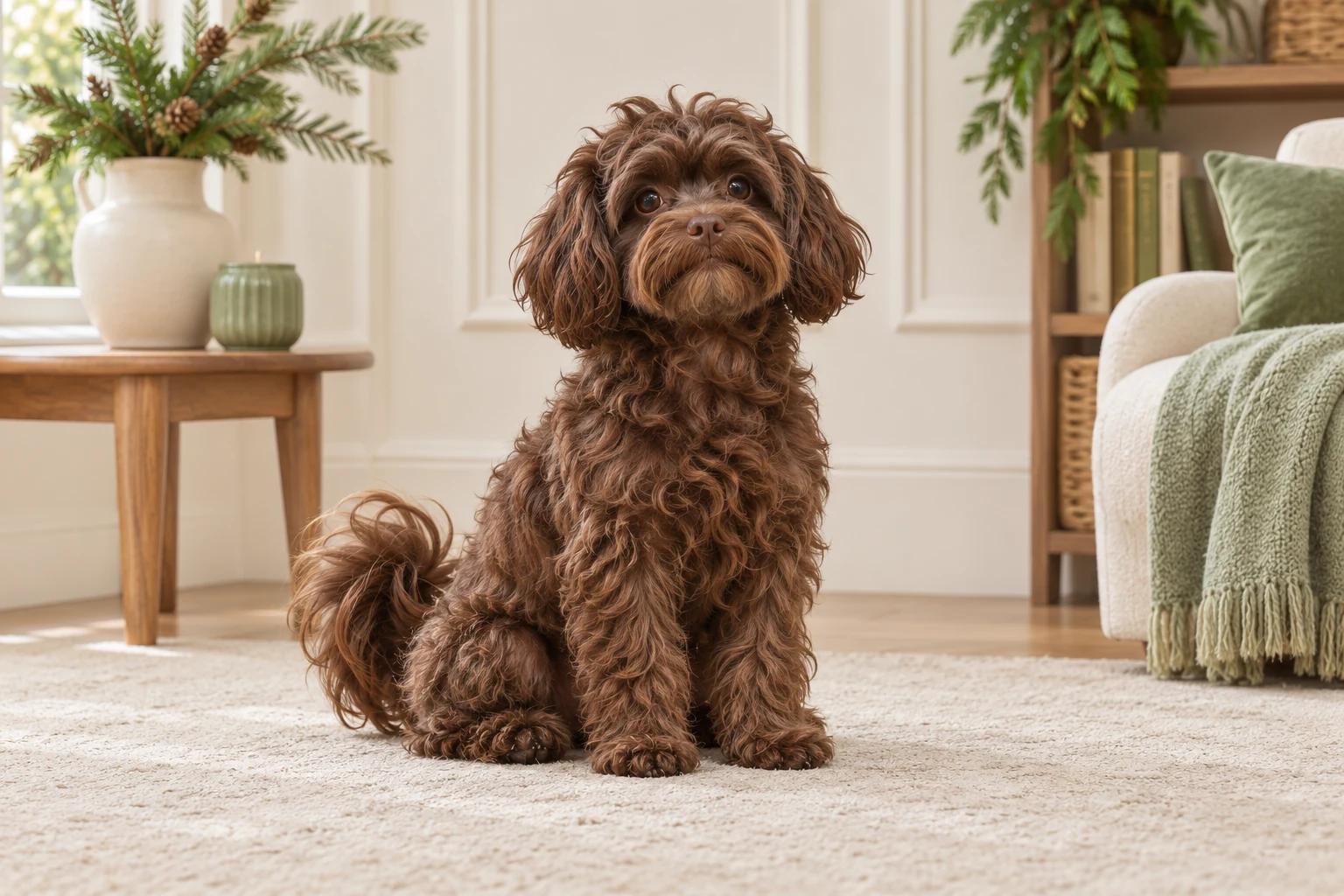
Explore the
Russian Tsvetnaya Bolonka
Background, care, and everyday considerations.
View breed profile →Russian Tsvetnaya Bolonka temperament is best understood through the ordinary relationship you want with a dog. Do you enjoy sharing small activities, teaching a useful skill and having a companion nearby while you do something else? Those are more informative questions than whether the dog looks content in somebody's arms.
Small size can make it tempting to organise every interaction by picking the dog up. A richer relationship gives the dog opportunities to participate from the floor as well, instead of being carried from one human activity to another.
Russian Tsvetnaya Bolonka temperament: a companion first
The AKC standard describes an even-tempered, intelligent companion. That is a breed ideal, not a prediction about every greeting or a guarantee of an individual dog's behaviour.
AKC's ownership overview emphasises cheerful, affectionate involvement with people and an interest in reward-based learning. Think of that involvement as something to share, not a promise that the dog will entertain itself whenever you are busy.
One useful arrangement is to have a comfortable place for the dog beside your usual evening activity. You can read, talk or work while leaving space for it to settle. At another time you can give it your full attention. Those are different experiences, and both belong in a realistic picture of companionship.
If your idea of a pet is mainly an attractive presence in the room, spend time watching the less photogenic parts of care before deciding. Toileting trips, grooming and teaching remain part of the relationship after the novelty has worn off.
Russian Tsvetnaya Bolonka personality at your feet
Consider how a small dog experiences a busy kitchen or entrance. People set bags down, open cupboards and shift chairs. A place that looks empty from your height may be the middle of the dog's usual route.
Watch one ordinary transition, such as everyone leaving the table. Is the dog resting under the chair that moves first? Does it have to squeeze between feet to reach its own space? Moving a bed or changing where bags are placed can make that moment simpler without labelling the dog clingy or troublesome.
This does not require a house in which nothing ever moves. It requires noticing where a predictable collision of activities occurs. Let the dog have somewhere useful to be while the people complete their task, then invite it to join the next part of the day.
Nearby company need not mean sitting on a lap. Let the dog choose.
Learn something together, without making it a test
Battersea's nose-touch guide begins with a relaxed dog and an offered palm, rewarding investigation before asking for nose contact. Add the word “touch” once the action is familiar. If the dog withdraws or loses interest, make the exercise easier or stop.
Try the first invitation seated, with your hand at a comfortable reachable height. Do not require a jump toward your palm. Reward the small action you intended rather than adding a sit or a prolonged wait. A successful moment can end there; a beginner does not need a performance routine.
The value is not proving that your Bolonka is clever. You learn how clearly you communicate, which reward interests the dog and whether the setting allows attention. A missed response can mean your instructions are unclear, not that the dog has a difficult personality.
Leave the exercise out of situations where safety depends on immediate success. Teach at home before expecting a cue to organise a crowded doorway or an exciting outing.
Russian Tsvetnaya Bolonka characteristics are not compatibility scores
Descriptions such as sociable and affectionate do not establish that a particular dog will enjoy every person, child or animal. Look for information about the individual's everyday life rather than treating the breed name as an introduction plan.
Ask a current caregiver for examples. What happens when someone unfamiliar enters? What does the dog do after the initial excitement? Does it choose another activity, remain nearby or seek distance? These answers provide a sequence you can understand, rather than a single rating such as excellent with everyone.
When meeting a dog yourself, avoid arranging an audience. A quieter encounter gives you more opportunity to see ordinary choices. If the dog moves away, do not have another person block the route so you can finish greeting it. You are learning about a relationship, not completing a handling inspection.
Consider the wider household too. A larger resident animal may move through shared space very differently. Look at routes and resting places instead of assuming that friendly intentions solve every practical problem.
Shared activities should fit the day you actually have
Choose an outing that fits the actual weekday: look at the entrance, pavement congestion and the places available to pause. A route that works on Sunday morning may be awkward beside the same road during school pickup.
At home, vary the interaction rather than continuously increasing excitement. One occasion might be learning together; another might be calm company while you prepare for the evening. Do not make each glance from the dog trigger a new game if you cannot sustain that pattern.
Plan for occasions when attention is unavailable. If time apart causes distress, seek qualified help rather than assuming a companion breed must simply endure it or that the problem is inevitable. An individual plan is more useful than a breed stereotype.
Describe Russian Tsvetnaya Bolonka behavior precisely
“Walked away when I reached for the brush” gives you something concrete to investigate. “Stubborn” does not. “Waited by the door after our usual walk time” is clearer than “demanding.” Specific descriptions make it easier to adjust your approach and to explain concerns to a professional.
A new change in contact, movement or engagement deserves veterinary advice when concerning. Do not stretch a personality description to explain something unlike the dog's usual behaviour.
Use the Bolonka profile and dog match quiz to consider the broader fit. For the separate appearance topic, see the height-standard explanation.
FAQ
Does every Bolonka want constant handling?
No. Learn the individual's preferred way to spend time with you rather than assuming every nearby moment should become a cuddle.
Is a quick learner already trained?
No. A reputation for learning does not supply an understanding of your words, household or expectations. Teaching is part of ownership.
Should one missed response change my view of the dog?
No. Consider the setting and clarity of the task. One attempt is not a reliable personality assessment.
Sources behind this article
- AKC: Russian Tsvetnaya Bolonka standard ↗
- AKC: Is the Russian Tsvetnaya Bolonka right for you? ↗
- Battersea: Teach your dog a nose touch ↗
Article source checked: November 16, 2026. Source checked 2026-11-16
Keep reading
Russian Tsvetnaya Bolonka Size: Build and Everyday Fit
Read article →