Russian Tsvetnaya Bolonka Grooming: A Practical Routine
Plan Russian Tsvetnaya Bolonka grooming around the individual coat, comfortable handling, facial hair and sensible help with tangles.
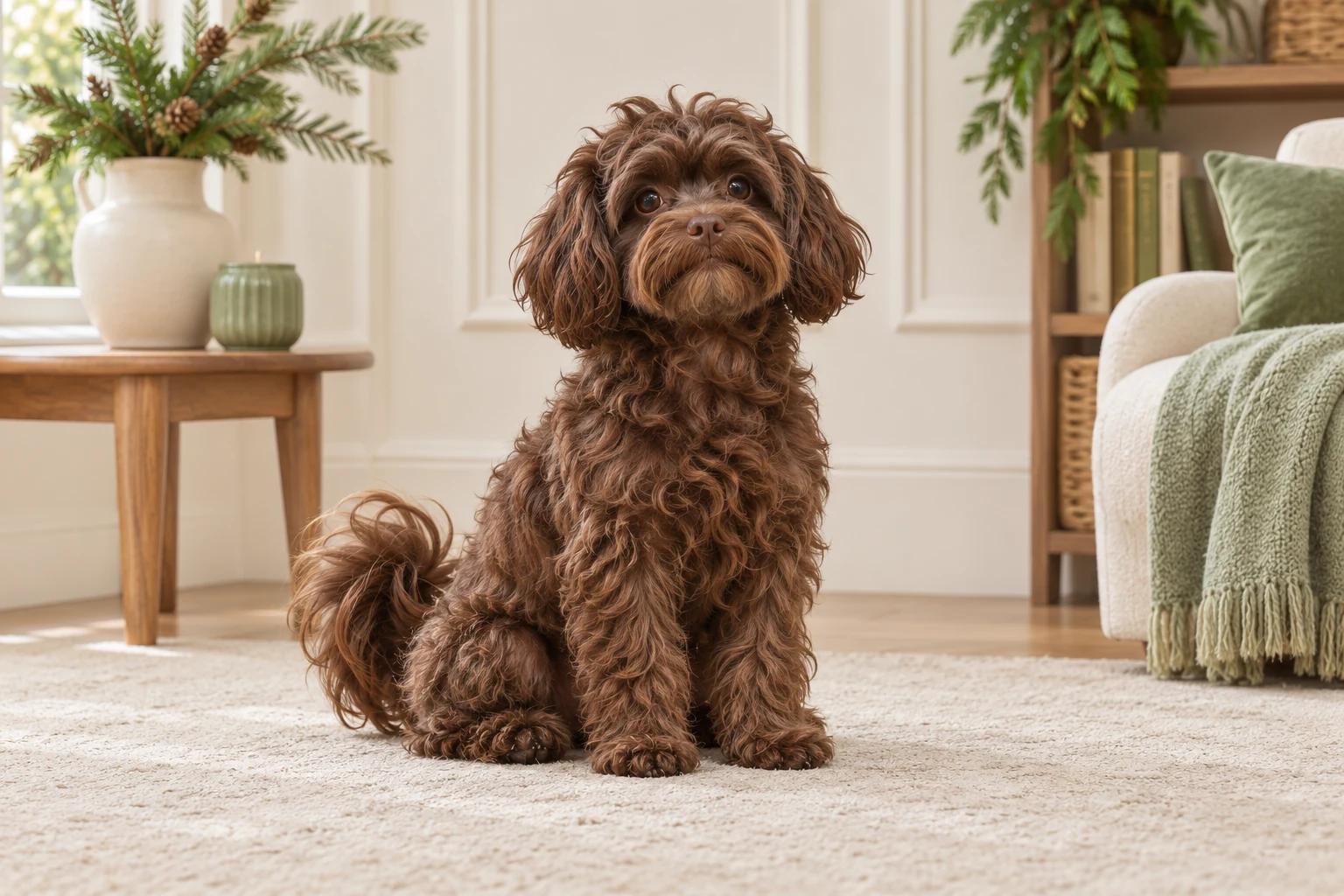
Explore the
Russian Tsvetnaya Bolonka
Background, care, and everyday considerations.
View breed profile →Russian Tsvetnaya Bolonka grooming is a hands-on part of ownership, not simply a way to prepare a cute photograph. The useful goal is a coat you can look through and care for comfortably, with the dog willing to take part. Start with the actual coat and the work it needs between professional appointments.
A small dog can still have a substantial grooming job. Allow room for the task rather than assuming it can always be squeezed into a few distracted moments on your lap.
Russian Tsvetnaya Bolonka grooming starts with the coat
The AKC standard describes a long, dense, soft coat with undercoat, forming curls or pronounced waves, plus a beard and moustache. A tousled appearance is part of the breed's look; it does not establish that the hair is free of knots underneath.
Ask an experienced groomer to demonstrate the tools on your Bolonka, including what to do when a comb meets resistance.
Compare tools by their working parts rather than their packaging. A wide handle might be comfortable in your hand yet obscure your view of a tiny section. A large brush head may be awkward around a small dog's face. Bring your own equipment to the demonstration so you can see whether it suits the job, instead of buying a second set on speculation.
Make the position comfortable for both of you
Animal Trust's veterinary grooming guide recommends a non-slip surface, comfortable positioning, brief rewarded practice and breaks. It advises against forcing a frightened or struggling dog through grooming. Tight mats, sore skin or pain warrant veterinary advice, and scissors should not be used to cut mats close to skin.
Work beside the dog with equipment ready. Stop at discomfort and ask for help if care remains difficult.
Change your seat or lighting if you cannot see clearly, rather than pulling the dog into position. For example, a dark coat against a dark towel can make it difficult to see the hair you are working on. Try a contrasting background and light from the side rather than shining a lamp into the dog’s eyes. Keep the comb on the side of your working hand, so you are not reaching across the dog each time you put it down. Test the arrangement beforehand; awkward reaching is easier to discover before you begin.
Russian Tsvetnaya Bolonka coat care: work on the whole job
Choose one manageable area and finish assessing it before moving elsewhere. It is easy to keep brushing the most accessible part because that produces a satisfying pile of loose hair. Meanwhile, a less visible section may remain untouched.
Follow the demonstrated sequence, but stop before the dog becomes uncomfortable.
Persistent resistance from the comb needs professional assessment, not a harsher implement.
After an appointment, find out what maintenance is now required. A changed coat length or style may change how you use the tools. Do not assume that last month's routine transfers unchanged to a different finish.
Give the face its own small routine
AKC's breed-care notes draw attention to the facial hair of dogs kept in full coat. Check it after eating or drinking rather than assuming the next body-grooming session will cover everything. Where needed, arrange gentle cleaning suitable for the individual.
Keep this task distinct from combing the whole dog. Have a clean cloth available near the place you normally attend to the face. Do not chase the dog around the kitchen with a brush because breakfast left something in the hair. If facial care is hard to perform comfortably, ask your groomer or veterinary team to demonstrate an appropriate approach.
Do not copy a decorative hair accessory from a show photograph without learning how it fits and comes off.
Bathing and Russian Tsvetnaya Bolonka shedding
The ASPCA's grooming guidance distinguishes normal shedding from concerning coat changes. Regular suitable brushing can help manage loose hair, but it does not stop the normal process. Ask a veterinarian about bald areas, irritated skin or persistent scratching rather than treating them as a cleaning problem.
For bathing, ASPCA recommends a dog-appropriate shampoo and keeping water and product away from eyes, ears and nose. A damp washcloth can clean the face without shampooing the head. Ask your veterinarian which product suits the dog's needs rather than selecting a fragrance for your own preference.
Set out supplies before bathing and keep the dog attended throughout.
How to groom a Russian Tsvetnaya Bolonka sustainably
Choose a routine you can repeat without rushing. Put the everyday tools where they are easy to retrieve, clean them after use and keep them out of the dog's reach. Good preparation reduces interruptions; it does not replace learning the technique.
The Bolonka breed profile places coat care in the wider ownership picture. Try the dog match quiz if you are still considering the commitment. The separate height and standard guide covers appearance measurements, not the care needed by the individual coat.
FAQ
Does a tidy surface mean the coat is finished?
No. Ask your groomer to show you what a finished section looks and feels like.
Should I persist when grooming becomes uncomfortable?
No. Stop and seek appropriate help rather than completing a session through resistance or pain.
Can a professional appointment replace home maintenance?
Ask what care is needed between appointments. The right arrangement is one you understand and can carry out, not simply a date for the next visit.
Sources behind this article
- AKC: Russian Tsvetnaya Bolonka standard ↗
- AKC: Russian Tsvetnaya Bolonka facts ↗
- Animal Trust Vets: Dog grooming guide ↗
- ASPCA: Dog grooming tips ↗
Article source checked: November 16, 2026. Source checked 2026-11-16
Keep reading

Affenpinscher Grooming: A Practical Coat-Care Routine
Read article →