Rottweiler carting: what to notice at your first event
Learn how Rottweiler carting combines trained skills and equipment fit, what the entry level means, and what to observe before committing to this working sport.
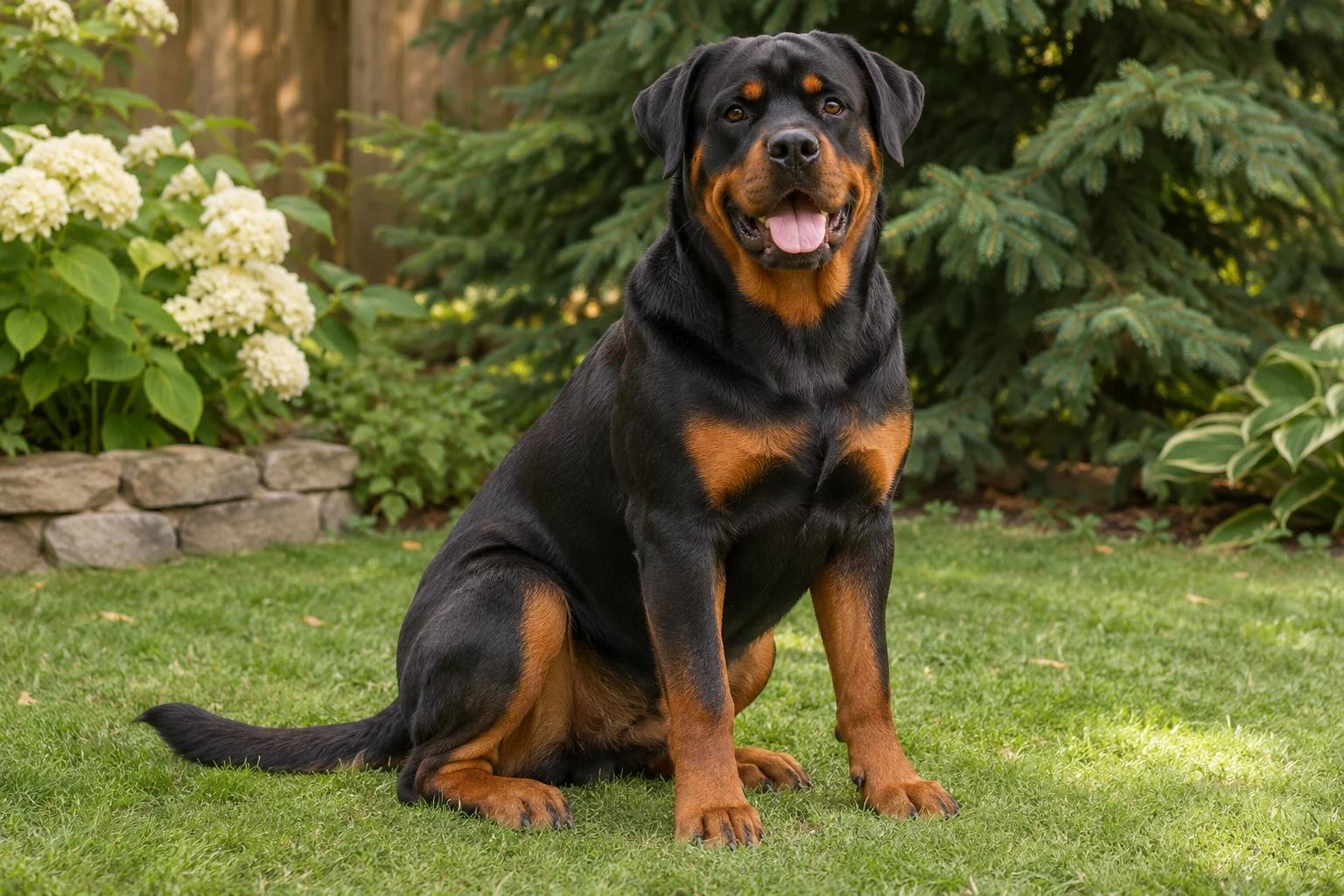
Carting is more than pulling a load
At a carting event, the interesting work is often a controlled stop or a careful turn. The American Rottweiler Club connects the sport with the breed’s history and describes it as a partnership built on obedience, patience and suitable equipment. A powerful appearance is not evidence that a dog is ready to pull anything.
The club’s Carting Started level is performed on lead. Intermediate and Excellent add different demands, including off-lead work or driving. Beginners can use those distinctions to understand what they are watching, without treating the advanced performance as a target for their first lesson.
Watch the moments between forward movements
The published ARC rules include harnessing, turns, stopping, changes of pace and backing. Pick two of those elements to follow while watching a team. Notice the handler’s timing and how much space the cart needs. A smooth turn includes the dog, the shafts and the wheels; it is not just a change in where the person walks.
Keep an observation sheet with three headings: movement, equipment, and waiting. Under movement, note the skills being demonstrated. Under equipment, record questions about fit and adjustment. Under waiting, notice how teams prepare before entering. Do not interrupt a working team to inspect its harness; arrange a suitable conversation after the exercise.
Make readiness a separate decision
ARC advises waiting until the dog is fully grown, sound and able to do the work, and recommends experienced help rather than beginning alone. Its guidance also emphasizes correctly fitted equipment and a gradual introduction. Discuss individual suitability with your veterinarian and a qualified carting instructor before arranging hands-on training.
For planning purposes, list the costs and logistics that would exist before any competition: instruction, a fitting, transport, storage and access to appropriate practice space. Leave the load and training progression to the professionals working with your dog. Copying a competition specification into a home exercise plan skips the assessment and preparation that matter.
A useful first day may involve no cart at home
You can leave an event with a clearer view of the sport and no purchase at all. If basic walking or handling skills need work, those can become the immediate goal with a reward-based trainer. If the logistics do not fit, another activity may. The purpose of exploring carting is to discover a suitable partnership, not to prove that a Rottweiler can perform its historical role.
Sources behind this article
Article source checked: October 20, 2026. Source checked 2026-10-20
Keep reading
Rottweiler vs Bullmastiff: Build, Care and Daily Life
Read article →