Ragdoll vs Siberian: Compare Company, Coat and Everyday Care
Compare Ragdoll vs Siberian appearance, coat care, play and company while leaving room for individual preferences and practical responsibilities.
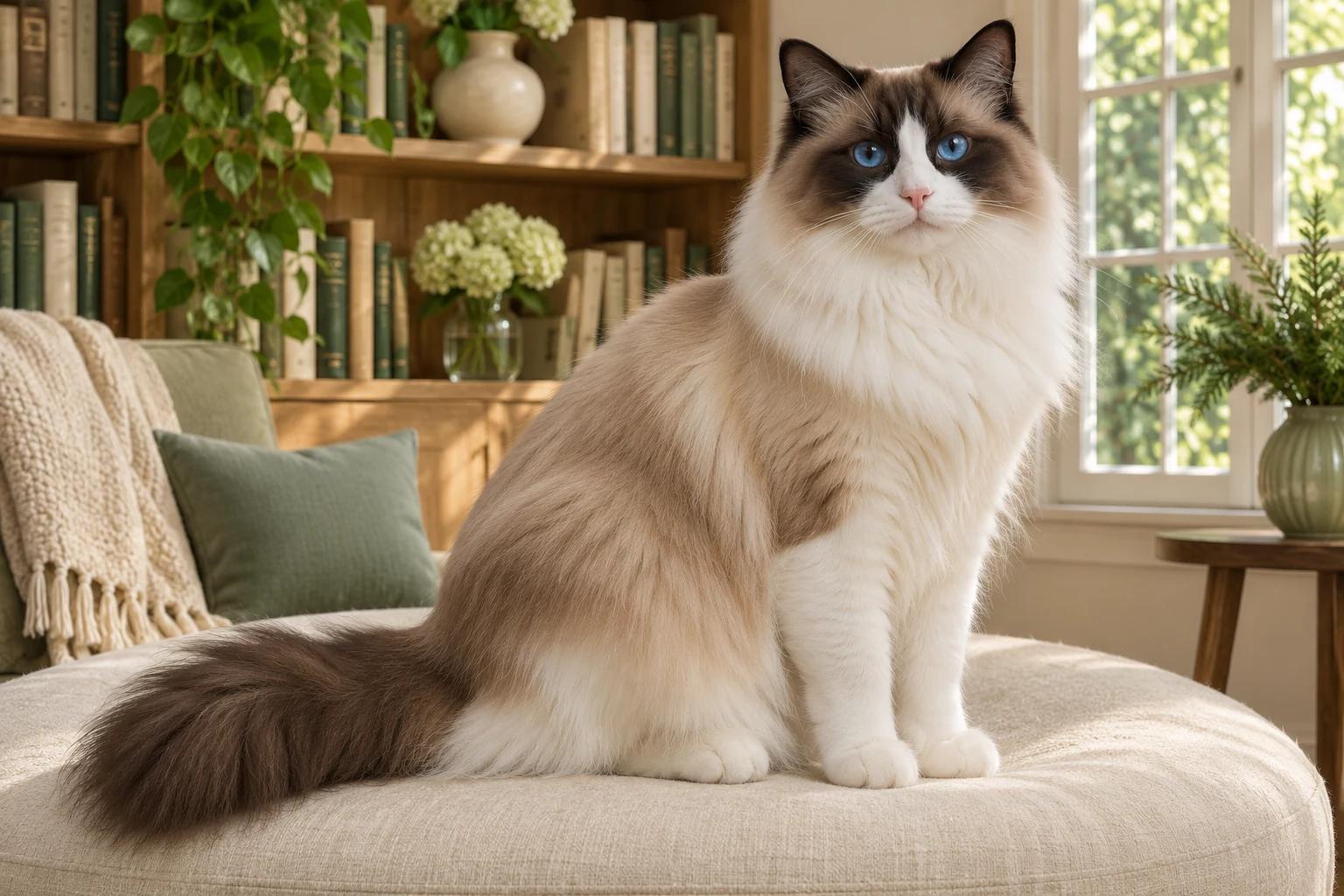
Ragdoll vs siberian brings together two substantial, long-coated companions whose photographs can overshadow their daily needs. The Ragdoll's pointed appearance and blue eyes differ from the Siberian's broader range of looks and dense, seasonally changing coat. Neither appearance tells you how a particular cat prefers to play, whether it enjoys being touched or how much help its coat needs.
If you are considering a ragdoll or siberian, use the breed descriptions to prepare better questions. Compare the actual animals, their accepted care and the environment you can provide rather than choosing a promised temperament from a picture.
Ragdoll vs Siberian: identify the main distinctions
The Ragdoll profile describes a large, blue-eyed pointed cat with a semi-long coat. The Siberian profile describes a substantial animal with a layered coat that changes seasonally. CFA's breed accounts likewise distinguish the Ragdoll's silky texture from the Siberian's dense coat.
Those descriptions are useful when discussing care, but they are not a way to certify identity from a photograph. Ask what records support a pedigree claim. If background is uncertain, keep that uncertainty in the conversation instead of assigning ancestry from markings or fur alone.
A difference between ragdoll and siberian may be immediately visible, yet the less visible differences between two individual cats can matter more after adoption. Ask about familiar handling, preferred resting places and the circumstances in which each animal seeks company.
Compare the grooming demonstration, not just the coat label
The current Ragdoll profile starts with combing once or twice weekly to remove loose hair and tangles. It specifically asks owners to learn a method that reaches through the coat rather than only smoothing the surface. The Siberian profile emphasizes checks of the underside and tail, with adjustment as the coat changes through the seasons.
Ask each caregiver to show the routine already used. Which tool is accepted, which areas need more attention and what happens when a tangle is difficult? The answer should explain the individual coat rather than promise that either breed can never mat.
A siberian vs ragdoll decision should include access to professional help if care becomes difficult. Enjoying a full coat in a photograph is different from being ready to maintain it comfortably. Do not assume a gentle reputation means the cat will accept an unfamiliar or uncomfortable grooming method.
Do not treat calm as permission to carry
The Ragdoll's current profile explicitly distinguishes affectionate company from tolerance of lifting or restraint. A cat can choose to sit beside you and still prefer to keep its feet on a surface. That distinction is equally relevant to the Siberian individual you meet.
The existing Ragdoll handling-boundaries guide explores that issue in detail. Read it separately rather than asking either candidate to demonstrate how much handling it will tolerate. Let the cat approach and depart during a meeting.
Adults should supervise children and explain which resting places stay undisturbed. Other animals also need their own introduction assessment. Neither breed's sociable description establishes automatic compatibility with a particular household member or resident pet.
Ask what play looks like for the individual
CFA describes both breeds as interested in interaction, while the site presents the Ragdoll's activity as moderate and the Siberian as curious and sociable. Those are starting descriptions, not a competition in intelligence or energy. Ask about games the actual cat returns to and when it normally stops.
A short demonstration can show one preference but not an entire day's needs. Learn about ordinary mornings, evenings and periods when people are busy. Include the quieter parts of the routine rather than judging the animal only by the most engaging moment of a visit.
FelineVMA's indoor-cat guidance combines activity with retreat, appropriate resources and positive contact. Provide choices for either breed. A home should allow comfortable participation and undisturbed rest instead of treating a large cat as either a permanent ornament or constant entertainment.
Make equipment fit a practical comparison
The Ragdoll profile uses adult references of 10–15 pounds for females and 15–20 pounds for males. Such descriptions are not individual predictions or feeding targets. For either breed, ask about the animal's actual size, movement and familiar equipment.
Check usable carrier space, openings and secure handling rather than buying only by a weight category. Look at resting surfaces and the routes used to reach them. Follow installation and load instructions for raised furniture, including possible shared use by more than one animal.
A substantial build does not diagnose body condition. Ask your veterinarian about a concern or a change in weight rather than trying to move a cat toward a breed average. The comparison cannot provide an individual nutrition plan or tell you which kitten will become the larger adult.
Keep health questions attached to records
Ask what veterinary history and screening information belongs to each cat and which questions remain open. A registry account or pedigree cannot establish general health. Review the actual documentation with your veterinary team rather than ranking one breed as universally healthier.
Likewise, coat type should not be turned into an assurance about a person's allergy response. This comparison makes no suitability claim for an allergic household. Keep personal health questions with the appropriate professionals instead of relying on a seller's promise about a breed.
Notice whether the caregiver answers practical questions directly. An honest explanation of an ongoing responsibility is useful information. A blanket assurance that there is nothing to worry about leaves you less prepared than a clear account of what is known and what needs checking.
Choose a routine you can sustain
Use the cat quiz to organize your preferences about activity, company and care. Then write a short account of each candidate based on real observations and history: a familiar game, a contact preference and a coat-care task you would need to learn.
Include backup arrangements during absences and access to veterinary or grooming help. The useful choice is the cat whose needs you understand and can support. A breed comparison helps structure that decision, but it cannot remove the individual from it.
Frequently asked questions
Is a Ragdoll guaranteed to enjoy being held?
No. The current profile separates affection from tolerance of lifting or restraint. Ask about the individual and respect its choices during contact.
Does a Siberian coat need the same routine as a Ragdoll's?
Not automatically. The site describes different textures and care references. Learn the actual coat's needs and adjust with appropriate advice when circumstances change.
Which breed is more playful?
This article does not establish an individual ranking. Ask about each cat's familiar games and routine rather than expecting a breed label to decide its energy level.
Can size references determine portions?
No. Published breed weights are not feeding targets. Discuss individual body condition and nutrition with your veterinarian.
Sources behind this article
Article source checked: November 20, 2026. Source checked 2026-11-20
Keep reading

Abyssinian vs Somali: Coat, Size and Everyday Company
Read article →