RagaMuffin Cat Size: Understand Upper Weights and Real Fit
Understand RagaMuffin cat size and upper-weight descriptions without inventing complete ranges or individual growth and feeding targets.
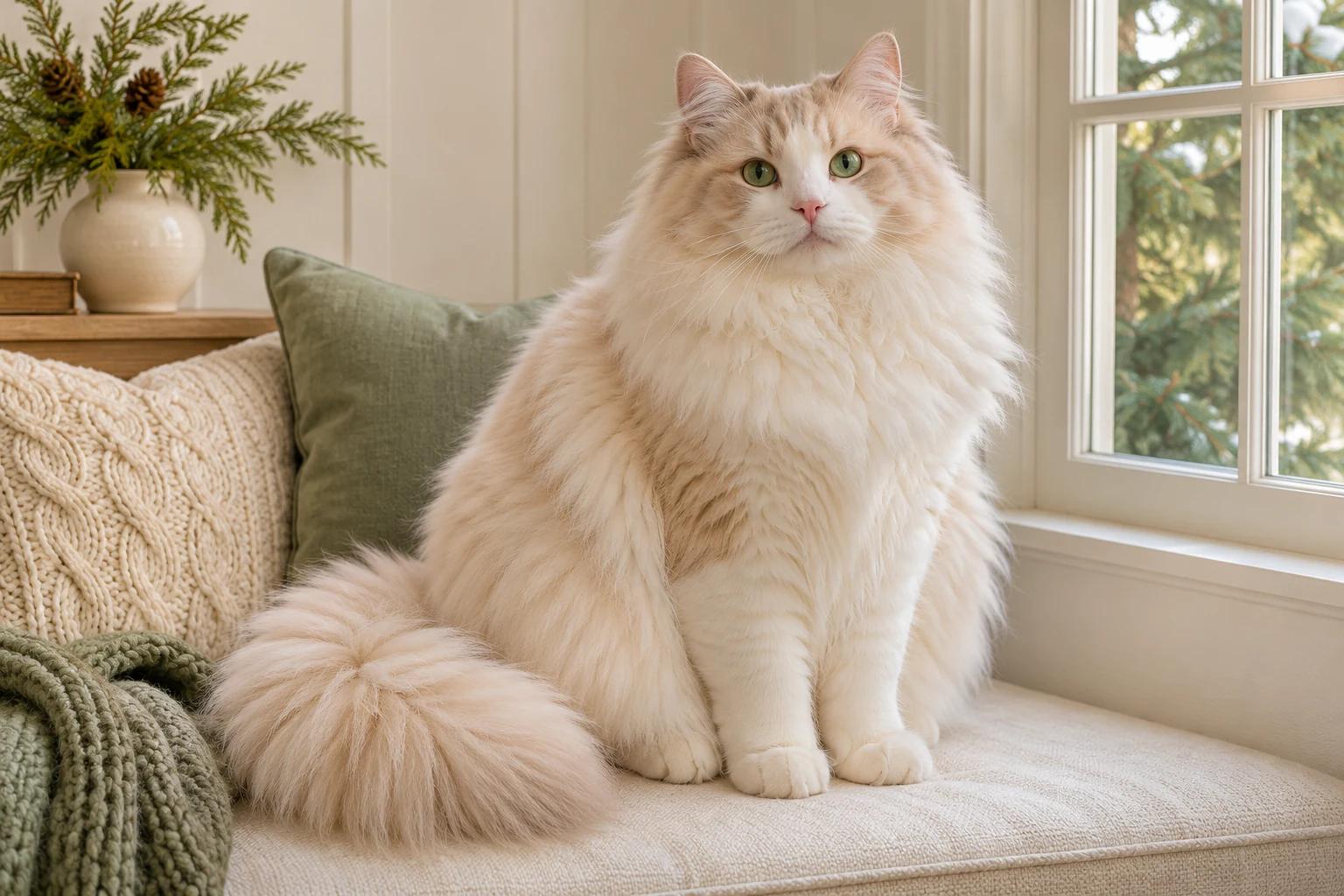
Ragamuffin cat size is described by CFA as medium to large, with substantial bone and a full coat. Its numerical account describes males reaching up to twenty pounds and females peaking closer to fifteen. Those are upper-end descriptions, not complete reference intervals and not targets for feeding an individual. A smaller adult has not failed to become a proper RagaMuffin.
This guide keeps ragamuffin cat weight references in their published scope. It also explains how to prepare equipment for a substantial animal without inventing height figures, growth promises or a plan to make a kitten as large as possible.
RagaMuffin cat size: an upper figure is not a range
The current RagaMuffin profile retains CFA's upper-only account in its detailed breed description. It matters that the source does not supply a lower boundary: we should not manufacture one by combining an unrelated number with the published upper figure.
Likewise, an upper description does not establish a typical or ideal weight. When you ask about a candidate cat, request age, recent measurements and relevant veterinary observations. Keep those facts separate from a general explanation of the breed.
People asking “how big do ragamuffin cats get?” may be choosing between kittens based on expected size. A more useful conversation concerns the animal's history and the practical responsibilities of caring for it. No figure in a breed description can guarantee the final body of a particular kitten.
Mark upper-only numbers as upper-only
On your preparation note, label the male statement “up to 20 lb” and the female statement “closer to 15 lb,” then leave lower-bound cells explicitly unspecified. Do not turn “unspecified” into zero or borrow a boundary from another breed. Record the individual’s dated clinic weight in a separate field. This is a different tool from a complete range chart: it preserves the exact limitation that matters in CFA’s account, so a future reader cannot mistake those upper descriptions for a prediction or a feeding objective.
Coat and body create different impressions
CFA describes a substantial structure beneath a full, silky coat. That coat can soften the outline and make a seated cat look different from the same animal standing or stretched out. Neither view replaces an assessment of body condition.
When choosing a bed, look at the usable resting surface rather than the decorative outer dimensions. Observe the positions the cat normally chooses. An animal curled tightly in one photograph may prefer more room when resting comfortably at home.
Do not infer weight simply by comparing fur with another longhaired breed. Nor should a broad-looking outline be treated as a diagnosis. Ask your veterinarian about body condition or a concerning change instead of trying to resolve it through a photograph or an online ranking of the biggest cats.
Why this article gives no RagaMuffin cat height
The reviewed material supports a substantial body description and upper-end weights, not a verified shoulder-height interval. A number measured to the top of the ears would not be the same as shoulder height, and a stretched length would answer another question entirely.
If you need to assess a particular opening or piece of equipment, explain the practical problem. Can the cat turn inside a carrier? Is a resting surface awkward to enter? Is a route to a resource difficult? These questions are more directly useful than a generalized height figure.
Avoid restraining an unwilling animal to collect measurements for a breed comparison. Where handling or movement is difficult, seek professional guidance. Preparation should make routine care easier, not create a new task the cat has to tolerate for the sake of a chart.
Choose a carrier for usable space and secure handling
Start with the individual rather than purchasing the largest-looking product automatically. Check the manufacturer's load limit, interior dimensions, opening and instructions. A carrier rated for the weight can still be poorly suited to the animal's body or the way access is managed.
Ask what carrier the cat already uses and whether travel presents difficulties. Consider how the person responsible can lift and transport the combined load securely. A comfortable plan includes the human task as well as the cat's ability to change position.
Where appropriate, allow exploration of suitable equipment before a necessary journey. Forcing the animal inside briefly does not establish a good fit. If the existing arrangement is difficult, discuss options with your veterinary team rather than waiting until an appointment is imminent.
Match the home to movement, not to a headline weight
A substantial cat needs stable support, but even a light individual can be poorly served by an unsuitable shelf or scratching structure. Follow installation and load instructions and consider whether another animal might share the surface.
Keep essential resources accessible. The cat should not have to complete a demanding jump to reach a necessary resting option, food, water or litter. Watch the individual using the arrangement instead of assuming that a breed's relaxed reputation makes access unimportant.
If a familiar route becomes difficult or the animal stops using a favored place, contact your veterinarian about the change. You can review equipment at the same time without deciding that size alone explains the problem. A new limitation deserves more than moving one object and assuming the concern is resolved.
Body condition belongs in a professional conversation
Cornell's feeding guidance emphasizes individual variation and recommends veterinary help in determining an appropriate weight. Do not increase portions because a published maximum sounds desirable, or restrict food simply because a cat falls outside an informal estimate from another owner.
Bring dated weights and relevant changes in appetite, activity or behavior to the discussion. A weight inside an expected category cannot establish that every aspect of care is appropriate. This article does not calculate calories or provide a growth or weight-reduction program.
If feeding is shared, preserve one current set of instructions. Several people reacting independently to a large-breed reputation can make it harder to explain what the animal is receiving. Clear records support the care plan without turning a breed number into the plan itself.
Prepare for the responsibilities around the size
The RagaMuffin resident-dog introduction article addresses another part of household preparation. Size does not establish compatibility, and a large cat should not be expected to defend its own access to resources against another pet.
The cat quiz can help organize broader preferences about activity and care. Bring those preferences back to the actual animal's routine. Comfortable equipment, accepted grooming and dependable daily help matter more than whether your companion reaches a memorable number on a scale.
Frequently asked questions
Does CFA give a complete RagaMuffin weight range?
Its reviewed account gives upper descriptions: males may reach twenty pounds and females closer to fifteen. This article does not invent lower boundaries or call those figures individual targets.
Does a smaller adult need to gain weight?
Not simply because it is smaller than an upper reference. Ask your veterinarian to assess the individual and its body condition rather than pursuing breed maximums.
What is the breed's shoulder height?
No verified numerical interval is established here. The reviewed sources describe size and body type without supporting a height chart.
Is a carrier's weight limit enough to judge fit?
No. Also examine usable space, access, secure handling and the actual cat's comfortable posture. Ask for advice if the current arrangement is difficult.
Sources behind this article
Article source checked: November 20, 2026. Source checked 2026-11-20
Keep reading

American Bobtail cat temperament
Read article →