Rafeiro do Alentejo Temperament: A Watchful Companion
Understand Rafeiro do Alentejo temperament through visitor routines, boundaries and everyday interaction, without mistaking calmness for passivity.
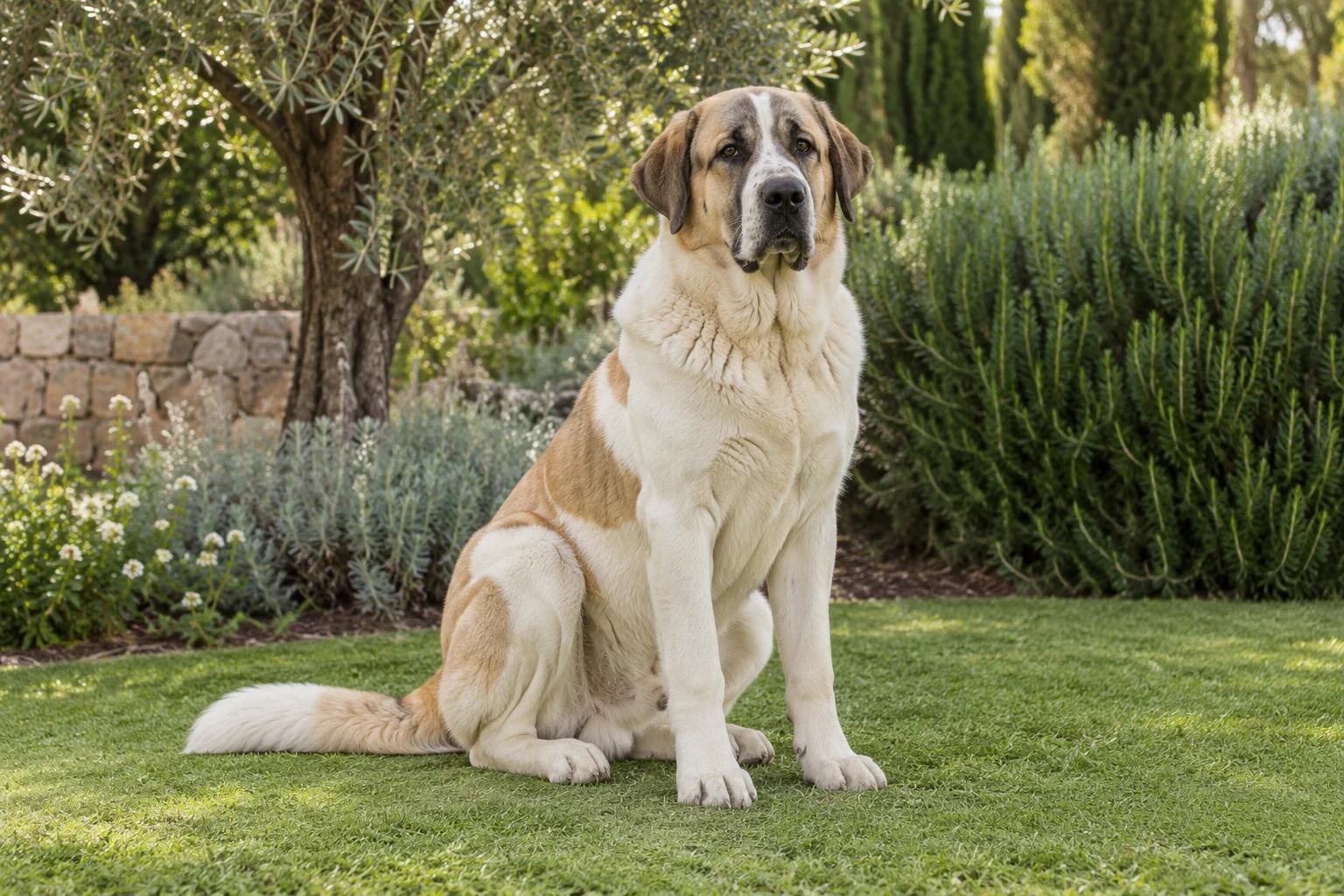
Rafeiro do Alentejo temperament combines a calm presentation with a serious reason to notice what happens around the home. This is not a breed to choose solely because a resting adult looks unhurried. Consider how you would manage arrivals, outdoor boundaries and ordinary movement through your property before deciding whether the relationship fits.
The Rafeiro do Alentejo profile is a useful starting point. Then ask about the individual dog's experience, because living on a working property and living beside a busy shared pavement create different daily situations.
Rafeiro do Alentejo temperament and watchfulness
The FCI standard identifies property and livestock guarding as the breed's function and describes particular vigilance at night. It also describes a calm, confident expression. Calmness and attention to territory are not opposites. FCI standard.
For a companion home, that distinction changes the questions worth asking. Does the dog watch passing activity from a distance, move toward an entrance or remain near a familiar person? What happens after the passerby disappears? You want concrete examples rather than a general statement that the dog is protective.
A quiet afternoon indoors does not establish how a dog responds when a stranger opens a gate. Equally, noticing an arrival does not by itself tell you that a dog is dangerous. Observe the circumstances and obtain qualified help when behavior raises concern instead of assigning a reassuring or alarming label from one moment.
Make the entrance a managed space
Walk the route a delivery person would use. Can they enter the garden before reaching a bell? Does a gate open directly into the dog's exercise area? Is there a second secure boundary between the dog and an opening door?
With a dog of this size, the doorway should not depend on someone holding a collar while balancing a parcel. Arrange the physical space first. A clear delivery point outside the dog area is a different and more dependable measure than hoping every visitor follows a verbal instruction.
Consider the view from the resting place too. A bed positioned against a front window may put every passerby directly in the dog's line of sight. You can provide company in the room without making the busiest boundary the only available place to lie.
These are practical layout choices, not an attempt to turn the dog into a security system. Do not encourage rehearsals in which someone provokes a reaction at the fence to see what the breed will do.
Visitors do not need an immediate greeting
Dogs Trust recommends preparing a dog for arrival sounds gradually and establishing a comfortable resting place away from visitors. It advises returning to easier steps when the dog struggles and seeking accredited behavioral support for difficult visitor responses. Dogs Trust visitor guidance.
Apply that by separating the arrival from any possible introduction. The guest can enter and sit while the dog remains in its prepared area. A greeting is optional, not the proof that your training or hospitality has succeeded.
Tell guests what to do before they arrive. They should not lean over a barrier, reach toward the dog or open an internal door to make friends. A visitor who ignores those arrangements creates a management problem for you, not a socialization opportunity for the dog.
If the dog has a history of growling, lunging, snapping or biting around arrivals, ask your veterinarian and a qualified reward-based behavior professional for an individual plan. Do not use an unfamiliar guest as a practice partner.
Company without constant physical contact
Rafeiro do Alentejo personality should be understood through chosen interaction. Ask where the dog rests when its familiar people are home and what it does when they move to another room. Sharing space may be more informative than a dramatic greeting.
Offer room beside the household activity without placing the bed in a narrow walkway. A large dog needs to rise and turn without people stepping over it. That matters especially around dining chairs, kitchen routes and doors that open inward.
For affection, notice what contact the individual welcomes. Pause rather than continuing automatically. Do not interpret a calm appearance as permission for children or visitors to climb over, hug or disturb the animal while resting.
Compatibility is assessed individually. Separate resting and feeding arrangements, supervision and thoughtful introductions remain necessary even when the dog has been gentle in previous settings.
Outings should leave room for choices
Among Rafeiro do Alentejo characteristics, physical substance matters in ordinary encounters. A narrow path gives you fewer options if another dog approaches closely. Choose routes with room to turn or step aside rather than relying on strength to hold a difficult position.
Practice useful movement in uncomplicated places: walking through a wide entrance, turning with you and stopping beside you without blocking other people. These everyday skills are more relevant than asking the dog to tolerate a crowded event before it is ready.
Do not interpret an unhurried pace as an absence of interest. Notice what the dog is looking toward and whether it can comfortably return attention to you. If a location repeatedly produces difficulty, change the setting and seek help rather than repeatedly testing the same situation.
Understand this dog before choosing the breed
For Rafeiro do Alentejo behavior, ask a caregiver about a visitor, an ordinary walk and an evening at home. Request descriptions of what the dog actually did, including what helped when something was difficult.
Use the dog quiz to compare the commitment with your preferences. The existing seasonal flock-journey article explains a historical angle separately; it does not provide a modern activity prescription.
FAQ
Does a calm Rafeiro automatically welcome strangers?
No. Observe the individual's response to arrivals and keep introductions optional. A relaxed resting posture is not enough information to predict behavior at an entrance or around an unfamiliar person.
Is a large garden enough to make the home suitable?
No. Look at gates, access routes, boundary activity and the space available to separate the dog from visitors. Size of land alone does not answer those practical questions.
What should I ask a current caregiver?
Ask for examples of an ordinary visitor arrival, a walk and a quiet evening. Find out what the dog finds difficult and which arrangements already work, rather than relying only on flattering breed adjectives.
Sources behind this article
Article source checked: November 16, 2026. Source checked 2026-11-16
Keep reading
Rafeiro do Alentejo Size: Height, Weight and Home Fit
Read article →