Pumi training: turn quick learning into useful skills
Build a Pumi training plan with clear goals, short varied practice, thoughtful socialization and practical ways to work with a qualified trainer.
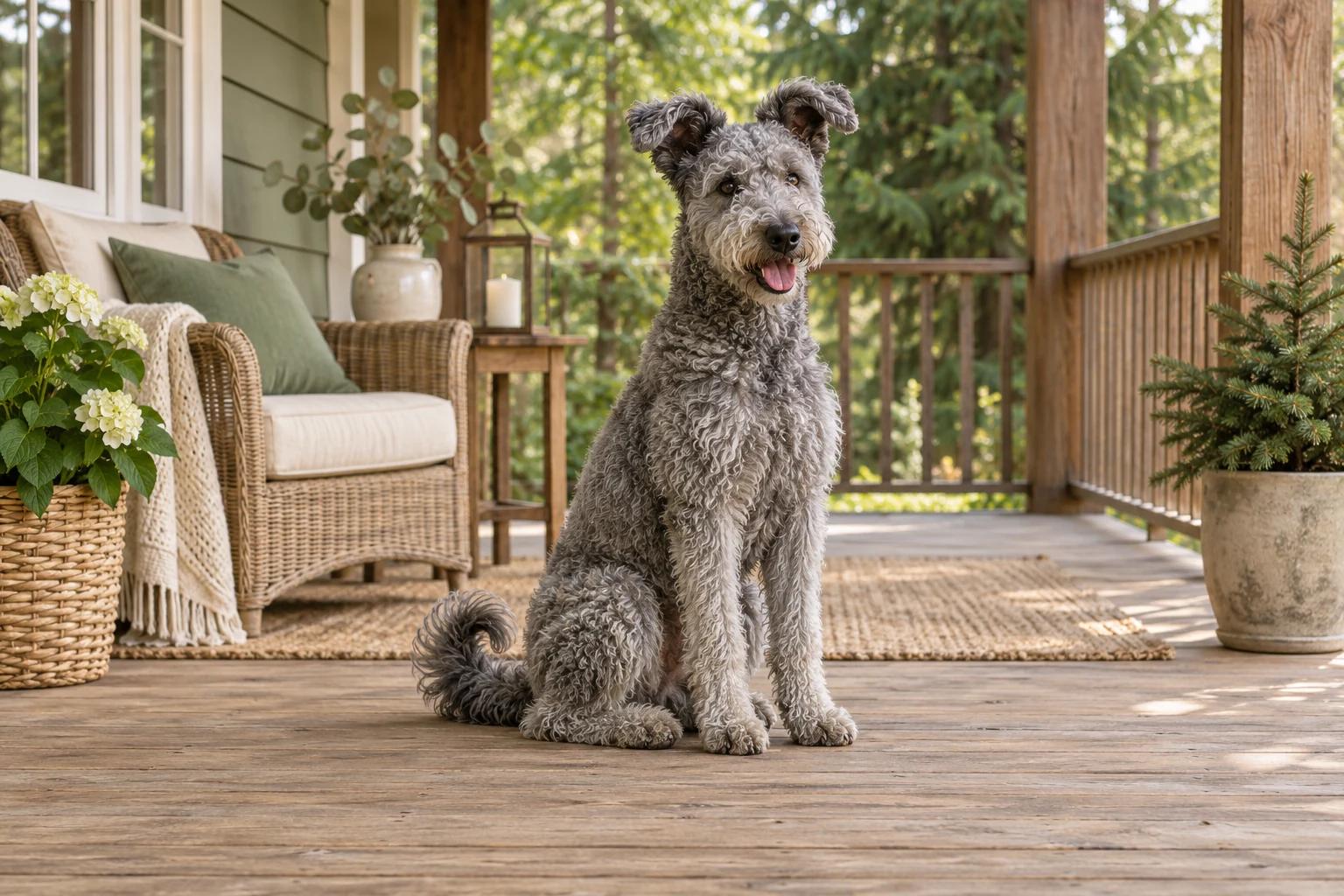
Pumi training works best as a shared project with a clear purpose. You are not simply trying to keep a bright dog busy; you are building the skills that make life together manageable. Decide what matters in your household, choose appropriate instruction and make practice understandable for everyone involved. A lively learner still needs a plan, and a useful plan should survive ordinary busy days.
Pumi training begins with the tasks you actually need
The Hungarian Pumi Club of America describes quick learning and participation in dog sports. Those possibilities can be exciting, but your first goals may be much more ordinary: leaving home smoothly, accepting care and understanding familiar household cues.
Read the Pumi profile and make a short list of situations you encounter daily. Put immediate practical needs ahead of distant ambitions. A class can help, but it is easier to choose the right class when you know what you want help with.
For an adult dog, obtain the existing cue words and ask for a demonstration of established skills. Preserve useful information rather than assuming training begins from zero because the dog is new to you.
Keep the learning plan small enough to follow
The Pumi club's introduction recommends short, varied training sessions. Use that as a reason to plan purposeful practice, not to jump between many unrelated exercises without a clear objective.
Before each lesson, know which task you are working on and what your trainer wants you to observe. Prepare the location and equipment in advance. Time spent searching for an item can turn a simple practice opportunity into an unnecessarily complicated event.
For example, if the task concerns preparing to leave, arrange the lead, shoes and doorway consistently. Ask household members not to introduce their own instructions halfway through. The practical setup is part of making the lesson understandable.
Keep a brief note afterwards. Record what worked and the question you want to ask next. You do not need a detailed training journal if a few factual lines will help you continue the agreed plan.
Choose methods before choosing a course
The ASPCA training position supports humane teaching using rewards and minimal stress. Ask a prospective trainer to explain how they work and what happens when a dog struggles. A clear answer is more valuable than a dramatic promise.
Describe the individual Pumi's experience before enrolling. Mention handling difficulties, unfamiliar environments or concerns around other dogs. Ask whether the class layout and group size suit the starting point, and whether individual instruction would be preferable.
Check what support is available between lessons. If you become unsure about an exercise, you should know how to clarify it rather than repeatedly practising your own guess. A useful instructor teaches the person as well as working with the dog.
Make the appointment workable for yourself. Allow time for travel, preparation and the return home. A course you can attend consistently is more useful than an impressive programme that conflicts with your responsibilities every week.
Make household cues a shared agreement
When learning how to train a Pumi, involve the people who provide care. Agree what each cue means, where it is used and which tasks are priorities. Otherwise the dog may encounter several different versions of the same request.
For a departure routine, one person might expect the dog beside the door while another expects it across the room. Resolve that difference first. Training cannot fix a rule the household has not actually chosen.
Write the essentials where caregivers can find them. Keep the document short enough to use: familiar cues, equipment, relevant restrictions and whom to contact. Separate day-to-day instructions from longer background notes.
If a temporary caregiver cannot maintain a complex exercise, discuss a simpler management arrangement with your trainer. It is better to be honest about the available help than to leave instructions nobody can realistically carry out.
Socialization should fit real life
Pumi socialization deserves a plan based on age, experience and the environments the dog will encounter. Discuss health precautions with your veterinarian and suitable introductions with your trainer. Avoid treating exposure as a challenge to complete regardless of the dog's response.
List the places that matter to you: a vehicle, shared entrance, grooming room, local walking area or another caregiver's home. Ask how to introduce those settings in manageable stages rather than scheduling all of them at once.
Do not assume meeting people requires being touched by everyone. Talk through what a comfortable encounter could look like and what to do if the arrangement needs changing. A useful plan includes a way to leave or pause.
Keep track of what is familiar and what remains new. That information helps anyone handling the dog avoid making assumptions based on its performance in a different place.
Measure progress in useful detail
Pumi obedience is not a single finished status. A dog may understand one task well and need support with another. Record the setting and circumstances when discussing progress instead of giving the whole day a pass-or-fail label.
If an exercise becomes difficult, tell your trainer what changed. Was another person present? Was the location different? Did the routine happen at an unusual time? Specific information makes it easier to identify an appropriate next step.
Ask before increasing several demands together. You may be ready to change one part of the setup while keeping the others familiar. Follow the agreed progression rather than improvising a harder version to see what happens.
Sudden changes in willingness or handling comfort deserve veterinary attention. They should not automatically be treated as disobedience or solved by extending practice.
Keep future hobbies separate from immediate needs
If agility, rally or another activity interests you, investigate suitable instruction and veterinary guidance for physical preparation. You can explore a possibility without promising yourself a particular competition outcome.
Consider the whole outing, including waiting, transport and care before and afterwards. A good experience depends on more than the exercise performed during the class. Ask experienced participants what beginners commonly overlook.
The article on Pumi puppy and adult coat photographs covers a different aspect of the breed. Training goals should follow the actual dog and household, not the image of a polished adult you hope to recreate.
Use the dog match quiz if you are deciding whether regular teaching appeals to you. The commitment is not to perfect performance. It is to a clear, sustainable process in which you understand what you are asking and seek help when you do not.
FAQ
Should a Pumi training session cover many new exercises?
Not necessarily. Keep practice purposeful and follow your trainer's plan. Brief, varied lessons still need a clear objective, appropriate preparation and an understandable next step.
What makes a useful Pumi obedience goal?
Choose a specific task that matters in daily life, such as an organised departure or comfortable handling. Explain the setting and desired result so a trainer can help you build an appropriate plan.
How do I know whether a class is suitable?
Discuss your dog's history, current skills and concerns with the instructor before enrolling. Ask about methods, the group setup and opportunities for individual help rather than choosing by the course title alone.
Sources behind this article
- Hungarian Pumi Club of America: Living with a Pumi ↗
- Hungarian Pumi Club of America: An Introduction to the Pumi ↗
- ASPCA: Position Statement on Training Aids and Methods ↗
Article source checked: November 15, 2026. Source checked 2026-11-15
Keep reading

Affenpinscher Training: Build Useful Everyday Habits
Read article →