Pudelpointer training: useful skills for everyday life
Build Pudelpointer training around clear goals, manageable distractions, recall practice, calm transitions and learning that fits your daily routine.
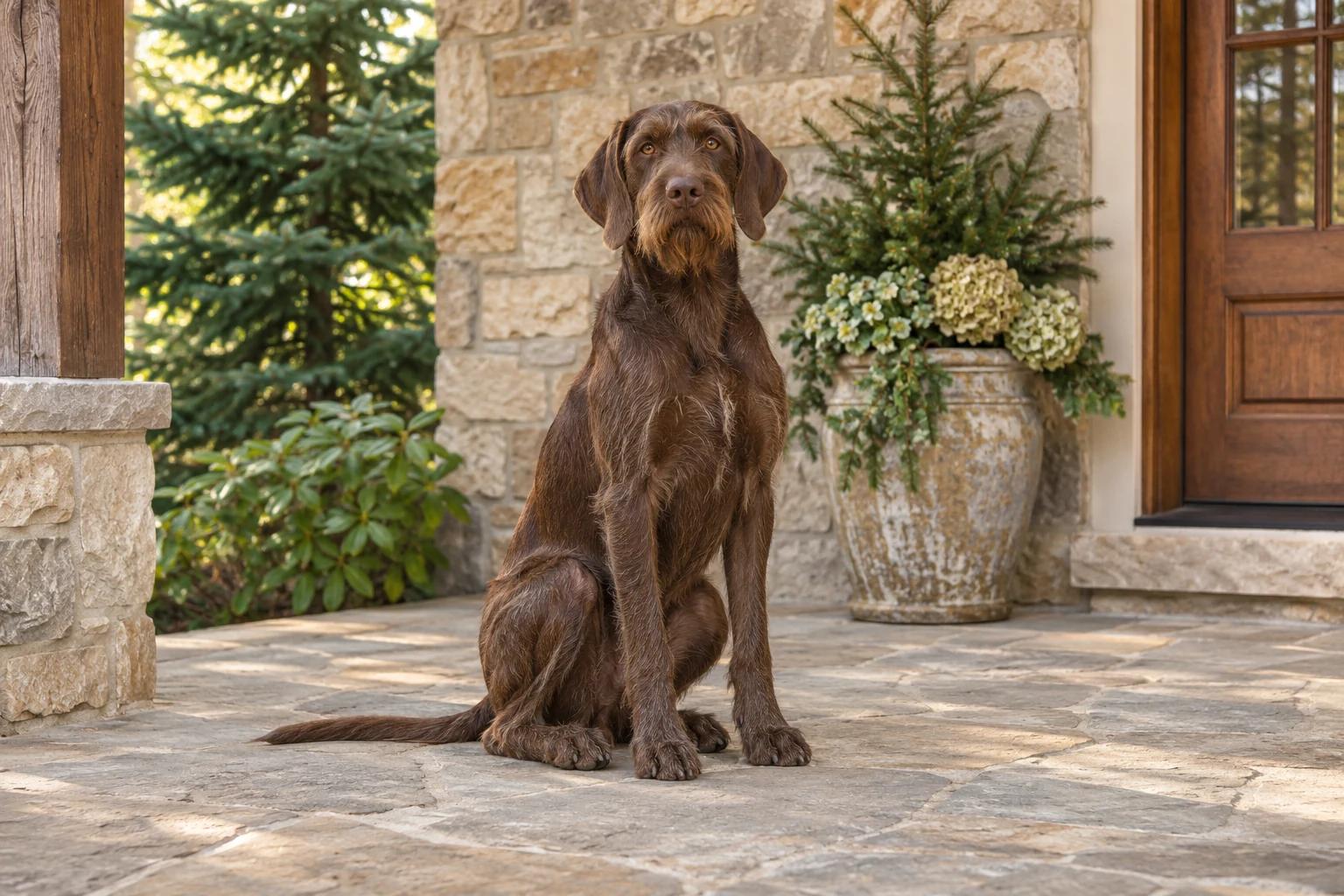
Pudelpointer training works best when you decide what success needs to look like in your own life. You may eventually want specialist activities, but the first priorities are often simpler: moving comfortably on lead, returning when called in suitable settings and settling while people get organised. Start with the tasks you will repeat. A small set of well-practised skills is more useful than a long list of cues that only work in one room.
Pudelpointer training starts with a clear purpose
The FCI standard places the breed in a working context and notes its hunting interest. That background makes preparation for outdoor distractions relevant, but it does not supply a ready-made training programme. Build yours around the individual dog's experience and your actual goals.
The ASPCA's training position supports reward-led methods that avoid unnecessary distress. Choose instruction consistent with that approach. Ask a trainer how they will help you progress and what they do when a dog struggles.
Write three everyday goals before buying specialist equipment. For example, you may need a manageable departure from home, a reliable response in a secure practice area and a comfortable wait beside your chair. Describe observable actions rather than aiming for a vaguely perfect dog.
The Pudelpointer profile gives useful ownership context. Keep the lessons connected to that daily life. Training should help you share it more comfortably, not become a separate performance that disappears once class ends.
Make the first lesson easy to recognise
Choose a quiet place and remove competing activity before beginning. Decide what single action you are practising and what will mark the end of the session. This preparation helps you avoid changing the goal halfway through because something else catches your attention.
For a simple check-in, begin when the dog is already near enough to notice you. Recognise the moment it turns toward you and provide the chosen reward. Keep the setup easy enough that you can observe what worked rather than repeatedly trying to retrieve lost attention.
If progress stops, examine the task. Have you added distance, noise or another person? Did you move to a new location? Reduce the difficulty and ask your instructor for help instead of repeating the same cue more loudly.
Learning how to train a Pudelpointer includes learning to notice your own timing and expectations. Keep a short note after practice: the location, the task and the next small step. That record is more useful than judging the session simply good or bad.
Keep recall practice separate from risky tests
Practise returning to you in secure, appropriate settings before depending on it elsewhere. Ask your instructor about suitable equipment and how to introduce new distractions. Do not use an open area beside traffic as a way to discover whether the skill is established.
Choose moments when success is realistic. Calling repeatedly while the dog is absorbed in something far beyond its current preparation makes it difficult to understand what you are measuring. Arrange an easier situation and build from there.
When practising with another person, agree on the plan before starting. Decide who calls, where each person stands and how the session ends. Avoid having several people call at once or turning the exercise into a race between competing instructions.
Progress should be specific. A dog returning in a quiet garden has demonstrated that skill in a quiet garden. It has not demonstrated the same response around wildlife, unfamiliar dogs or a busy access point. Keep those distinctions clear when deciding where freedom is appropriate.
Teach the journey as well as the destination
Pudelpointer obedience becomes especially useful during transitions. Practise preparing a lead, moving through an exit and waiting while a vehicle is made ready. These tasks may happen several times a day, so they deserve deliberate teaching.
Break a complicated departure into smaller parts. You could first practise remaining comfortably near the door while equipment is handled, without immediately going out. Later, work on the next stage with guidance appropriate to your setup.
Do not demand a perfect departure only when you are already late. Set aside practice time when you can stop, simplify or begin again calmly. Once the routine is more familiar, household members should follow the same sequence.
Check whether the environment supports the goal. Bags, loose leads and several people moving at once can complicate a simple task. Organising the space may be as useful as adding another cue.
Make social learning about manageable experience
Pudelpointer socialization should not mean meeting as many people or dogs as possible. Think about the environments the dog will need to navigate and arrange appropriate experiences with professional guidance. Ask your veterinarian about relevant health precautions for a puppy.
A quiet observation from a comfortable distance may be a more useful beginning than a crowded greeting. Let the dog have space and avoid turning uncertainty into a requirement to approach. The aim is practical comfort, not a record number of encounters.
Introduce one meaningful change at a time where possible. A new surface, new place and several unfamiliar dogs together create a different challenge from a single change in a familiar setting. Keep notes so you can see what the dog has actually experienced.
If an interaction is not going well, end or adjust it rather than insisting it must continue because you planned it. Seek help for persistent difficulty. A flexible plan serves learning better than a rigid checklist of exposures.
Include care and quiet waiting
Training is not finished when outdoor skills look promising. The dog also needs opportunities to learn about brushing, equipment checks and waiting during ordinary household tasks. Ask its caregiver what is already familiar and continue from that starting point.
Prepare care equipment before inviting the dog into the area. Keep the first steps manageable, and consult a qualified professional for techniques you have not learned. Do not turn a necessary appointment into the first time the dog encounters every part of the process.
Quiet waiting can be practised around your real routine. Choose a resting place where the dog is not constantly disturbed, and work on a manageable period while you sit nearby. Avoid immediately adding a full meal, visitors and household traffic to the same lesson.
If discomfort or a sudden change interferes with handling, contact your veterinarian. Training is not a substitute for investigating a possible physical problem. Separate the care question from the question of what the dog has been taught.
Choose specialist help thoughtfully
If your plans include field work or a sport, find an instructor who can explain suitable foundations and progression. Observe how lessons are organised and ask how household goals will remain part of the programme. Specialist ambition should not displace ordinary manageability.
The article on foundation breeds and pedigree explains a different question: documented background. An established identity does not tell you which skills an individual has learned. Ask for a clear training history instead of filling gaps with assumptions.
Review your goals periodically. The dog match quiz can help prospective owners assess the commitment, while an existing owner may simply need a realistic diary. Keep the lessons you can practise consistently and get help with the ones that remain difficult.
FAQ
Does working ability replace household training?
No. Everyday routines still need teaching. Decide which skills matter in your home and practise them in manageable settings before expecting them during busy or unfamiliar situations.
When is a recall ready for a harder location?
Discuss progression with your instructor and assess performance in the specific conditions involved. Success in one secure place is not proof of reliability around every distraction. Use appropriate management while the skill develops.
What should I record after a lesson?
Note the task, location, distractions and what the dog managed comfortably. Add one practical next step. This gives you and your instructor clearer information than a general judgement about whether the dog behaved well.
Sources behind this article
Article source checked: November 15, 2026. Source checked 2026-11-15
Keep reading

Affenpinscher Training: Build Useful Everyday Habits
Read article →