Pomchi Training: Small Skills for Everyday Life
Teach practical Pomchi skills with clear rewards, toilet routines, handling practice, gradual socialization, and consistent household cues.
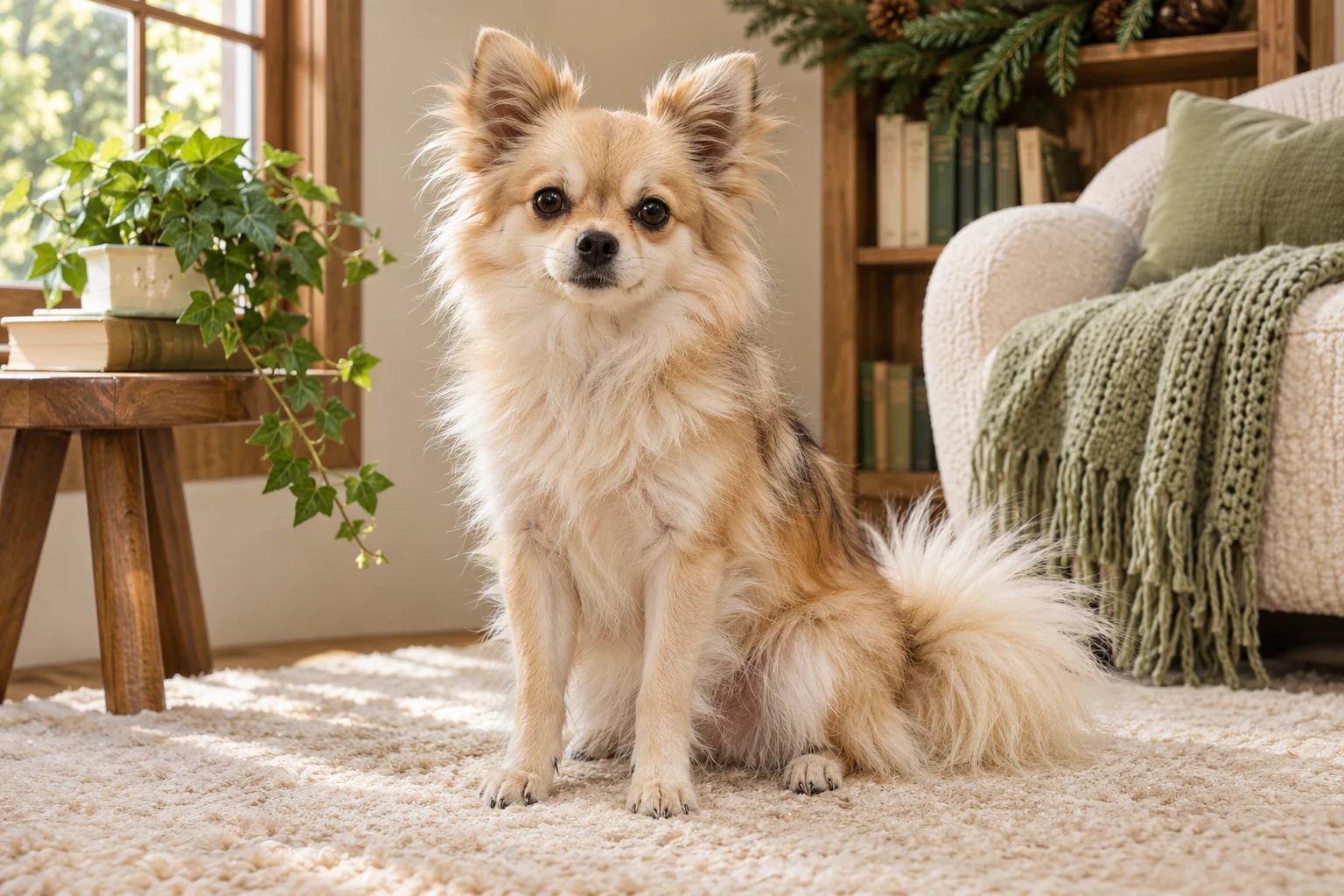
Pomchi training should make ordinary life easier for both you and your dog. Start with coming when called indoors, comfortable equipment handling, a clear toilet routine, and a place to settle. A small dog still benefits from understandable instructions and room to make choices. Carrying it away from every situation may solve the immediate problem without teaching the skill you need next time.
Pomchi training starts with the individual
Pomchi describes Pomeranian and Chihuahua ancestry, not a single training personality. VCA recommends reward-based teaching in its accounts of both parent breeds. Use that as a starting principle, then watch how your own dog responds rather than assuming it has inherited a particular parent's learning style. (VCA Chihuahua, VCA Pomeranian)
The Pomchi profile provides context, but your first useful document is a list of what the dog already knows. Ask the current caregiver for the words, hand signals, toilet location, and handling routines they use. You can decide what to change later; understanding the existing routine comes first.
Teach a response to the name before asking for more
Choose a quiet space where the dog can stand comfortably. Say its name once, then reward a small turn toward you. Keep the exchange easy and stop while you can still give clear feedback. The first goal is attention in that setting, not instant obedience everywhere.
Next, try from a slightly different position in the same room. Do not add distance, visitors, and an open door at once. When the dog succeeds, you know which part of the task it has understood. When it struggles, return to the easier version rather than repeating the name more loudly.
Agree with everyone in the household on how the name is used. If one person uses it as a recall cue and another repeats it while scolding, the lesson becomes less clear. Consistency is a practical arrangement between people, not something the dog must create for you.
Make coming closer a useful home skill
For an easy indoor recall practice, start nearby and invite the dog toward you. Reward arrival where you want it to finish, not several steps away while you reach over and scoop it up. A comfortable approach is the task; being grabbed need not be the automatic ending.
Practice in places where you can manage the surroundings. A hallway with a secure door is different from an open communal entrance. Keep outdoor safety measures in place while building skills; a successful kitchen response is not evidence that recall will work beside traffic.
How to train a Pomchi becomes a simpler question when you choose a precise outcome. “Come to the mat beside my chair” is teachable. “Be good while I work” leaves too much unstated. Start with the small action you can recognize and reward.
Give toilet training a consistent route
VCA notes that housetraining can require patience in both parent breeds. That is a reason to plan the environment carefully, not to assume that accidents are inevitable for every Pomchi.
Choose the intended toilet location and make sure every caregiver knows it. Write down the route, the surface, and what equipment is needed. In an apartment, include the time needed to reach the lift or stairs rather than planning as though the outside door opens directly into a garden.
Keep a simple record of successes and accidents so you can discuss the routine accurately. Clean up calmly and adjust supervision and access; punishment does not explain where you wanted the dog to go. If the pattern changes suddenly or you suspect a health issue, contact your veterinarian.
When someone else provides care, give them the actual routine rather than saying the dog is house-trained. A short note on the door or in the handover message is often more useful than expecting them to guess your usual timing.
Introduce equipment without a wrestling match
Put the harness and lead where you can prepare them before calling the dog. Let the dog investigate the equipment in a calm setting and build toward brief, comfortable handling. Ask an experienced professional to help if you are unsure about fit or how to put it on without struggling.
Work at a suitable level on a stable surface. Avoid creating a lesson that depends on balancing a tiny dog high above the floor. Have the reward ready so you do not need to hold the dog awkwardly while searching a pocket.
Separate practice from departure when possible. If the only harness lesson happens when you are already late, the dog and person have little chance to learn an easier sequence. A calm rehearsal at home can be useful even when no walk follows.
Socialization is not a greeting quota
Pomchi socialization should help the individual become comfortable with ordinary surroundings. VCA's parent-breed guidance highlights early social experience; this does not mean forcing close contact with everyone you meet.
Choose a location where you can observe at a comfortable distance and leave easily. A person passing across the street may be an appropriate first experience; a crowd leaning over the dog is a different task. Ask your veterinarian about suitable outings for a puppy's health and vaccination circumstances.
Keep notes on what the dog experienced, not simply how many people it met. “Watched a bicycle from the quiet side of the park” is more informative than “did socialization.” If the experience is too difficult, make the next version easier instead of increasing exposure to prove a point.
Make quiet participation part of obedience
Pomchi obedience is not only a sit or a trick. It can include waiting on a mat while someone opens a cupboard, returning attention after a sound, or remaining comfortable while a familiar person moves around the room.
Choose one situation that matters to your home and practice a simple version. For example, start with a mat away from the entrance before expecting the dog to settle during a delivery. Do not use visitors as surprise training equipment or demand that the dog tolerate close approaches.
If barking or distress is difficult to manage, seek a qualified reward-based trainer's help. Sudden behavior changes or concerns about discomfort need veterinary attention. The separate Pomchi movement guide covers one reason to discuss physical observations rather than labeling every difficulty a training problem.
FAQ
What should I teach a Pomchi first?
Begin with a response to its name, an easy indoor recall, and the routines needed for toilets, equipment, and rest. Prioritize what your household actually uses. Build one clear step before introducing a harder setting.
Does a small dog need formal training classes?
A suitable reward-based class or individual trainer can help you develop skills and timing. Ask how the setup accommodates small dogs and whether space can be adjusted. The right learning environment matters more than attending the busiest class.
What if different family members use different cues?
Write a short shared cue list with the action each word means. Agree on the same starting steps and rewards. Consistent human instructions make practice easier to understand and help caregivers recognize progress.
How can I decide whether this routine fits my life?
List who will handle daily practice, toilet access, outings, and care when plans change. The dog match quiz can organize those commitments before you choose a dog, but the individual routine should guide your final decision.
Sources behind this article
Article source checked: November 15, 2026. Source checked 2026-11-15
Keep reading

Affenpinscher Training: Build Useful Everyday Habits
Read article →