Pixiebob Cat Size: Reference Weights and Everyday Fit
Understand Pixiebob cat size, narrative weight references and equipment fit without turning a breed description into a feeding target.
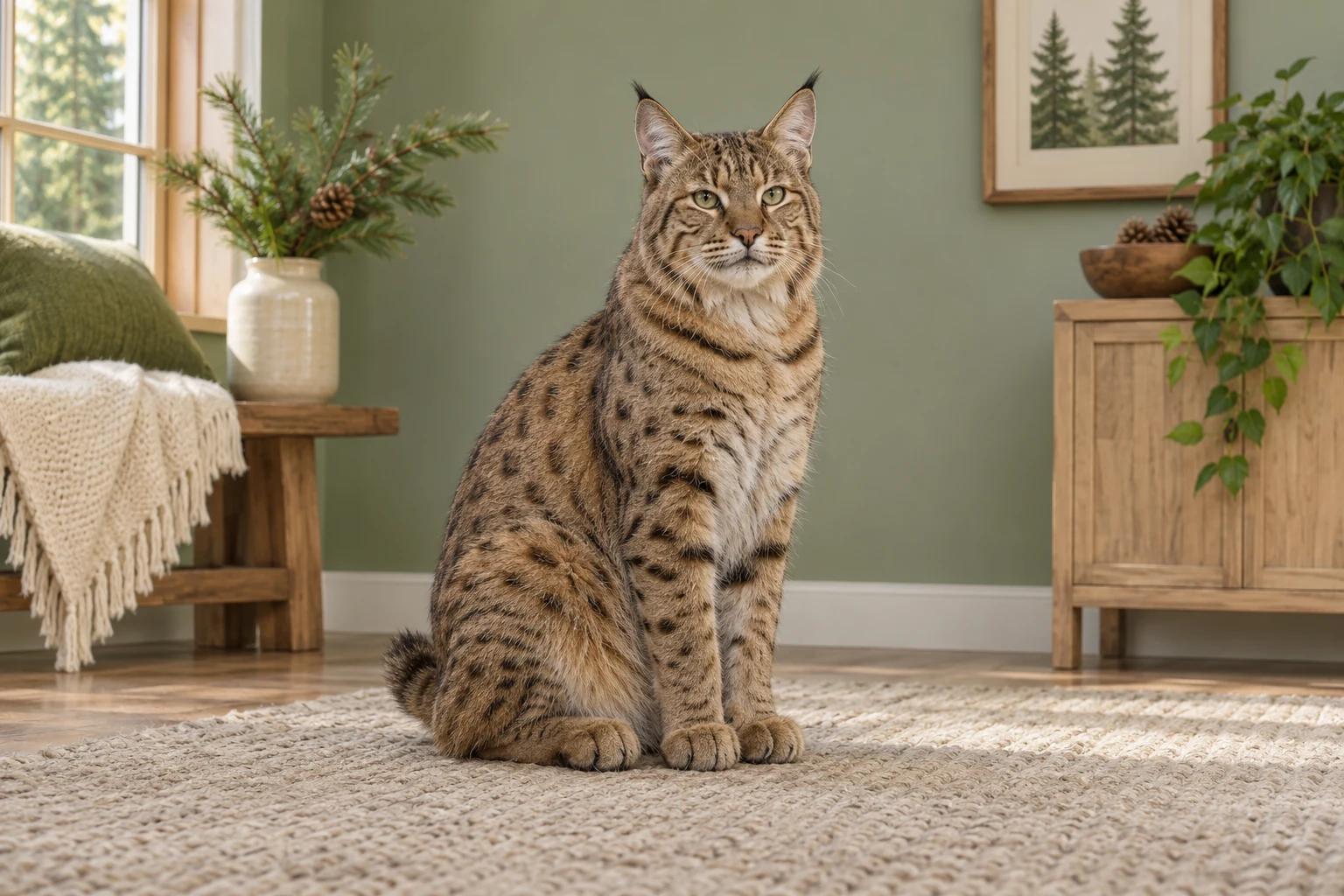
Pixiebob cat size is described by the current site as medium to large, with reference weights of 8–12 pounds for females and 12–17 pounds for males. Those figures come from TICA's narrative account; its summary weight fields are blank. Keeping that distinction visible matters because an empty field should not be filled with an invented estimate or treated as proof that the breed has no published description.
This article explains pixiebob cat weight in context and connects size with practical equipment choices. It does not provide a numerical height chart, a growth promise or feeding instructions based on a breed average.
Pixiebob cat size: read the complete account
The Pixiebob profile preserves the narrative weight references and their scope. TICA also describes a muscular domestic cat with short and long coat varieties. A heavier-looking coat and a substantial body can affect the impression in a photograph, but they are not interchangeable measurements.
Ask about the individual animal's age, current weight if known and veterinary history. An adult reference cannot tell you a kitten's eventual result. It also cannot establish whether an animal at either edge of the interval is in appropriate body condition.
When discussing a number, keep its source and date attached. A remembered weight from a different stage of life is not directly comparable with a recent veterinary measurement. Context helps you ask useful questions without turning a general description into an individual target.
Trace a weight back to the narrative
Use two separate entries in a source note: “summary female/male fields: blank” and “body narrative: females 8–12 lb, males 12–17 lb.” Attach the narrative source rather than representing the missing fields as completed data. Keep the actual cat’s dated measurement on a different line. This makes the evidence usable without confusing an incomplete page layout with an absence of documented information. It also makes a later correction traceable if the publisher changes either section.
What about Pixiebob cat height?
The reviewed material supports a body-type description and narrative weights, not a verified shoulder-height interval for this article. We therefore do not add a precise-looking height figure. Measurements to the ear tips, shoulder or end of the body would answer different questions.
If you need to assess an opening or piece of furniture, start with the problem you want to solve. Does the cat have room to turn? Is the entrance awkward? Can it access a resting place comfortably? A breed height chart would not answer all of those questions even if one were available.
Do not repeatedly hold a reluctant cat in position for measurement. Use existing records where appropriate and ask for professional assistance if handling or mobility makes fit assessment difficult. The aim is a comfortable arrangement, not a complete set of measurements for comparison online.
A short tail does not make a small carrier suitable
The Pixiebob's short tail can change its outline, but the torso and posture still need usable space. Check the inside dimensions and opening of a carrier, not only the product's advertised weight limit. A container can be rated for the load while remaining awkward for the particular cat.
Ask what carrier the animal already uses and whether there are established travel concerns. If a replacement is needed, consider how it opens for access, how it is secured and how the person carrying it can manage the combined weight. Follow the manufacturer's instructions rather than improvising an attachment.
Where practical, allow investigation at home before a necessary journey. Briefly getting a cat through an entrance does not prove a good fit. Observe comfortable use without forcing the animal to tolerate an unsuitable interior just to complete a test.
Support the whole cat when choosing furniture
A substantial breed description makes stability important, but even a smaller individual needs correctly installed equipment. Check load ratings and instructions for raised beds, scratching structures and shelves. Consider the possibility that another animal may join the cat on the same surface.
Look at usable resting area as well as the advertised overall dimensions. A narrow platform may offer little support when the cat stretches out. A comfortable route to the surface also matters; athletic reputation is not a substitute for watching this individual's movement.
Keep essentials accessible without a demanding jump. If a familiar route becomes difficult or the cat stops using a favorite place, seek veterinary advice rather than assuming it has simply outgrown the equipment. You can review the room while still leaving the cause of changed movement for appropriate assessment.
Weight and body condition are separate assessments
Cornell's feeding guidance recommends veterinary help with an individual's appropriate weight and diet. A published interval cannot replace that advice. Do not increase portions because you want a kitten to reach the larger end of the reference, or restrict food simply because a cat appears heavier than an online example.
Bring dated records and relevant changes to the veterinary discussion. Explain whether appetite, activity or other behavior has changed. Avoid concluding that a concern is harmless merely because the current number lies inside the published range.
When several people share feeding, use one agreed plan. A clear record of instructions is more useful than each person trying to keep the animal looking like a different photograph. This article does not calculate calories, recommend supplements or set a weight-loss schedule.
Size is only one part of preparation
People asking “how big do pixiebob cats get?” may be deciding what supplies to buy. Alongside fit, ask about grooming, play and ordinary handling. A long-coated individual and one with extra toes may need care discussions that a weight category alone cannot capture.
The existing Pixiebob identification and contact-record guide helps organize a different part of preparation. Keep those records useful and current, while also recording familiar equipment and any professional advice about care. Neither a pedigree label nor a supply list establishes that all practical needs have been addressed.
Use the cat quiz to organize broader preferences, then meet the actual animal and ask questions. A workable home is built around that cat's body, movement and routine, with room to adjust as its needs change.
Frequently asked questions
What adult weights does the site use?
The current narrative references are 8–12 pounds for females and 12–17 pounds for males. They describe groups rather than predicting or prescribing an individual's weight.
Why mention blank summary fields?
TICA's narrative and summary have different completeness. The site uses the documented narrative figures rather than inventing values for blank fields.
How tall is a Pixiebob?
This article does not establish a verified shoulder-height range. Its reviewed sources support body type and weight descriptions without justifying a numerical height chart.
Should feeding aim for the upper end of the range?
No. Discuss individual body condition and nutrition with your veterinarian. A larger reference number is not a growth objective or a sign of a better cat.
Sources behind this article
Article source checked: November 20, 2026. Source checked 2026-11-20
Keep reading
Pixiebob Cat Personality: An Involved Companion, Not a Stereotype
Read article →