Pharaoh Hound Training: Skills for Everyday Life
Build a practical Pharaoh Hound training plan for attention, doors, recall practice, handling, and gradual social experiences.
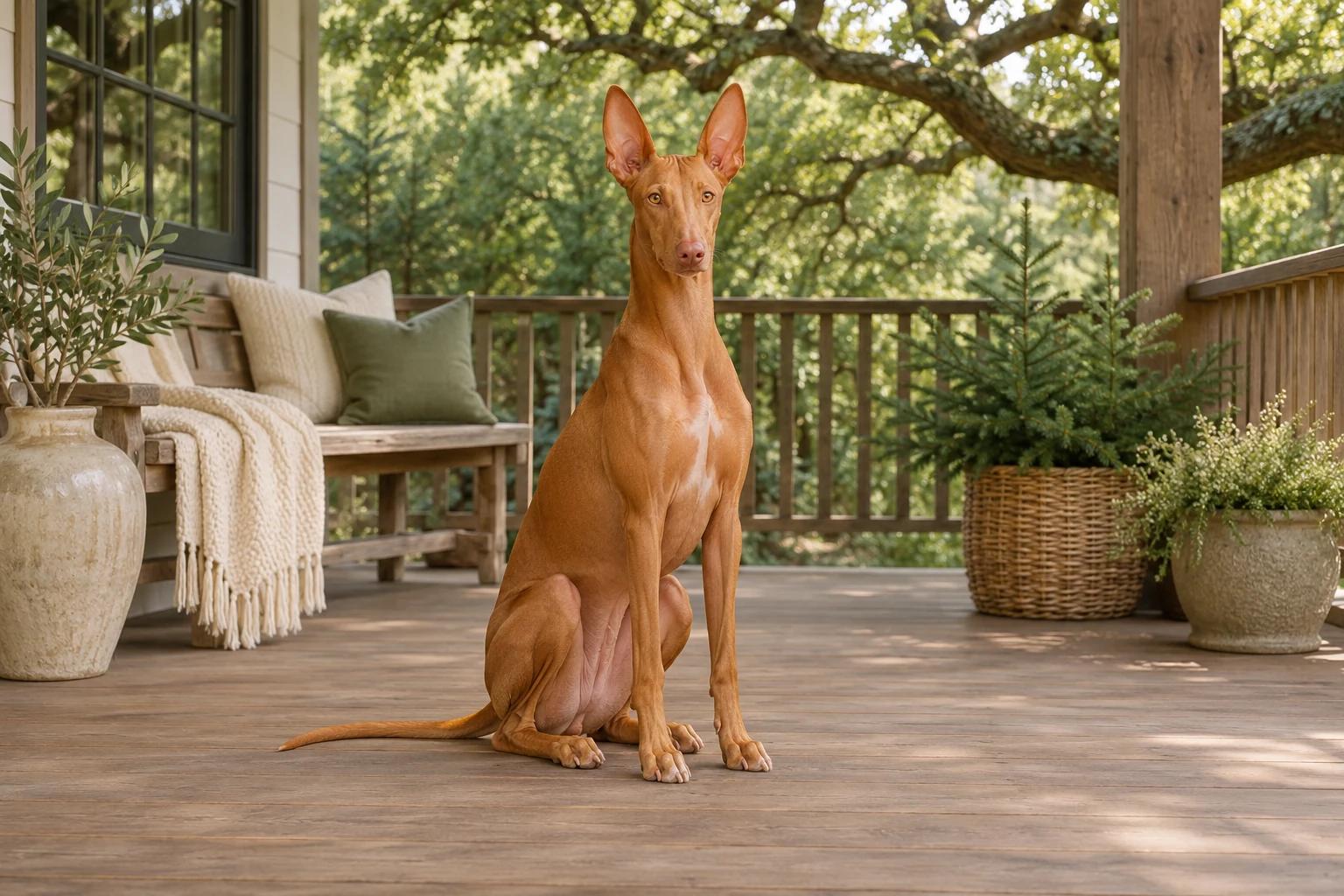
Pharaoh Hound training works best when you decide what daily life should look like before choosing tricks to teach. Coming through a gate, turning away from a distraction, and standing comfortably for a brief check can matter more than a long sequence of formal positions. Begin with a few useful behaviors, make the setting manageable, and keep a record of what the dog actually understands.
The Pharaoh Hound breed profile provides broader ownership context. This guide focuses on building a workable learning routine rather than promising a particular level of performance.
Pharaoh Hound training begins with the setting
VCA highlights patient, rewarding, creative teaching for this breed. Dogs NSW identifies the importance of secure containment around the Pharaoh Hound's hunting interests. Together, those points support an approach that separates learning from preventable opportunities to disappear after something interesting. VCA and Dogs NSW
Before a lesson, choose a place where you can give the dog your attention. Put away competing toys, close the relevant doors, and prepare rewards before asking for anything. A first attempt in a quiet room is not a lesser achievement than an attempt beside a busy footpath. It is a clearer way to find out what you have taught.
Write the goal in observable terms. Instead of “be more obedient,” try “turn toward me when I say the name in the kitchen.” That wording lets you notice progress without guessing whether the dog is being cooperative enough.
Start with a small shared vocabulary
Choose a marker, such as a short word, to identify a successful response, then follow it with a reward. Keep your delivery consistent. Household members should know which word requests a behavior and which word marks that the dog has done it.
Try a simple attention exercise when the dog is already nearby. Say the name once, mark a glance toward you, and reward. If the surroundings win the dog's attention, reduce the difficulty rather than repeating the name louder. Your notes might record that the kitchen worked, the hallway was manageable, and the front garden was not yet suitable.
When considering how to train a Pharaoh Hound, resist building a huge list of cues immediately. A dependable handful makes the day easier and gives you a foundation for later activities. Add a new behavior when you can explain its purpose and practise it without rushing.
Turn the practice into a household habit
Keep a small container of appropriate rewards where adults can reach it safely, away from the dog. Place a reminder beside the leash: which skill are you practising on this outing? Preparation prevents the common problem of remembering to train only after something has gone wrong.
Teach the doorway separately from the walk
A door opening is a complicated moment: equipment appears, people move, and the outside becomes visible. Break it into smaller rehearsals. Practise standing at a closed door, touching the handle, and opening it slightly while the dog remains safely managed. Reward the behavior you want at the easiest stage before adding the next change.
Use a barrier or another suitable containment arrangement while practising. Do not test the lesson by leaving an escape route available. The goal is a repeatable departure routine, not proof that management is no longer needed.
Give visitors a clear instruction too. For example, ask them to wait while you move the dog behind an interior barrier before opening the entrance fully. Training works better when the environment does not undermine it every time a parcel arrives.
Recall practice without an unsafe examination
Choose a recall cue and begin across a short indoor distance. Make arrival worthwhile, then sometimes release the dog back to the previous activity. Record where the response works so you do not mistake success in one room for success everywhere.
Move to an appropriate enclosed area only when the earlier setup is familiar. A qualified reward-based trainer can help you select equipment and manage increasing distractions. Do not use a road, wildlife area, or unfenced field as the place to discover whether the lesson has transferred.
Pharaoh Hound obedience should not be judged by whether you can remove every safeguard. A useful recall is still worth teaching when the dog remains securely managed. It helps with ordinary transitions, calling the dog across a room, and ending a supervised game.
Make social experiences small enough to understand
Pharaoh Hound socialization is not a contest to collect the most greetings. Make a list of situations the dog will encounter: people carrying bags, a veterinary waiting area, traffic at a distance, or someone entering the house. Then introduce manageable versions rather than putting every challenge into one outing.
Choose places with room to step away. Let the dog observe without requiring contact, and leave before the outing becomes a struggle. Note what happened in concrete terms: the dog could eat a reward, look back at you, or move away comfortably. Those observations help you plan the next experience.
For a puppy, ask your veterinarian how to arrange suitable experiences alongside the puppy's healthcare schedule. For an adult with a difficult history or persistent fear, seek individual professional guidance rather than attempting to solve the problem through repeated exposure.
Include handling and a finish signal
Practise the tiny actions involved in care without always completing the whole task. Show a brush, reward calm interest, and put it away. Later, introduce a brief touch. Separate handling practice from occasions when you are in a hurry to finish grooming.
A training session also needs an ending. Put equipment away, offer an ordinary transition into rest, and stop asking for extra repetitions. This makes the session a recognizable part of the day rather than a stream of unpredictable demands.
If progress stalls, change one variable at a time. Shorten the distance, simplify the surroundings, or choose a different reward. A log with the setting, task, response, and next adjustment can be more useful than a label such as stubborn. Sudden or concerning behavioral changes belong in a conversation with your veterinarian.
Choose the next lesson deliberately
Review your notes once a week and pick the behavior that would most improve daily life. You may need easier car entry more than a new trick. Ask a trainer for help with the actual sticking point and bring examples of successful as well as unsuccessful attempts.
The dog match quiz can help prospective owners assess their appetite for everyday teaching. For background outside this training topic, see the Pharaoh Hound's Malta and naming article.
FAQ
How do I begin Pharaoh Hound training at home?
Choose one useful behavior and practise it in a quiet, securely managed space. Prepare rewards, use a consistent cue, and record what happens. Begin with an easy version rather than testing the dog against the hardest distraction in your daily routine.
Should I repeat a cue when my dog ignores it?
Repeated words can make it difficult to see what the dog understands. Pause and simplify the situation instead. Check whether the dog knows the cue in that location, can attend to you, and finds the available reward worthwhile.
What if training works indoors but not outside?
Treat the outdoor setting as a new learning stage. Reduce distance and distractions, maintain suitable management, and rebuild the behavior gradually. A qualified reward-based trainer can help arrange the transition without turning a practice session into an unsafe test.
Sources behind this article
Article source checked: November 15, 2026. Source checked 2026-11-15
Keep reading

Affenpinscher Training: Build Useful Everyday Habits
Read article →