Noisy breathing in an Exotic Shorthair: when to seek veterinary advice
Know when breathing changes in an Exotic Shorthair need urgent veterinary contact, and what to report without dismissing noise as normal for the breed.
Put breathing difficulty ahead of note-taking
If your Exotic Shorthair is struggling to breathe, breathing through an open mouth or has collapsed, contact your vet or emergency veterinary service immediately. PDSA identifies these as signs requiring prompt help. Do not wait to finish reading, record a video or see whether the noise settles. Keep the cat calm while you follow the veterinary team’s instructions.
When you call, say first that you are concerned about breathing and describe what is happening now. Ask for guidance on safe transport and where to go. Do not give a human medicine, try steam treatment or force food or water. A home observation checklist cannot establish that a cat with breathing difficulty is safe to monitor.
Do not turn a breed description into reassurance
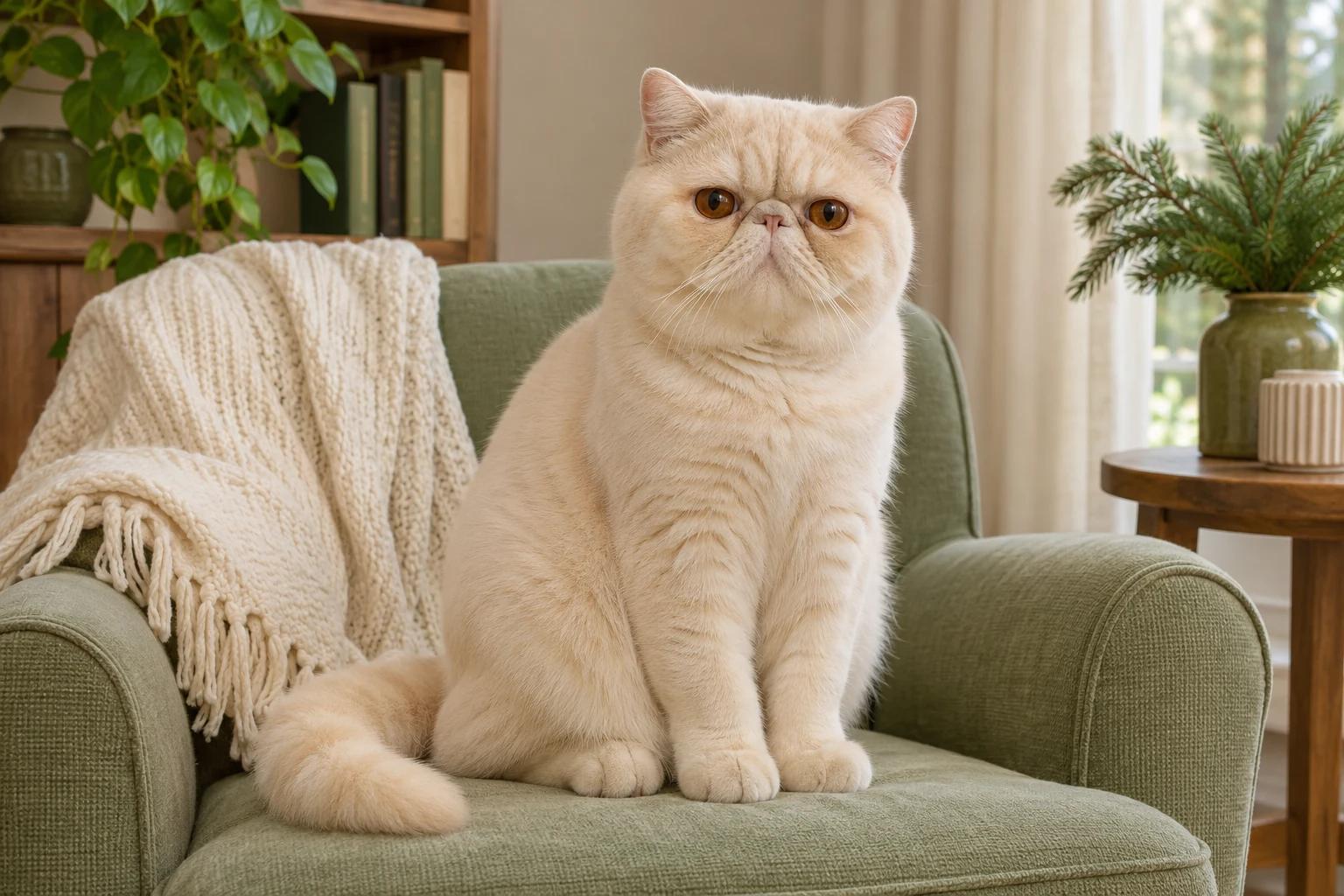
CFA describes the Exotic’s short-nosed appearance, and Cats Protection discusses breathing welfare concerns in flat-faced cats. Snorting or snoring should therefore prompt a care conversation, not a shrug that all Exotics sound like that. The way an individual looks cannot tell you how freely it breathes or identify the cause of a new sound.
Even if a noise has been present for some time, tell your vet about it. Explain whether it occurs during sleep, ordinary movement or another situation, without reproducing the activity to demonstrate it. Do not exercise the cat to find its limit. A familiar sound and a stable-looking routine are not substitutes for an individual assessment.
Describe mild changes clearly and seek assessment
PDSA recommends a veterinary appointment for mild breathing symptoms even when the cat is not visibly struggling. Call for advice about timing if breathing has become noisier or otherwise changed. Mention accompanying changes you have noticed, but do not use their absence to decide the concern is harmless.
If the cat is comfortable and the team asks for more information, give a plain account of onset and circumstances. A recording already obtained without disturbing the cat may help, but it is optional and should not delay care. Keep any existing treatment instructions available. A sound cannot be reliably classified at home as a particular airway, heart or respiratory condition.
Leave with a plan for this individual
After assessment, ask which changes require an immediate call, what activity or environmental advice applies and when the team wants to review the cat. Write those instructions down for other caregivers. If you remain uncertain about what you are seeing, contact the practice again rather than replacing its plan with a generic online threshold.
The purpose of noticing noisy breathing is to obtain appropriate help, not to assign a diagnosis or decide that a breed-associated trait is acceptable. Keep emergency contact details easy to find. For an Exotic Shorthair owner, the practical rule is to take breathing concerns seriously, seek assessment and follow the advice given for the cat in front of you.
Sources behind this article
Article source checked: October 22, 2026. Source checked 2026-10-22
Keep reading
Persian eye care: what to notice before reaching for a wipe
Read article →