Parson Russell Terrier Training: Everyday Skills
Teach useful Parson Russell Terrier training skills with clear rewards, secure management and practical plans for distractions and introductions.
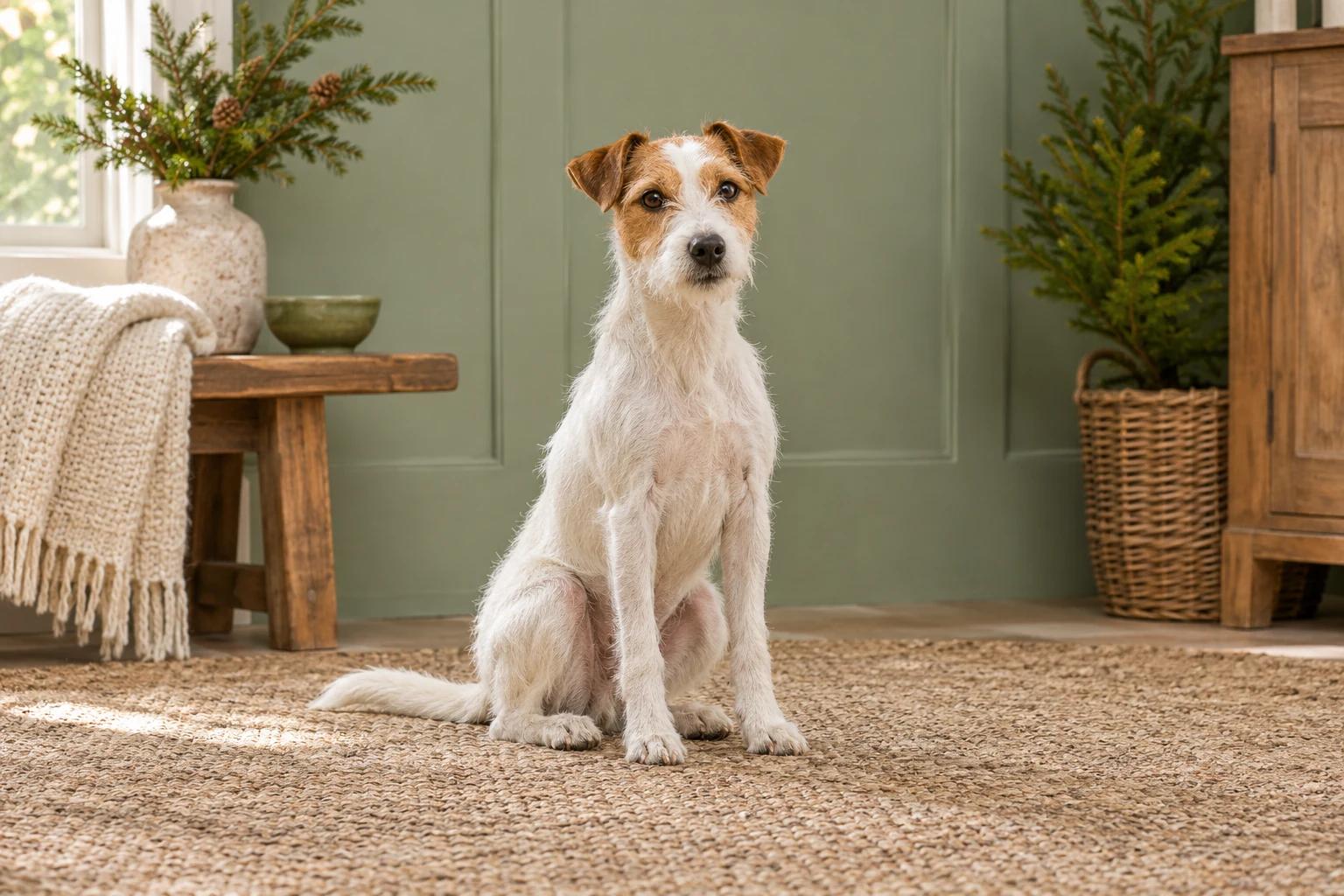
Parson Russell Terrier training works best when you give the dog a clear job before the surroundings offer a more exciting one. A passing squirrel, an open gate or a toy in someone else's hand can compete strongly for attention. Your task is to make learning understandable and to manage situations the dog is not yet ready to handle.
Begin with skills you will actually use: turning toward you, following a change of direction, releasing an object and pausing while a door is managed. A neat performance in the kitchen is a starting point, not proof that the lesson is finished.
Parson Russell Terrier training needs a practical goal
VCA describes the breed as driven and intelligent, with a strong interest in chasing and a need for consistent, engaging training. The parent club also describes independence in the breed's working background. Neither description means you need to be harsher. It means you should notice what the dog is trying to do and teach a useful alternative in a manageable setting.
For example, “stop being difficult on walks” is too broad to teach. “Turn toward me when I say this cue on a quiet path” gives you an observable behavior. Break the larger problem into pieces you can practice before confronting the hardest version.
Write down one goal for the week and the setting in which you will work on it. Keep the starting version modest. Progress is easier to recognize when you are not changing the cue, location and reward every time.
The Parson Russell Terrier profile gives the wider care context. Training sits alongside activity and company; it cannot replace them or be reduced to a single class night.
Make turning back worthwhile
If you are wondering how to train a Parson Russell Terrier around distractions, start where the dog can still notice you. Practice a simple turn with very little happening nearby. Say the chosen cue, move a small distance in the new direction and reward the dog for joining you.
Keep your movement easy to follow. Do not use the lead to jerk the dog around. If the dog is already straining toward something, create distance and simplify the situation rather than repeating the cue more loudly.
Add ordinary distractions gradually. A helper standing still is a different challenge from a moving dog or a running child. Change one feature at a time so you can see what made the exercise harder.
Use this skill as an exit, not a confrontation. Turning away early can preserve a calm walk. You do not need to stay beside a distraction to prove that the dog can withstand it.
Build recall without gambling on it
Practice coming toward you in a secure, easy space. Begin at a short distance when the dog is likely to succeed, reward arrival and avoid immediately making every recall end something enjoyable.
A useful home exercise is to alternate short calls between familiar adults in a clear room or secure garden. Keep the distance small and the rewards ready. Stop before people become repetitive background noise and the dog starts inventing a different game.
Outside, choose secure management appropriate to the location. A long line requires attention to surrounding people, obstacles and the dog's movement; ask a trainer to demonstrate safe handling if it is unfamiliar. Do not wrap a moving line around your hand or use it casually in a crowded space.
A successful recall in one setting does not erase the attraction of wildlife elsewhere. Protect the dog and other animals by preventing opportunities to chase while skills develop. Some situations may continue to require a lead regardless of how much practice you have done.
Teach an exchange instead of starting a chase
A dog carrying an object can easily draw the whole household into a pursuit. Plan the lesson before the object is something valuable or dangerous. Use an appropriate toy, offer a worthwhile exchange and reward releasing it.
Return the toy sometimes when it is safe to do so. You want approaching a person to remain a useful choice, not always a prediction of loss. Keep unsuitable objects out of reach so practice is not constantly interrupted by an emergency.
If the dog guards objects, stiffens, growls or makes you concerned about approaching, stop treating the situation as a routine obedience drill. Seek qualified help. Do not grab, corner or punish the dog for communicating discomfort.
For Parson Russell Terrier obedience, management and teaching should support one another. Putting shoes behind a door while you teach an exchange is sensible preparation, not an admission that training has failed.
Socialization is not unrestricted contact
Parson Russell Terrier socialization should include calmly noticing the world as well as participating in it. A dog can learn something useful by watching a person pass without being required to greet them.
Choose space and an easy exit. If you are introducing a young puppy to new places, discuss appropriate exposure with your veterinarian. Keep experiences manageable and leave before the dog is overwhelmed rather than waiting for a dramatic reaction.
For other household animals, use a careful, individual plan and physical separation when needed. A breed description or one peaceful meeting does not establish that unsupervised contact is appropriate. Do not use chasing to test whether the dog is “only playing.”
If classes are part of your plan, observe one first. Ask how the trainer handles a dog that cannot concentrate, how much space is available and whether you can work at a greater distance. A suitable class should have options besides pushing closer to the busiest group.
Make rest a recognizable part of the routine
Training an active terrier does not mean offering endless work. End sessions clearly, put equipment away and provide a quiet place to settle. Notice calm choices without turning every moment into another exciting reward sequence.
Ask everyone in the household to respect the end of a session. A dog resting after practice should not immediately be recruited into a second game by someone entering the room. Consistency includes knowing when the day becomes quieter.
Review progress with concrete examples. “Turned away from a stationary bicycle” is a meaningful note; “still stubborn” is not a teaching plan. If progress stalls, change the setup or seek a reward-based trainer's help rather than escalating pressure.
The working-shape article explains a separate aspect of the breed. Physical type is not a training method. Use the dog match quiz to consider whether this hands-on daily involvement is something you would enjoy.
FAQs
Are Parson Russell Terriers stubborn to train?
They may be strongly interested in activities other than the one you have chosen. Use clear goals, suitable rewards and easier starting conditions instead of treating disagreement as a reason for force. Ask for professional help when the situation is difficult to manage.
What is the most useful first outdoor skill?
A practiced turn toward you can help you create space before a distraction becomes overwhelming. Teach it in a quiet setting first. It does not replace a lead or other secure management around roads, wildlife and unfamiliar dogs.
Will recall training stop a Parson Russell Terrier chasing?
Recall training is valuable, but it does not guarantee a response in every setting. Prevent uncontrolled chasing and choose secure exercise arrangements. Keep managing situations that exceed the dog's demonstrated skills.
Can I train a Parson Russell Terrier myself?
You can teach many foundations at home with reward-based methods and clear routines. A qualified trainer can help with mechanics, distractions and difficult behavior. Seek help promptly for guarding, aggression or fear rather than trying increasingly forceful methods.
Sources behind this article
- VCA Animal Hospitals: Parson Russell Terrier ↗
- Parson Russell Terrier Association of America: Breed History and Standard ↗
Article source checked: November 15, 2026. Source checked 2026-11-15
Keep reading

Affenpinscher Training: Build Useful Everyday Habits
Read article →